Trade
American Liqueurs
77 Products
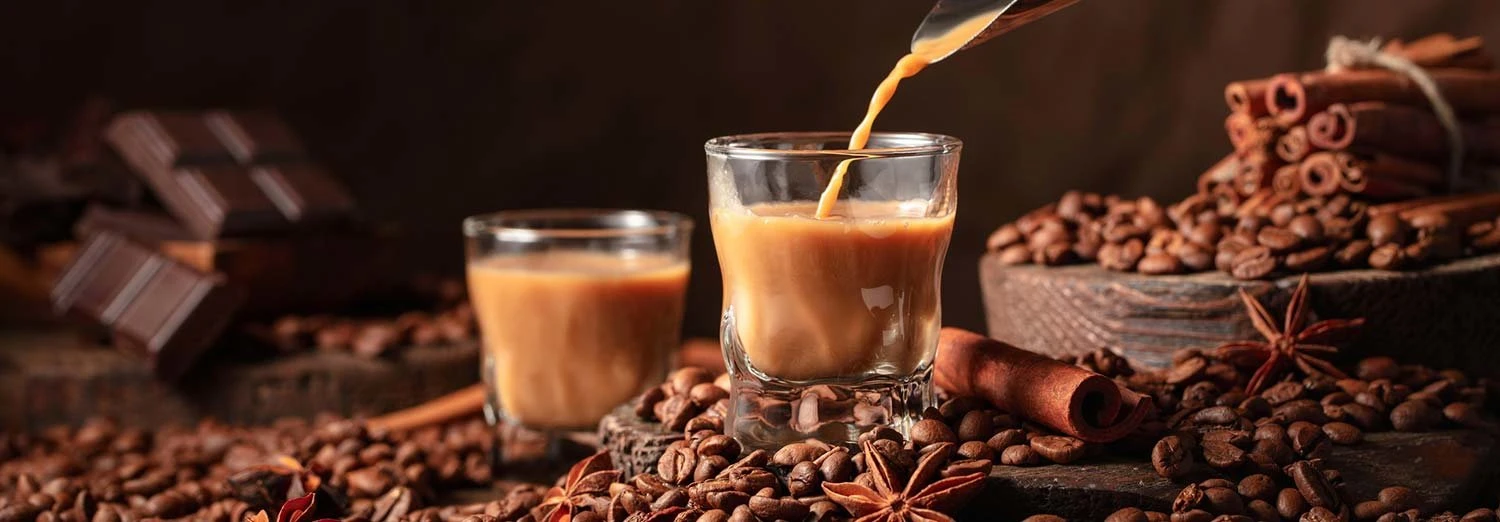
American liqueurs, characterised by their variety and innovation, embody a sweet, often spirited dimension of the country’s diverse drink culture. Despite being less storied than the bourbons or ryes, American liqueurs showcase creativity and a knack for embracing local ingredients. Here’s a detailed look at the lively world of liqueurs from the United States, exploring their history, notable
Read moreShow:



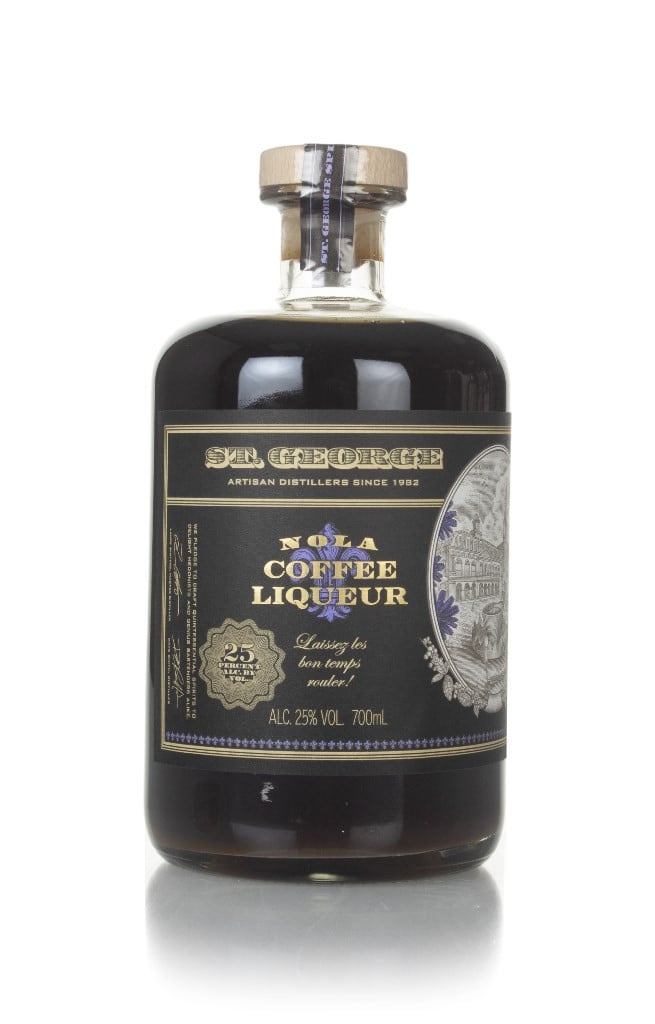
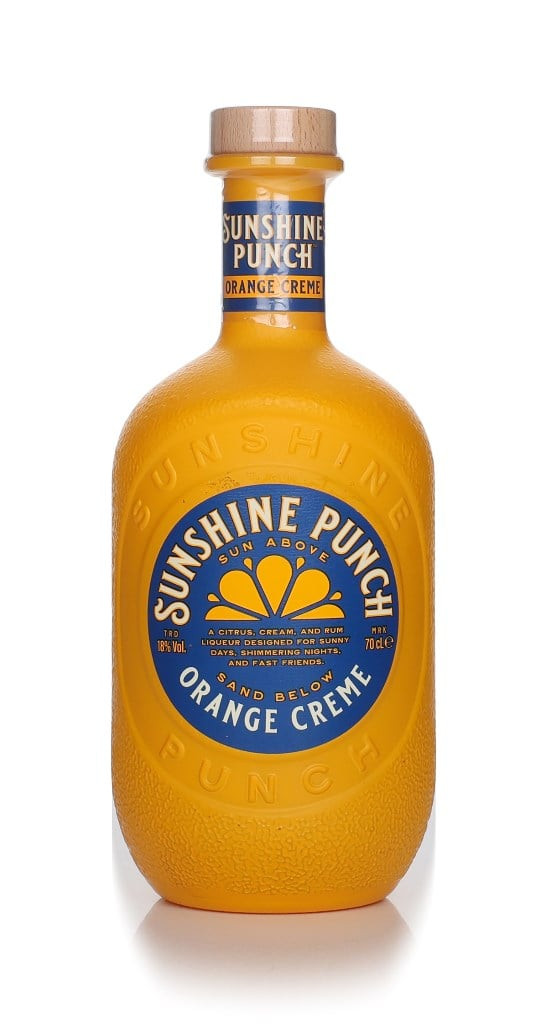
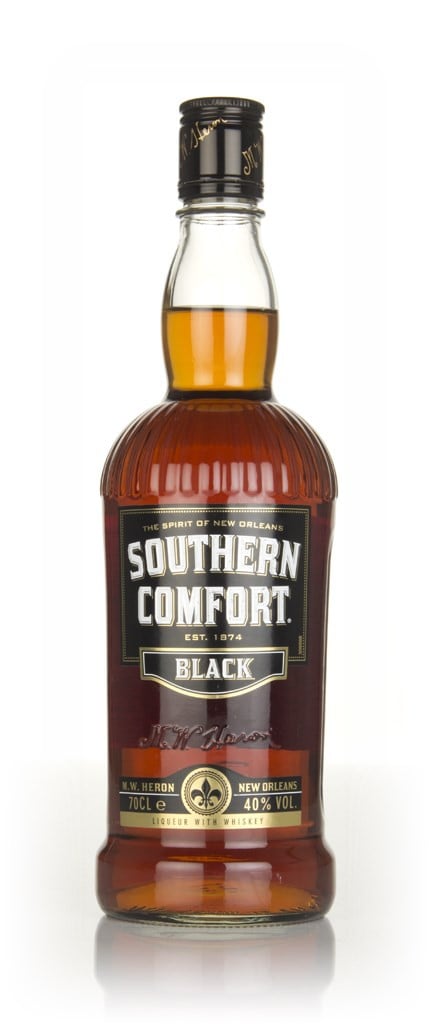
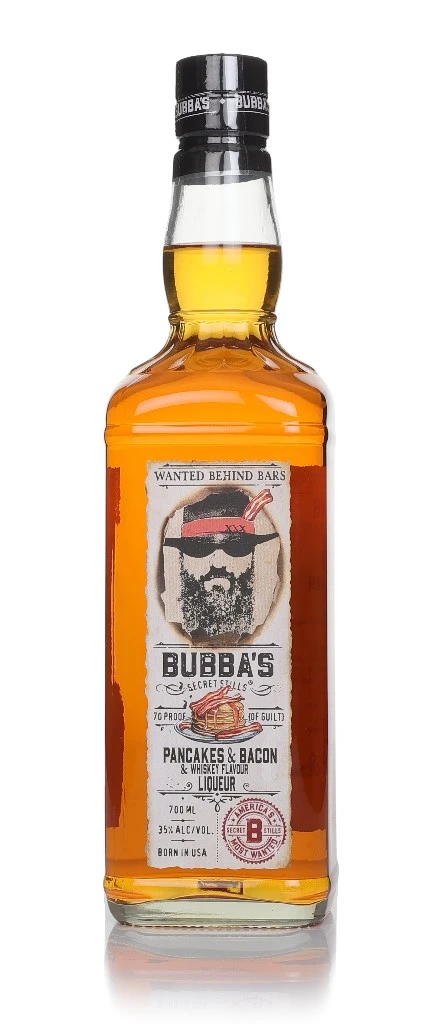


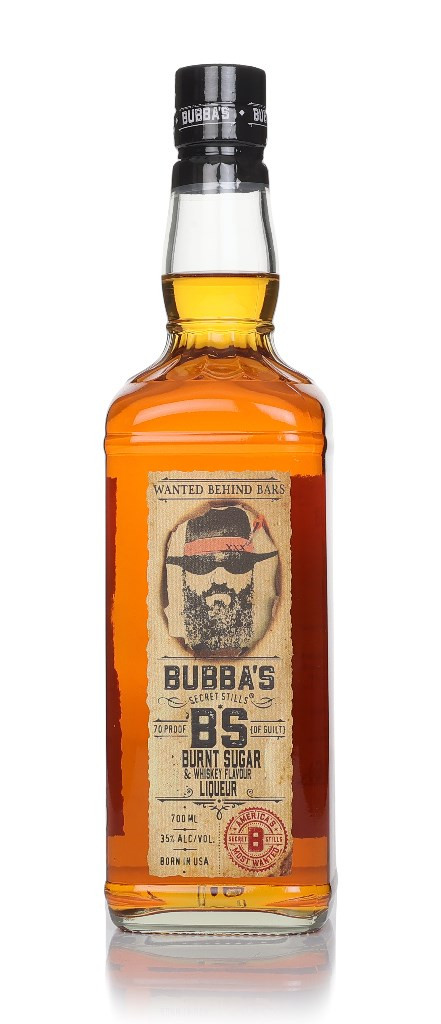

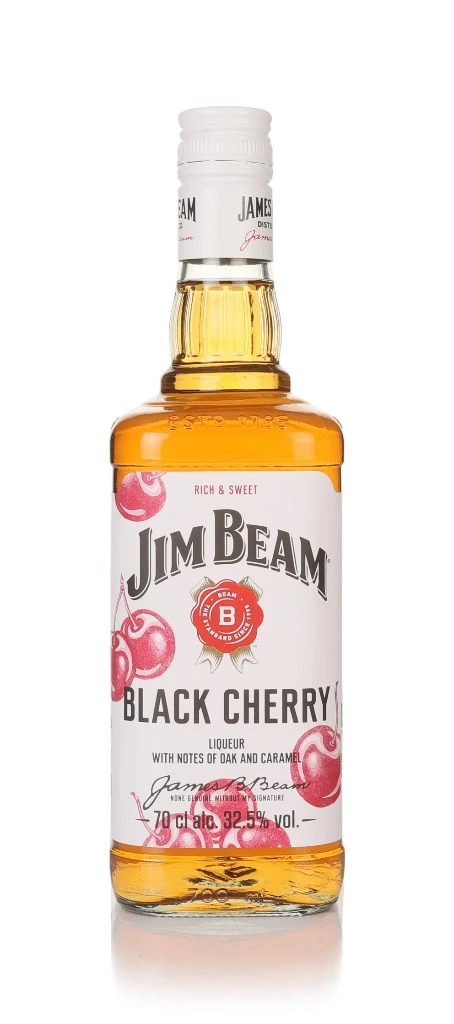
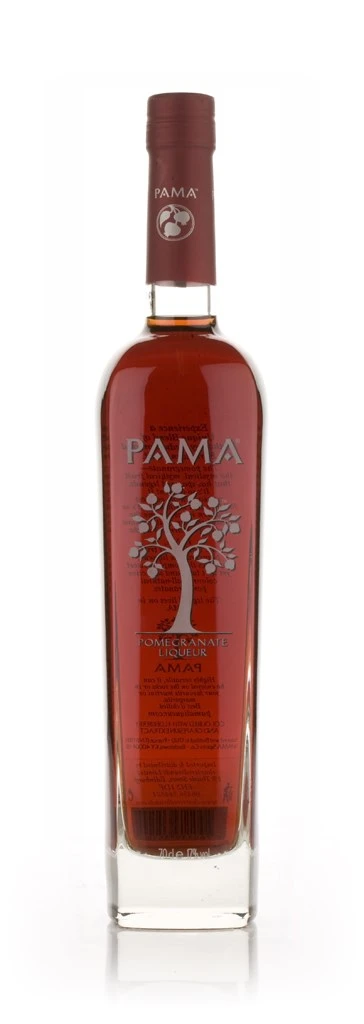


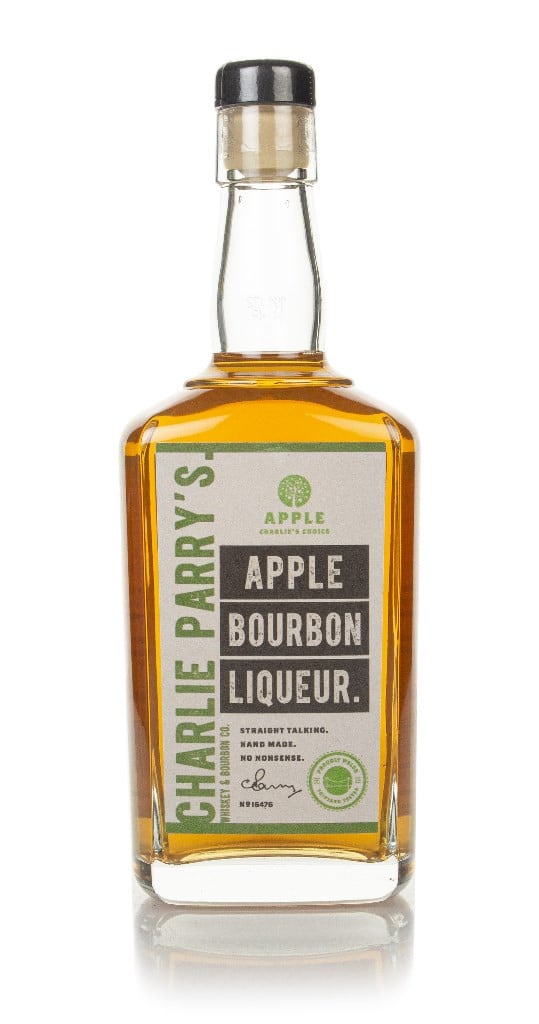
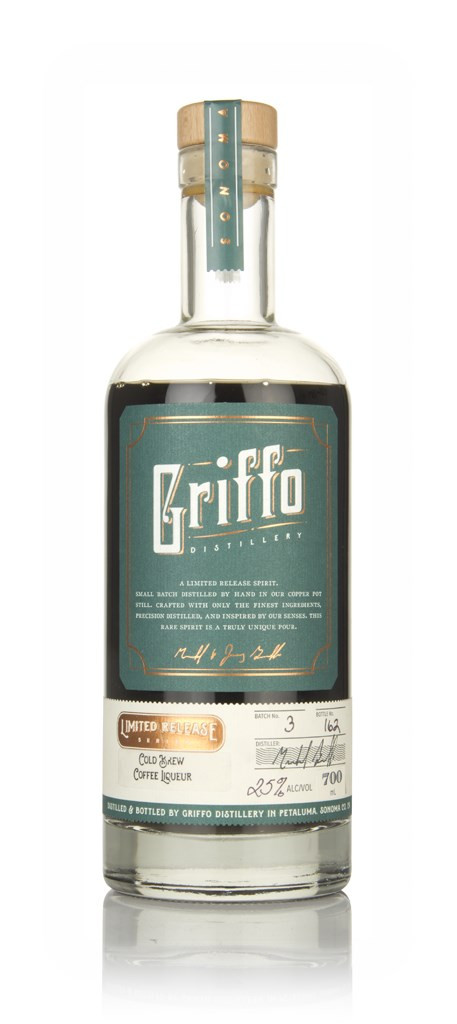

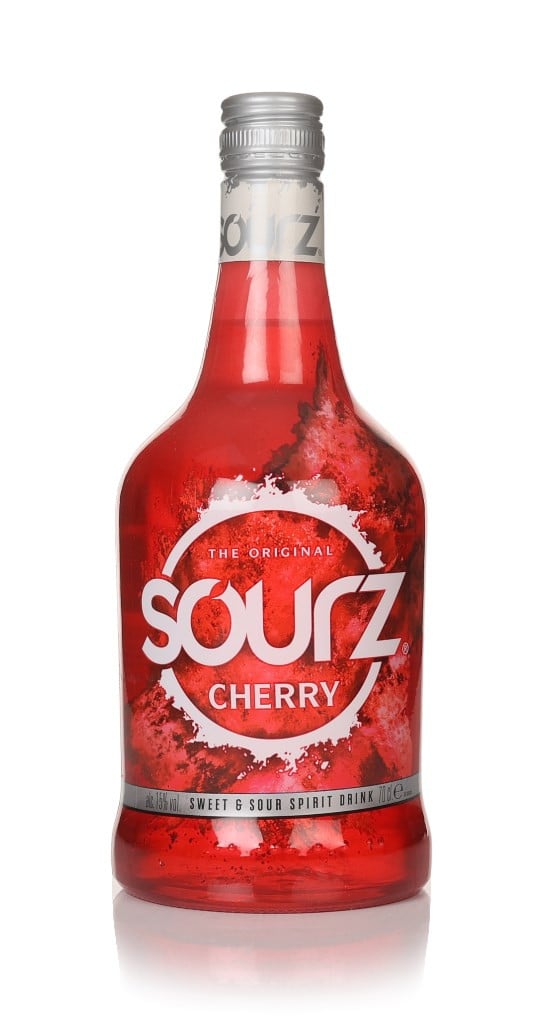
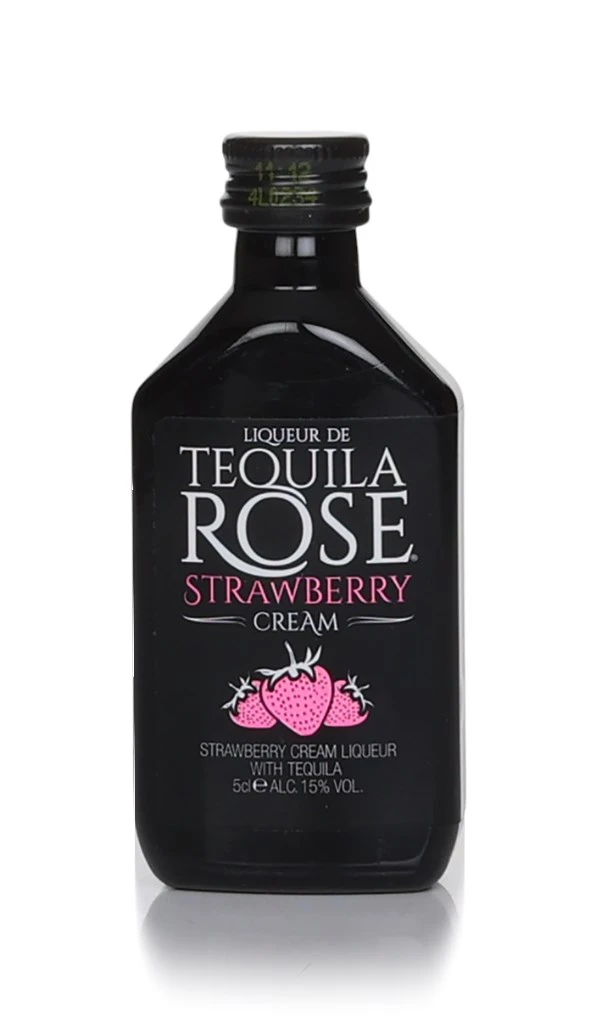
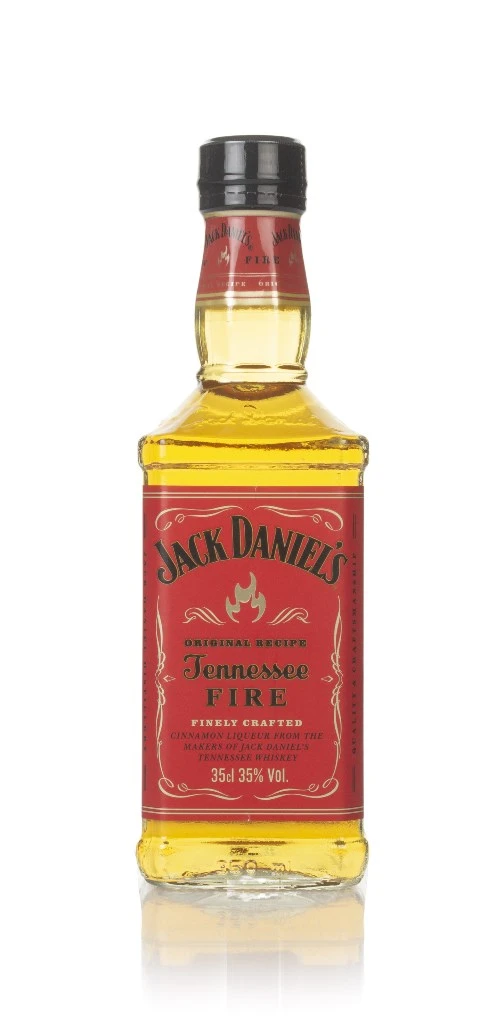
American Liqueurs
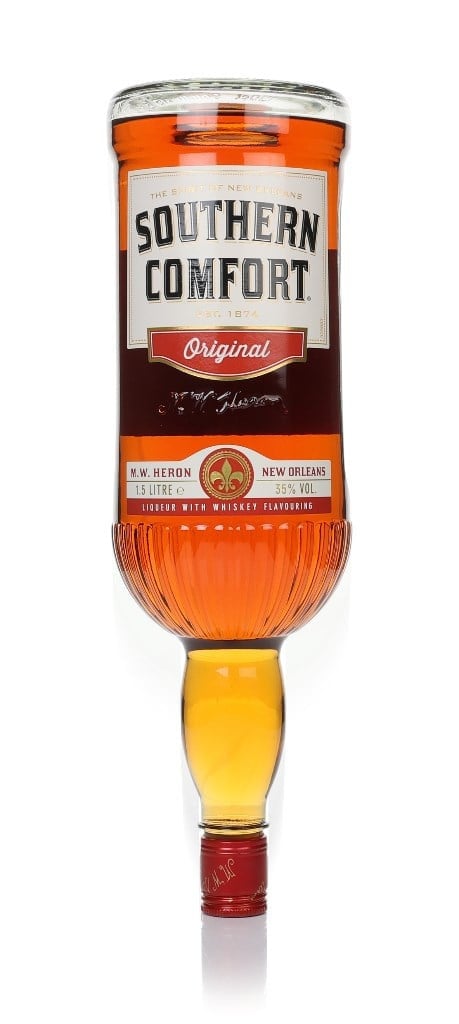
American liqueurs, characterised by their variety and innovation, embody a sweet, often spirited dimension of the country’s diverse drink culture. Despite being less storied than the bourbons or ryes, American liqueurs showcase creativity and a knack for embracing local ingredients. Here’s a detailed look at the lively world of liqueurs from the United States, exploring their history, notable expressions, and usage.
History
The journey of American liqueurs spans centuries, integrating native resources with global influences. Early settlers in America sought to replicate European liqueurs, utilising the abundant local herbs, fruits, and botanicals. From the sweet and fruity to the bitter and herbal, these liqueurs rapidly found a home in the burgeoning cocktail culture, becoming pivotal in the crafting of iconic drinks.
Fruits and Nuts
The use of locally sourced fruits like blueberries, cherries, and oranges has defined many American liqueurs, bringing a burst of freshness and authenticity. Similarly, nuts like pecans and almonds have been utilised to create rich, nutty expressions.
Herbs and Botanicals
Herbaceous liqueurs, such as absinthe and amaro, often leverage a medley of herbs, roots, and botanicals, creating complex profiles suitable for sipping or blending into cocktails.
Cream and Dairy
Cream liqueurs, often amalgamating dairy with spirits like whiskey, rum, or brandy, offer a lush, velvety experience.
The Art of Craft Liqueurs
The craft movement in American spirits has also permeated liqueur production. Small-batch producers prioritise local ingredients, traditional methods, and innovative expressions, reshaping the American liqueur scene. They are not only reviving forgotten recipes but also introducing avant-garde liqueurs that celebrate regional flavours.
American liqueurs navigate a regulatory environment that dictates their production, labelling, and distribution. The Alcohol and Tobacco Tax and Trade Bureau (TTB) stipulates that liqueurs (referred to as cordials and liqueurs in legal terms) must possess a minimum sugar content, though the required percentage can vary.
Liqueurs in Culinary Use
Besides beverages, American liqueurs have permeated culinary arts, finding their way into desserts, marinades, and sauces, enriching the flavour profiles and adding a spirited touch to various dishes.
Challenges and Sustainability
The liqueur industry also faces challenges in sustainability and environmental impact, particularly concerning ingredient sourcing and packaging. Forward-thinking producers are incorporating sustainable practices, like utilising organic ingredients, adopting eco-friendly packaging, and minimising waste, ensuring that the production is as palatable for the environment as the liqueurs are for the consumers.Embarking on an exploration of American liqueurs reveals a fascinating narrative of creativity, tradition, and innovation. Their sweet, often nuanced profiles make them not only delightful to sip but also versatile in an array of applications, from classic cocktails to culinary creations. As we glimpse into the future, the American liqueur landscape appears bound for further exploration and reinvention, offering exciting prospects for enthusiasts and producers alike.