Trade
Trade

Peat is frequently used as a catch-all term for smoke in whisky, but this ancient, muddy fuel is more complicated than that.
One peated whisky can taste of a distant bonfire, another of smoked meat, and another like somebody has set fire to a crate of TCP beside the sea. All are described as peaty. Clearly, there is more going on here than smoke + barley = Laphroaig.
So, how is peated whisky made? Where does peat come from? What does PPM actually tell us? And why can Islay peat, Orkney peat and mainland peat produce such different flavours?
Let’s get bogged down in it.
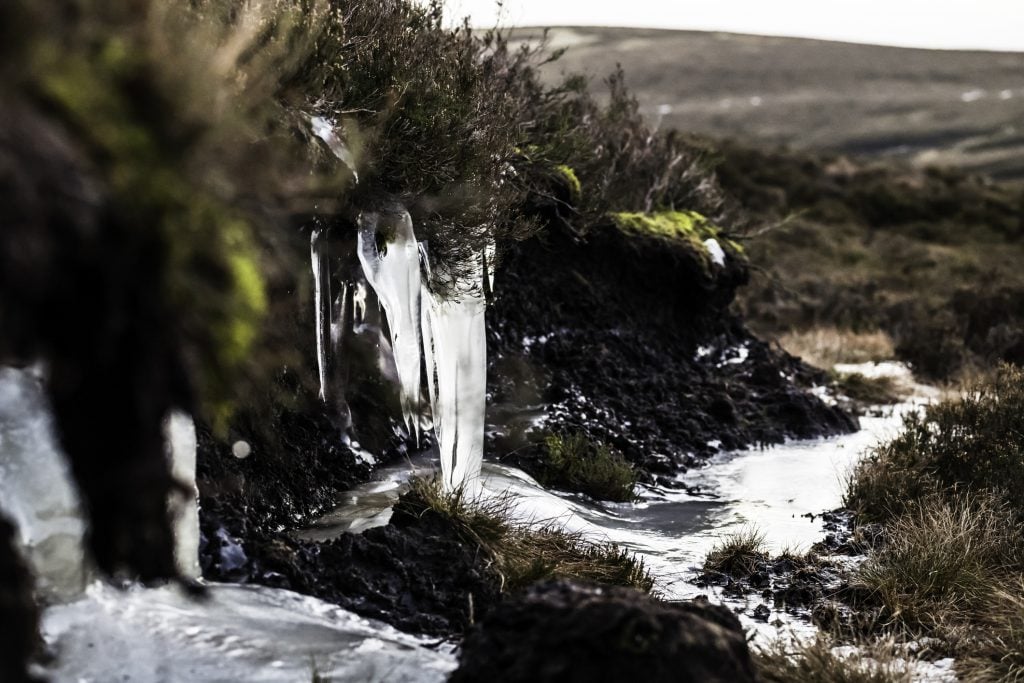
Peat begins life in wet conditions
What is peated whisky?
Peated whisky is made using malted barley that has been exposed to peat smoke during kilning.
The smoke deposits aromatic compounds onto the damp grain. Some of these compounds survive mashing, fermentation, distillation and maturation, eventually giving the whisky smoky, earthy, medicinal or floral flavours.
In Scotland and most other whisky-producing countries, it is spelled peated whisky. Producers in Ireland and the United States may use peated whiskey. Same smoke, additional letter.
Where does peat come from?
Peat forms in bogs, moors and wetlands where waterlogged, oxygen-poor conditions slow the decomposition of plants.
Instead of breaking down completely, dead mosses, grasses, heather, shrubs, tree roots and other vegetation accumulate in layers. Over thousands of years, the weight of new growth compresses the older material beneath it, gradually creating peat.
Peat is found across the world, particularly throughout the northern hemisphere. Scotland and Ireland have extensive peatlands, but there are also enormous deposits in Scandinavia, Canada, Russia and elsewhere.
The exact composition varies according to the plants that grew there, the local climate, the water, the depth of the deposit and how long it has been forming. Peat is not one uniform raw material. A brick cut from heather-rich Orkney peat is chemically different from peat dug elsewhere in Scotland.
An important fuel
Historically, people cut and dried peat to heat homes in places where trees were scarce and transporting coal or other fuel was difficult. It was used across Scotland’s islands and Highlands and throughout rural Ireland, where peat fuel is generally called turf.
I remember my gran’s house in Moate, County Westmeath, which was heated by peat. We would gather around a fireplace filled with black bricks, and our clothes still smelled of the smoke the following day.
That ability to cling on is rather important to whisky.
How is peat harvested?
Traditionally, peat was cut by hand.
First, the living top layer of turf was removed. A trench was then opened in the bog, sometimes reaching from half a metre to two metres deep. Blocks of peat were cut from the exposed face and stacked outside to dry, often for several months, until they contained little enough water to burn effectively.
Machinery now does much of the work required by the whisky industry, although some producers retain close relationships with particular peatlands and traditional cutting practices.
The composition of a bog changes as you travel down through it. The upper layers contain younger, less decomposed plant matter, while deeper peat is older and more compressed. Research into peat used for Scotch whisky production has found chemical differences caused by both geographical origin and extraction depth.
So even two cuts from the same bog are not necessarily identical.
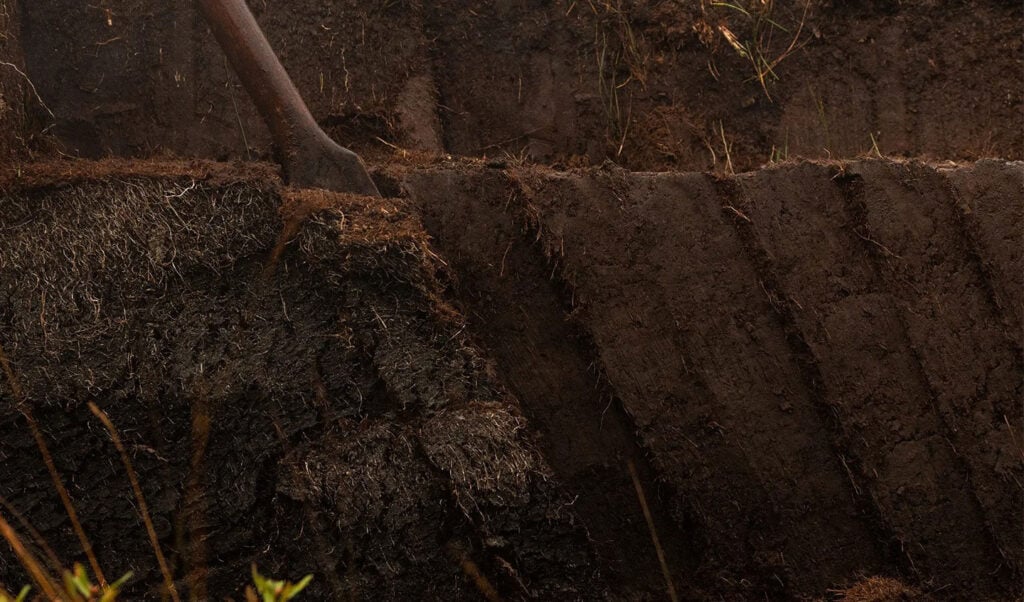
Peat being harvested
How is peated whisky made?
Here is the peated whisky process, step by step.
- The barley is steeped: Barley is soaked in water and drained repeatedly. This wakes the dormant grain and encourages it to begin germinating.
- The barley germinates: Enzymes develop that will later help convert the barley’s starches into fermentable sugars. The maltster must stop germination at the right moment. Leave it too long and the growing plant begins consuming the sugars that the distiller rather selfishly wants for itself.
- The malt enters the kiln: The damp, germinating barley is transferred to a kiln. Heat stops further growth and reduces the moisture content of the grain, allowing it to be stored and milled. For peated malt, dried peat is burned in a furnace beneath the kiln.
- Peat smoke passes through the barley: The fire produces dense, aromatic smoke that rises through the perforated kiln floor and into the bed of damp barley above. Moisture helps the grain absorb smoke compounds, including phenols, cresols and guaiacols. The length and timing of the peat fire help determine the malt specification. Historically, peat might have supplied much of the heat needed to dry the barley. Modern maltings usually use peat smoke during an initial stage before switching to hot air to complete the drying more efficiently and with greater control.
- The malt becomes whisky: The peated malt is milled, mashed and fermented like other malted barley. The resulting wash is distilled and the new make spirit is filled into oak casks. Phenolic compounds are lost and transformed throughout this journey. Distillation regime, still shape, cut points, cask type, maturation time and vatting decisions all affect how much smoke reaches the bottle and what form it takes when it gets there. Peat creates the smoke, but the entire production process shapes it.
What does PPM mean in peated whisky?
Peating levels are usually expressed in phenol parts per million, or PPM.
This figure normally refers to the concentration measured in the malted barley before fermentation, not the finished whisky. A malt specified at 40 PPM does not produce a bottled whisky containing precisely 40 PPM of phenols.
Phenolic compounds are lost during mashing, fermentation, distillation and maturation. Some remain behind in the stillage, some are excluded through the spirit cut, and some change, evaporate or interact with the cask during ageing.
As a rough guide:
- Below 10 PPM is generally considered lightly peated.
- Around 10 to 25 PPM suggests moderate peat.
- Around 25 to 50 PPM is heavily peated territory.
- Anything considerably above that belongs to the especially smoky end of the maltings order sheet.
But PPM is not a Scoville scale for whisky.
A higher number does not guarantee that a whisky will taste smokier than one with a lower number. Different phenolic compounds have different aromas and sensory thresholds, while strength, sweetness, spirit character and maturation can make smoke seem louder or quieter.
Octomore famously uses extraordinarily highly peated malt, yet its spirit can show surprising sweetness and delicacy. Numbers are useful. Your nose remains more useful.

Burning peat at Kilchoman on Islay
A guide to different kinds of peat
Does peat have terroir?
Scientific analysis has found meaningful chemical differences between peat sourced from Islay, Orkney, St Fergus and Tomintoul. Vegetation, water, age and extraction depth can all change what happens when peat burns.
That means the source of the peat can influence the character of its smoke.
But it does not follow that every whisky made using Islay peat will taste medicinal and every whisky made using mainland peat will taste like a forest bonfire. The kiln, combustion temperature, airflow, exposure time, barley moisture, PPM specification and distillery process all have a substantial influence. Cask maturation complicates matters further.
Islay Peat
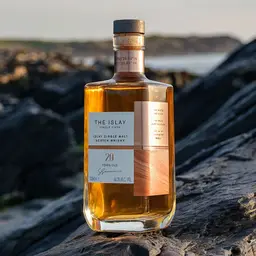
Islay is the global capital of smoky whisky. Its peat is soaked in brine, seaweed, mosses, and maritime vegetation, giving rise to drams with salty tang, medicinal iodine, and sea-spray smoke.
Flavour profile: Maritime, briny, iodine, TCP, medicinal herbs, seaweed, bonfire smoke.
Whiskies to try: Laphroaig 10 Year Old (saline and medicinal), Ardbeg 10 Year Old (explosive peat with citrus), Lagavulin 16 Year Old (peat and sherry richness), Port Charlotte 10 Year Old (robust yet balanced). For newcomers, Kilchoman Machir Bay offers peat alongside orchard fruit, softening the punch.
Orkney Peat
Orkney’s treeless landscape means its peat is mostly heather. This gives a sweeter, floral style of smoke that’s gentler than Islay’s iodine blast.
Flavour profile: Heather smoke, honey, light spice, gentle earthiness.
Whiskies to try: Highland Park 12 Year Old for balanced floral smoke and malt, while Highland Park 18 Year Old deepens the sweetness with dried fruit and heather peat.
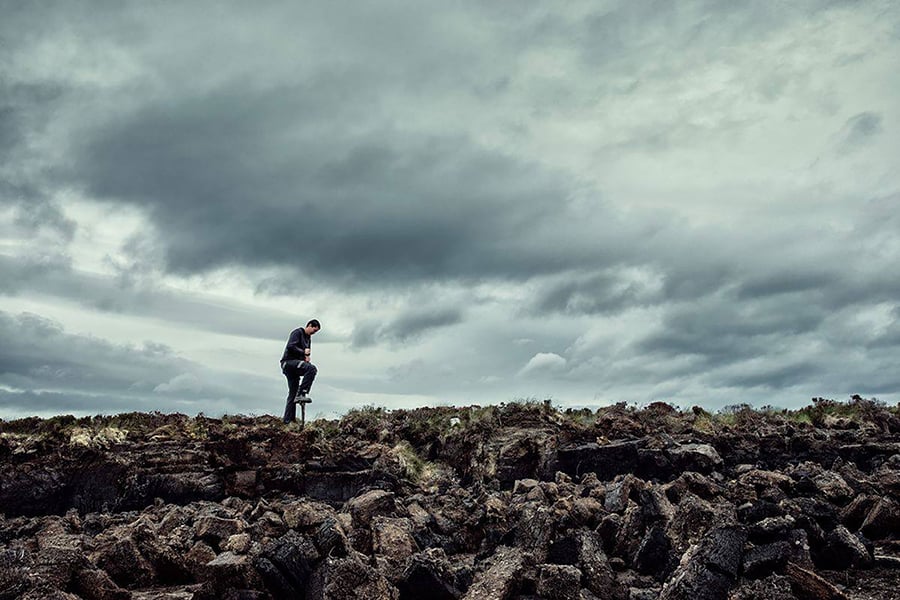
The peat on Orkney has a unique composition, which affects the profile of the whisky
Other Scottish islands
Plenty of Scottish islands make whisky, from Skye to Raasay, Mull and Arran.
Each island distils its own interpretation of peat, shaped by the local climate and cask choices. Some source peat from the mainland, and others use their own supply. Typically, the peat is coastal but not very medicinal, like Islay. We need to be able to taste more of these whiskies before we can ascertain an overarching peat style, however.
Just last week, The Isle of Harris Distillery announced the release of The Hearach Decade Edition, the first-ever whisky made using peat from the Isle of Harris itself. Exciting times.
Mainland Peat
Mainland peat covers a great deal of territory, so we should be suspicious of any single definition. It often contains more grasses, roots and woody material than island peat and is commonly associated with dry, earthy or bonfire-like smoke.
Benromach folds this style into a weighty, slightly meaty Speyside spirit. Benriach combines smoke with orchard and tropical fruit. GlenAllachie uses mainland peat from St Fergus for its Meikle Tòir range, creating a sweeter, grassier smoke than we might expect from southern Islay.
Flavour profile: Charcoal, wood smoke, earth, grass, barbecue, roasted nuts and forest floor.
Whiskies to try: Benriach Smoky Ten (fruity Highland smoke), Benromach 10 Year Old (dry, meaty BBQ), Ardnamurchan AD (vegetal and coastal).
Campbeltown peat
Campbeltown once used peat from local bogs but its distilleries now source peated malt or peat from elsewhere.
The region nevertheless retains an unmistakable style; oily, mineral and industrial in character. The source of peat is only one part of the story. These whiskies taste like Campbeltown because Campbeltown’s production methods make them so.
Typical flavours: Oily smoke, coal, mineral notes, cured meat, citrus and coastal funk.
Whiskies to try: Longrow, Kilkerran, and Glen Scotia Victoriana.

Waterford went as far as to peat barley in Ireland
Irish Peat
Ireland has a long history of peat use (peat is typically called “turf” here), though peated whisky nearly vanished in the 20th century. Most “peated Irish” whiskies use Scottish peat today, but producers like Waterford attempted a revival using native bogs, creating earthy, herbal drams with a distinct character.
Flavour profile: Sweet, grassy, earthy, refined, more briny closer to the coast.
Whiskies to try: Waterford Peated – Lacken 1.1 for grassy, briny smoke with Irish terroir at its heart.
Scandinavian/Nordic Peat
Distilleries across this region like Thy and High Coast have adapted peated whisky to local barley, peat, climate and production traditions. Danish producer Stauning uses locally sourced peat and barley in Stauning Smoke. Its floor maltings and direct-fired stills help create a whisky with campfire smoke, cereal, fruit and spice rather than an imitation of Islay.
Flavour profile: Light, grassy-heather, earthy, floral.
Whiskies to try: Stauning Smoke or High Coast Timmer – Peat Smoke.
Japanese Peat
Japanese peated whisky is almost always made with peat imported from Scotland. But, in his book The Japanese Way of Whisky (out on 2 October 2025), Dave Broom discusses Chichibu’s use of local peat. Very exciting stuff.
Flavour profile: Incense, according to the team at Chichibu.
Whiskies to try: Keep your eye out for Japanese peated Chichibu in the future. In the meantime, you can try peated whisky made using imported peat, like Chichibu The Peated or Hakushu, just to tide you over.
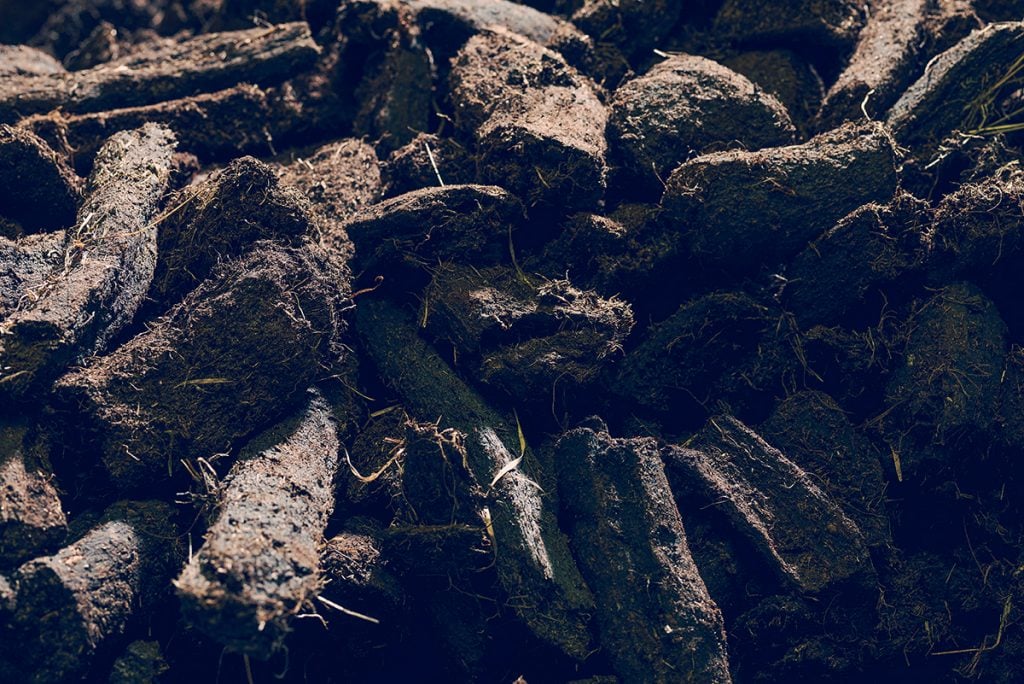
Peat is full of flavour, so much so that it remains in the cask once the whisky is emptied
Australian and New Zealand peat
Australia and New Zealand do not have one shared peat style, but distillers across both countries are exploring how local raw materials can give smoky whisky a character beyond imported Scottish peat.
New Zealand’s Thomson Whisky offers a particularly clear example. Thomson South Island Peat is made from 100% New Zealand-grown malted barley smoked using peat from the South Island. The result brings iodine and earthy smoke together with herbs, vanilla and bright fruit. Thomson also makes whisky smoked with native mānuka wood, neatly demonstrating that smoky whisky need not always mean peated whisky.
Typical flavours: Earthy smoke, iodine, herbs, vanilla, bright fruit and native wood smoke.
Whiskies to try: Thomson South Island Peat and Thomson Mānuka Smoke.
Indian Peat
India provides a very different environment for maturation. Amrut Peated uses peated Scottish barley, but maturation in Bangalore’s warm climate creates an intense marriage of smoke, tropical fruit, malt and spice.
These whiskies are good reminders that peat source alone does not dictate the result. Fermentation, distillation, climate and oak can send the same broad ingredient in entirely different directions.
Whiskies to try: Paul John Bold and Amrut Peated.
Can whisky become peated through the cask?
A whisky can gain smoky flavours without being distilled from peated malt.
Some producers mature unpeated spirit in casks that previously held peated whisky, like Prakaan Peated Cask. The wood retains phenolic compounds from its former occupant and can pass part of that character into the new spirit.
This is generally described as a peated cask finish rather than traditionally peated whisky. The result can add a seasoning of smoke without building peat into the spirit from the beginning, which is handy if you don’t want to contaminate all your equipment with the smell. It takes a good bit of washing to get out.
Peaty whisky versus smoky whisky
Peaty and smoky are often used interchangeably, but they do not mean precisely the same thing.
Peat smoke can create medicinal, earthy, mossy, floral, tarry and maritime flavours as well as straightforward smoke. Meanwhile, whisky can taste smoky for reasons unrelated to peat, including heavily charred oak, toasted casks or another smoked raw material.
All peated whisky has been shaped by smoke. Not every smoky whisky is peated.
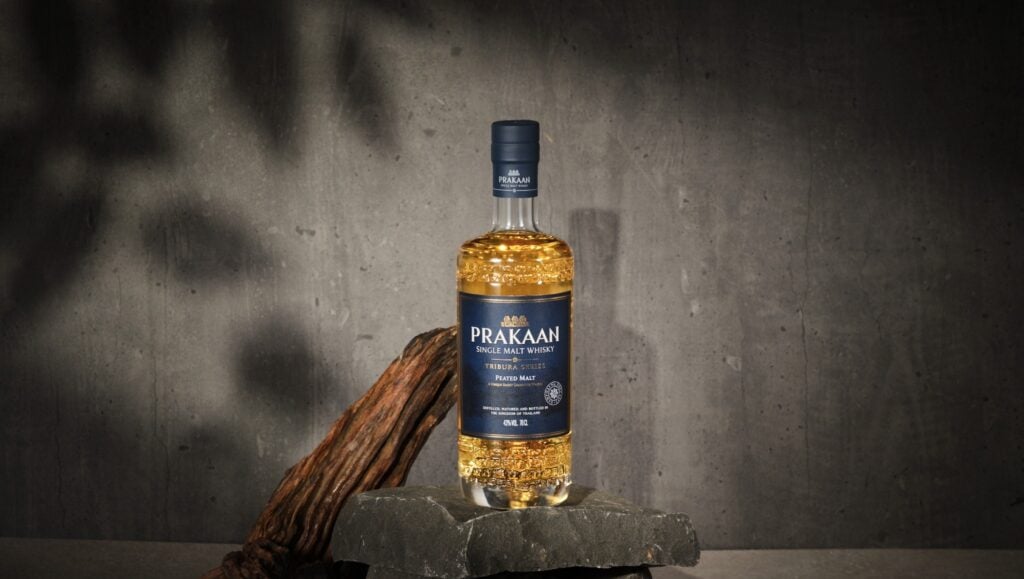
Prakaan is Thailand’s first peated single malt
How to taste peated whisky
Approach the glass gently. A heavily peated whisky can overwhelm your nose if you charge into it like you’re checking whether the house is on fire.
First, identify the broad type of smoke. Is it a bonfire, barbecue, ash, coal, wood smoke or something more medicinal?
Then look behind it. You may find citrus, orchard fruit, vanilla, spice, seaweed, leather, flowers, cereal or dried fruit. Smoke is only one layer, even when it is the loudest one.
Take a small sip and notice how the smoke interacts with the whisky’s sweetness, acidity, texture and cask character. Add a little water if the alcohol or peat is dominating. This can reveal fruit, malt and spice that initially sat behind the smoke.
Peated whisky is at its best when smoke supports the spirit rather than simply smothering it.
How to find the best peated whisky for you
The best peated whisky is not necessarily the one with the highest PPM or the sternest-looking bottle.
If you enjoy bright fruit and restrained smoke, start with Kilchoman Machir Bay, Benriach The Smoky Ten or Meikle Tòir The Original.
For sweet, floral peat, try Highland Park 12 Year Old. For classic medicinal Islay peat, reach for Laphroaig 10 Year Old.
If you want citrus, soot and considerable intensity, Ardbeg 10 Year Old should do the job. For smoke with rich oak and dried fruit, Lagavulin 16 Year Old is an obvious benchmark.
Port Charlotte 10 Year Old offers heavily peated malt with excellent balance, while Octomore really dials things up.
For something outside Scotland, Paul John Bold, Thomson South Island Peat, and Stauning Smoke show what happens when peat meets very different production environments.
Can you use peated whisky in cocktails?
Absolutely, although restraint is useful. Peated whisky can overwhelm a cocktail. The Penicillin is the classic example, pairing blended Scotch, lemon, honey and ginger with a float of peated single malt. The smoky whisky works as an aromatic seasoning rather than the entire base.
A peated Highball is another thing of beauty. Whisky, ice and soda lengthen the smoke and expose the fruit underneath. Peated whisky can also add depth to an Old Fashioned, Rob Roy or Whisky Sour. If a full measure proves overwhelming, split the base with unpeated whisky or rinse the glass with the smoky stuff.
The best peated whiskies for cocktails are flavourful enough to remain present after dilution, but balanced enough to leave room for everything else. Caol Ila, Johnnie Walker Black Label, Talisker and lightly peated Highland malts are particularly versatile.
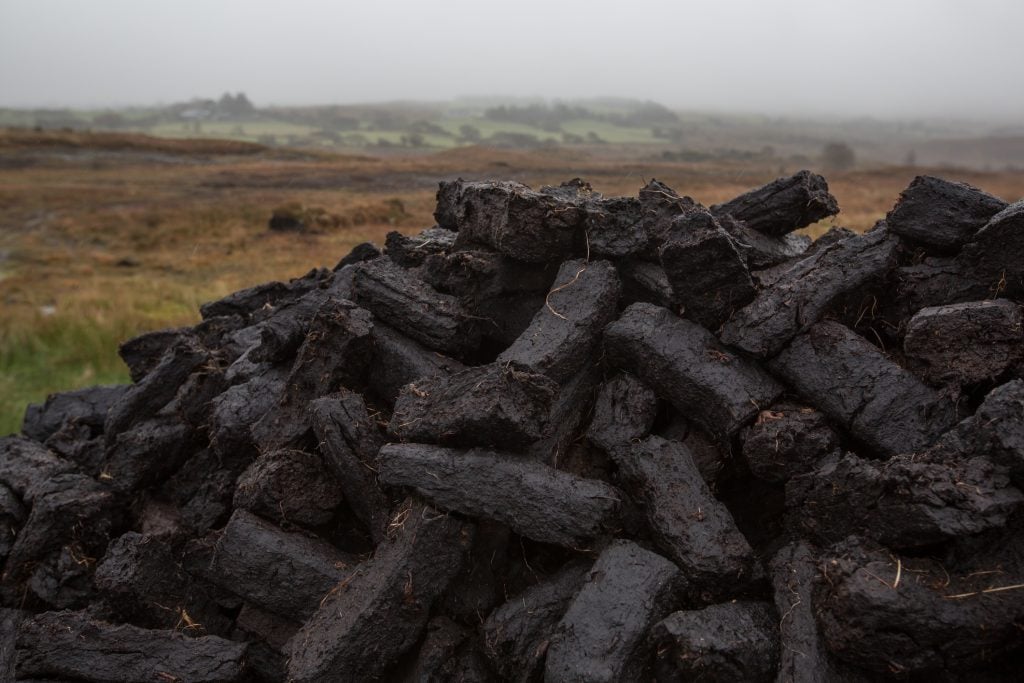
It’s not only Scotland that has peat. This is Irish peat, or turf.
What food goes with peated whisky?
Rich, fatty and strongly flavoured foods stand up well to peat smoke.
Smoked salmon, blue cheese, barbecued meat and dark chocolate are dependable pairings. Oysters work beautifully with coastal smoky whisky, while sweeter peated malts can complement caramelised or fruit-based desserts.
The idea is either to echo the smoke or oppose it with fat, salt or sweetness. A delicate salad is unlikely to survive the meeting.
The last drop
A guide to different kinds of peat can never capture the full spectrum of flavour inside a single bog, let alone a finished whisky.
Peat composition matters. So do cutting depth, kiln design, combustion, barley moisture, PPM, fermentation, still shape, cut points, casks, age and blending.
The best way to understand it is to line up a few drams from different distilleries and let the peat tell its own story. Sorry if the curtains smell afterwards.