Trade
Trade

A New Zealand company called Reactory says it can create decades of flavour in days, using a fraction of the oak, space, and money required by traditional maturation.
Here we go again. It’s the latest in a long line of people trying to defeat Father Time and hurry along the ageing of spirits.
The last century has seen numerous foolhardy methods to circumnavigate reality. John Dewar & Sons had experimented with artificial maturation before Tullymet distillery closed in 1911. Much later came plastic-wrapped casks, barrels subjected to music, carefully manipulated wood, and the Star Trek machinery of Lost Spirits.
What’s wrong with a little patience?
Maturation is a beautiful thing. One day I too hope to be mature. But it also takes years, swallows capital, fills warehouses, consumes oak, and allows a portion of the product to evaporate before anybody can sell it. It is an extraordinarily inefficient way to make a drink. It is the best way to produce a drink.
Science continues to move on, but the promise remains consistent: there must be a way to create the flavour, with none of the waiting. I’m all for curiosity. You can believe both that the process of maturation is a beautiful, mysterious art that cannot be replicated, and that there’s an amount of fun and discovery to be had in the attempt.
Naturally, these experiments fail more often than not. Spectacularly, sometimes. That is also fun, certainly for the spectator (not the investors I imagine). Turns out time is a cruel mistress. Or dad. Both? Anyway, a new contender enters the warehouse. And it has a gold medal.
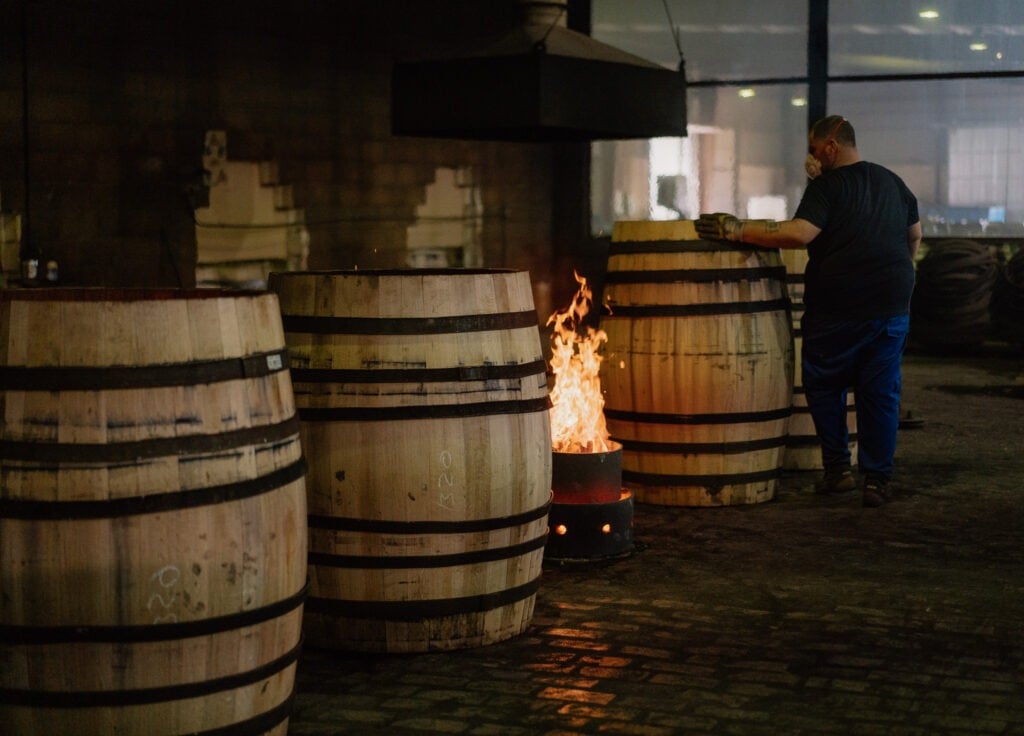
Maturation is an art. And it always will be. But that doesn’t mean people won’t look for a way around it…
Meet Reactory
Reactory is a New Zealand company founded in 2022 by Dr Mark Eltom, who has a background in chemistry, grape growing, and winemaking.
After four years and more than 300 reported trials, the company is launching its proprietary maturation system internationally. Reactory says its custom-built equipment recreates the important interactions between spirit, wood, and environmental conditions, producing mature-tasting spirits in as little as 72 hours.
Its reactors can reportedly handle batches ranging from two litres to 20,000 litres. The company also says a single unit can process as much as one million litres annually while occupying a footprint of approximately four metres by four metres by four metres.
The headline claim on Reactory’s website is admirably unburdened by modesty: 10-year-plus spirits in 72 hours.
Right, then.
How does Reactory work?
The precise process is proprietary, which means there is only so much technical detail available publicly.
According to Reactory, new make or previously aged spirit is combined with selected wood inside a controlled reactor. Temperature, pressure, oxygen, wood contact, and other environmental conditions can then be manipulated to encourage the reactions associated with maturation.
Oak is still involved. Reactory is not claiming that someone has discovered how to generate vanilla, spice, tannin, colour, and fruit complexity by pointing a hairdryer at new make. Instead, it says it can control and accelerate the relationship between spirit and wood while using considerably less oak than a traditional barrel programme.
Founder Mark Eltom puts it like this: “Time, on its own, doesn’t guarantee quality and age doesn’t automatically equal maturity.”
It is true that an old spirit is not necessarily a good spirit. Anyone who has tasted an exhausted, tannic, or half-dead cask already knows that the calendar is not a master blender. But separating maturity from time is another question.
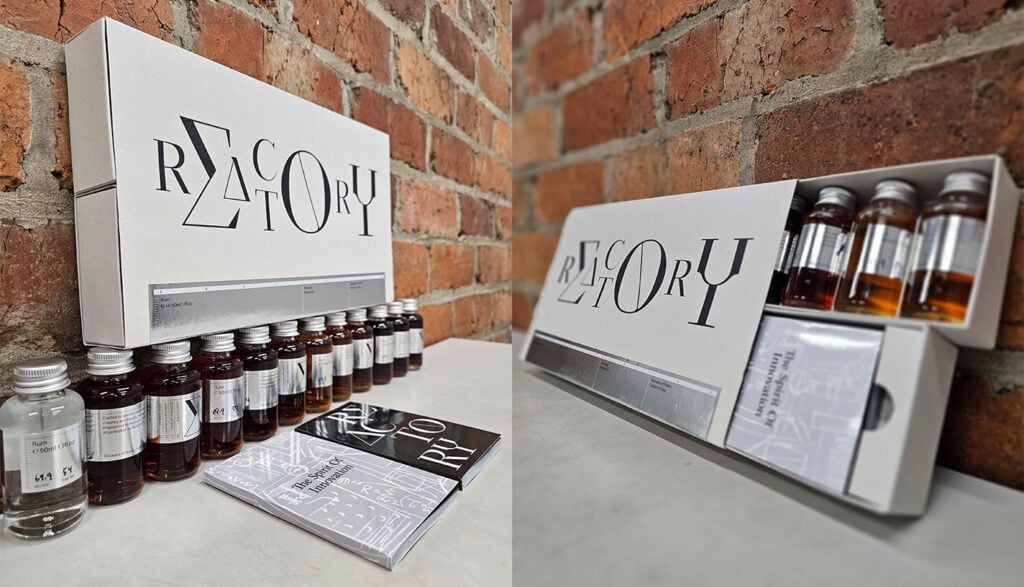
Reactory enters the scene. What do you make of it?
Mature flavour is not necessarily maturation
Traditional maturation is not one reaction. It is an ongoing, changing relationship involving extraction, oxidation, evaporation, esterification, concentration, temperature fluctuations, oxygen ingress, cask history, warehouse conditions, and a great deal we still do not entirely understand.
Wood gives spirit compounds including vanillin, lactones, tannins, sugars, spice, and colour. Charred or toasted oak can also remove unwanted compounds. Oxygen slowly transforms the liquid, while changing seasons move spirit into and out of the wood.
Different reactions take place at different rates. Some happen quickly. Others require time, or at least conditions that conventional maturation provides over time.
A reactor could plausibly accelerate many of these mechanisms. But does it recreate the entire process, reproduce enough to convince the palate, or simply find another route?
The 94-point rum
One of the headlines in the Reactory press release is that Queen of Clubs Navy Strength Rum, produced by Eltom Distillery using the technology, received a gold medal and 94 points at the 2026 London Spirits Competition.
The judges found aromas of brown sugar, dried fruit, and dry oak, followed by kola nut, banana, tropical fruit, cinnamon, liquorice, and medicinal notes. Whatever happened inside the reactor, it apparently created something recognisably rummy, oaky, and enjoyable. Reactory says Queen of Clubs scored more highly than several conventionally matured rums aged for between seven and 15 years.
A gold medal does not prove that 72 hours has become 15 years. That might sound needlessly pedantic, but Reactory has based much of its proposition on compressing decades into days. The distinction between creating an excellent rum and recreating long maturation is therefore the whole game.
Without tasting Queen of Clubs ourselves, preferably blind and alongside conventionally matured benchmarks, we cannot tell you where we think it falls on that scale. A gold medal is still gold, though.
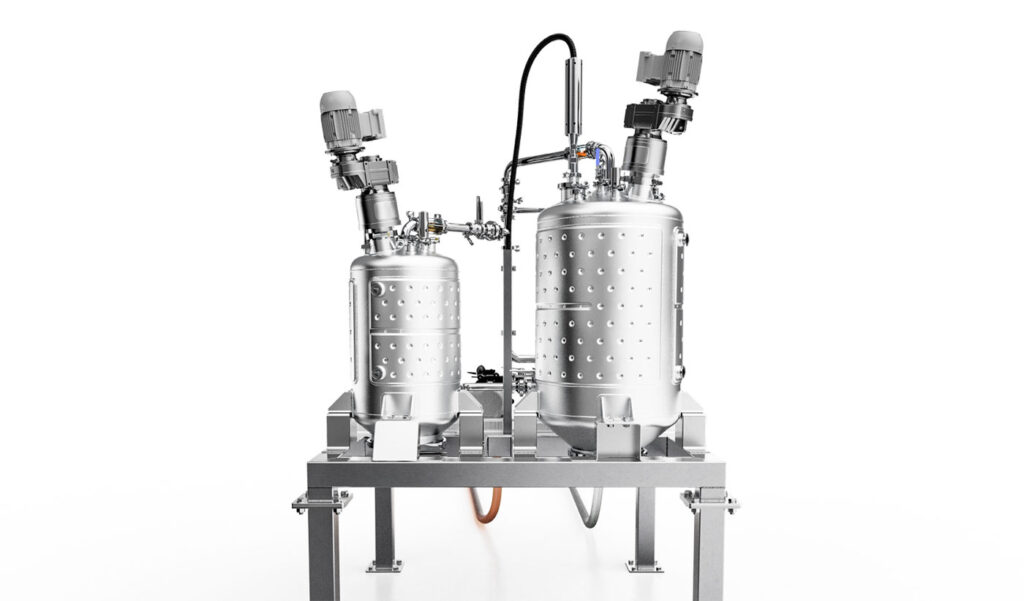
I think I saw this guy on Doctor Who
Numbers more disruptive than flavour?
The most compelling part of Reactory’s pitch may be the comparatively boring business of removing cost and risk. Traditional maturation ties up money for years. Producers must buy or make spirit, purchase casks, secure warehouse space, insure the stock, monitor it, and wait. Meanwhile, evaporation steadily reduces the amount available to bottle.
The entire model requires somebody to predict what drinkers will want several years from now. Spirits companies are currently discovering how entertaining that can be. Reactory claims its process eliminates the angel’s share, uses dramatically less oak, improves consistency, requires less floor space, and can substantially reduce production costs.
Its website compares a traditional total cost of $13.73 per bottle with $6.09 through its system. Elsewhere, it claims reductions of up to 55% and, in another section, as much as 70%.
There are some heroic assumptions packed into any cost comparison of that kind. Traditional maturation costs vary enormously depending on the country, climate, category, cask, warehouse, production scale, and length of ageing.
The environmental claims require similar caution.
Environmental impact
Reactory says its technology reduces environmental impact by 95% and allows one tree to provide enough oak for 415,000 litres of spirit, compared with 400 litres through traditional casks. Wood chips or cubes have far more usable surface area than thick barrel staves, and they do not require a whole cask structure to hold the liquid.
But a claim as broad as a 95% reduction in environmental impact needs a transparent methodology and, ideally, an independently assessed life-cycle analysis. The company’s public website does not currently provide one.
There are also inconsistencies that need clearing up. The supplied release says Reactory spirits have been assessed by 2,000 blind tasters, while the company website currently states more than 500. Both say 87% preferred the Reactory liquids. That does not necessarily make the result meaningless, but it does make the methodology rather important.
Who were the participants? What did they taste? Were the samples matched for alcohol strength, price, sweetness, and spirit category? What did consistently choose mean? Were they asked which sample tasted older, which they preferred, or which they thought offered better value?
Until those details are public, 87% is a marketing claim rather than scientific proof.
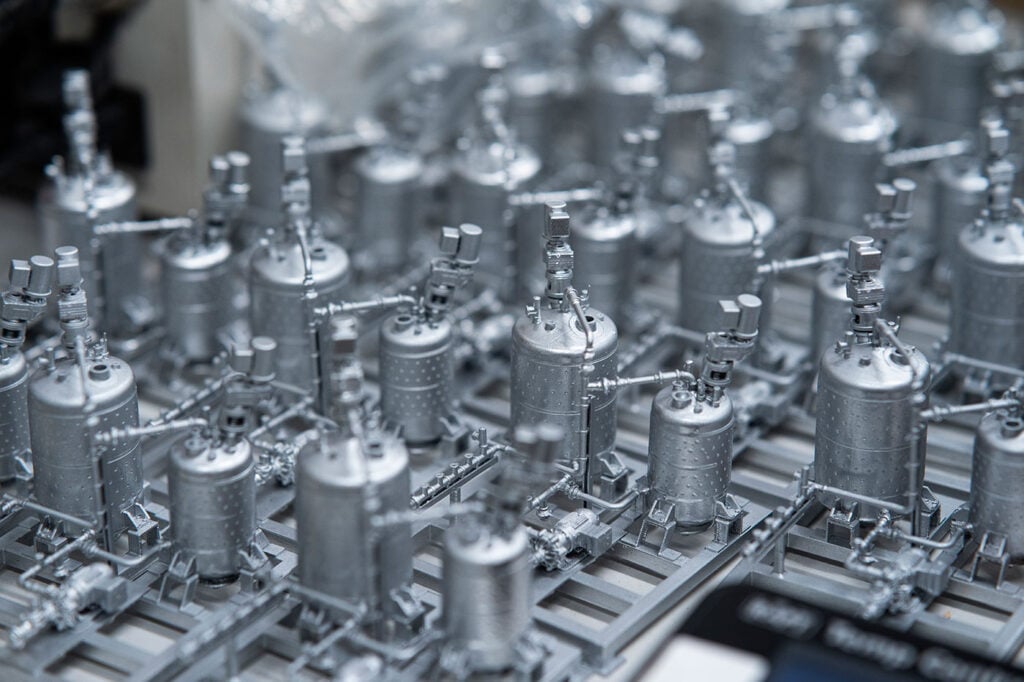
Technology. Right?
You cannot legally fast-forward everything
There is also the small matter of what the finished drink can actually be called.
Under UK rules, whisky must mature for at least three years in wooden casks no larger than 700 litres. Scotch whisky must spend those years in oak casks in Scotland. A reactor could potentially alter the flavour of new make, but it cannot turn three days into three legal years or produce Scotch whisky outside the process defined in law.
Rum is different. The general UK category definition specifies its raw materials, distillation, minimum alcoholic strength, and permitted additions, but does not impose a universal minimum maturation period. Particular geographical indications and national traditions may add their own requirements.
That makes rum a logical place for Reactory to demonstrate what it can do. Its wider commercial future may also lie in less dramatic applications. For some distillers, a reactor may be more useful as an additional instrument than as a barrel-destroying revolution. Think Takamaka embracing cavitation.
Reactory itself appears to understand this, repeatedly framing the process as maturation collaboration rather than replacement. That language is more credible than declaring the death of the cask, not least because the cask has survived quite a few death notices already.
Will drinkers accept it?
Some might say only the liquid matters. If a rum tastes excellent, why should anybody care whether it took 10 years or 10 days?
But aged spirits are not sold solely as collections of flavour compounds. Time is part of the product. It creates scarcity and gives producers a story that customers understand. Age can be overvalued, but removing the years while borrowing all the language, imagery, and perceived value of those years would be equally suspect.
Reactory therefore needs transparency as much as it needs quality. Seventy-two hours cannot be printed as 10 years, even if the contents of the bottle make a convincing impersonation.
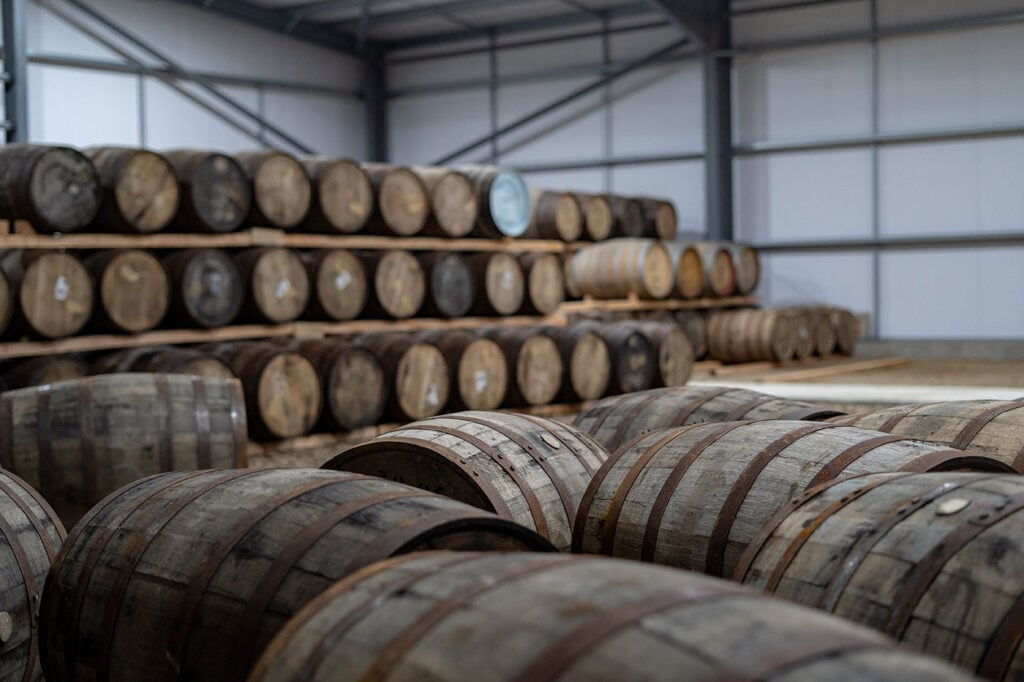
Hurry up already
Here we go again
Reactory has developed equipment that appears scalable, attracted interest from drinks companies, and presented an economic argument.
What it has not yet publicly demonstrated is that its liquids are chemically or sensorially equivalent to spirits matured for a decade, that the claimed environmental and financial savings survive independent assessment, or that consumers will embrace reactor-made spirits once the process is explained clearly.
Here we go again, then. Another machine, another promise to do in days what nature does in years. What’s wrong with a little patience?
Update: Reactory responds
Since publication, Reactory has been in touch to provide further context and says it will update its materials to address the inconsistencies highlighted above.
In the original article, we had a section that questioned what elements helped Reactory acheive its score from the London Spirits Competition, as there are several categories it marks products on. Reactory has since clarified that Queen of Clubs Rum received scores of 94 for quality, 95 for value, and 92 for packaging at the London Spirits Competition. The final weighted score was 93.75, rounded to 94.
Reactory also says its blind tasting involved 2,000 people aged between 20 and 75, split evenly between people of all genders, with 87% choosing the Reactory-produced spirits.
The company says its environmental claims have previously been published on LinkedIn, while its financial estimates are based on publicly available data. It has offered to explain both sets of calculations in greater detail, although information relating to clients remains confidential.
Reactory has also offered us the opportunity to speak with founder Dr Mark Eltom and taste samples produced using the technology. We intend to follow up and will update this article with any further findings.