Trade

Flavoured rum
356 Products
Flavoured rum is an exciting and versatile category in the world of spirits that has experienced a surge in popularity, reflecting the broader consumer trend towards more diverse and approachable taste profiles. This explosion of flavour within the rum category has led to a wealth of options for both the casual drinker and the connoisseur, with infusions that range from the traditional to the
Read moreShow:

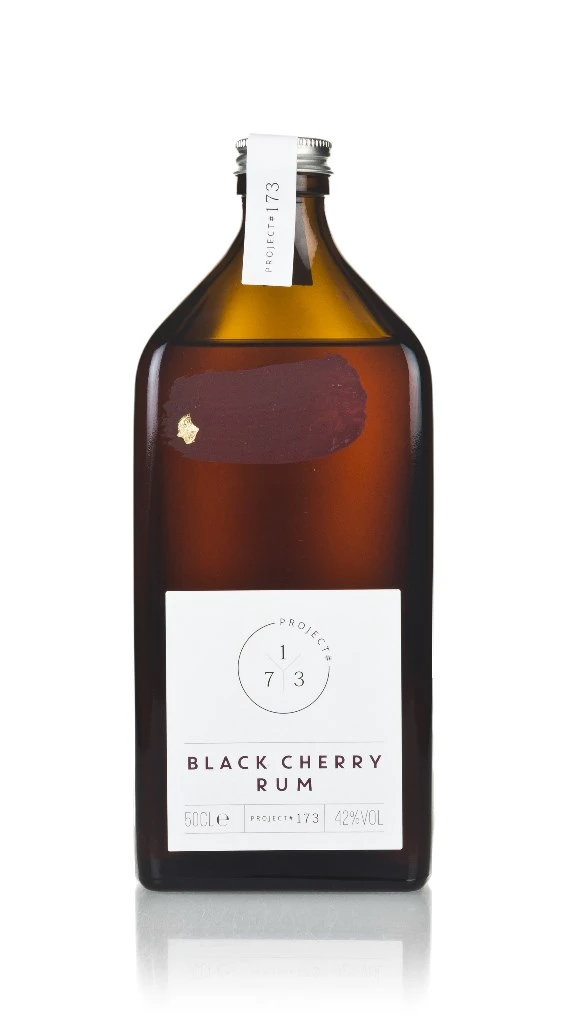


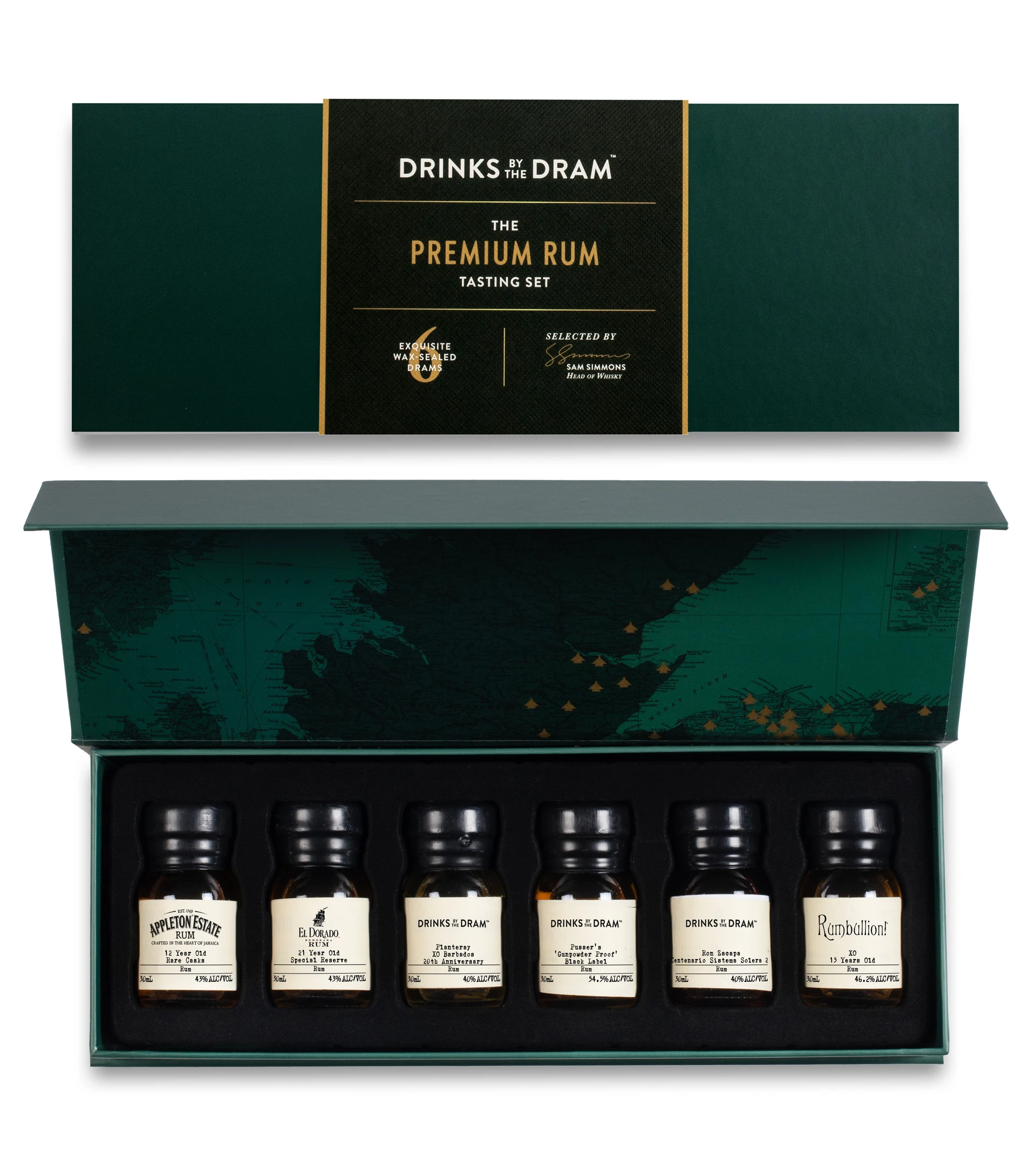
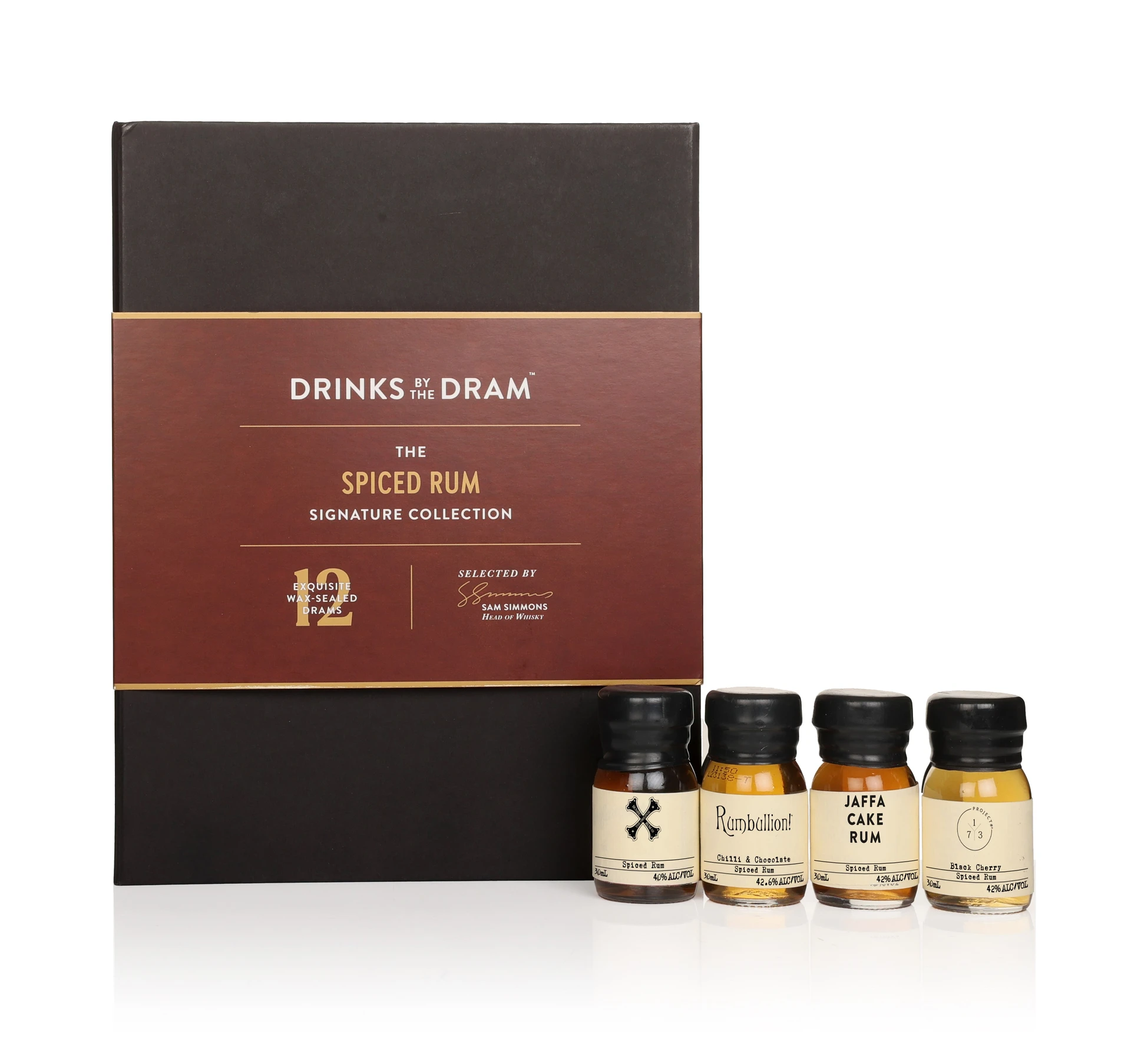

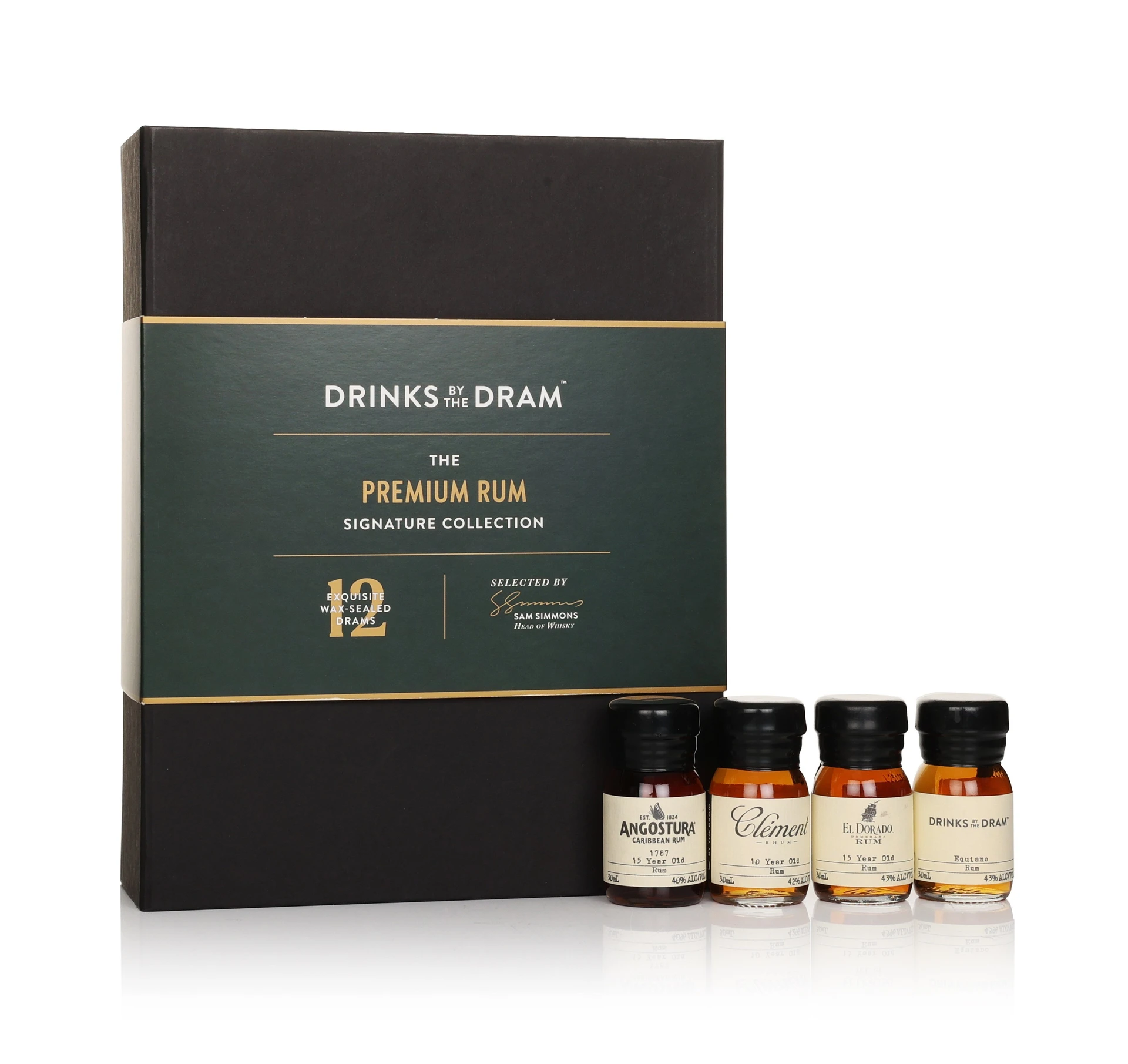








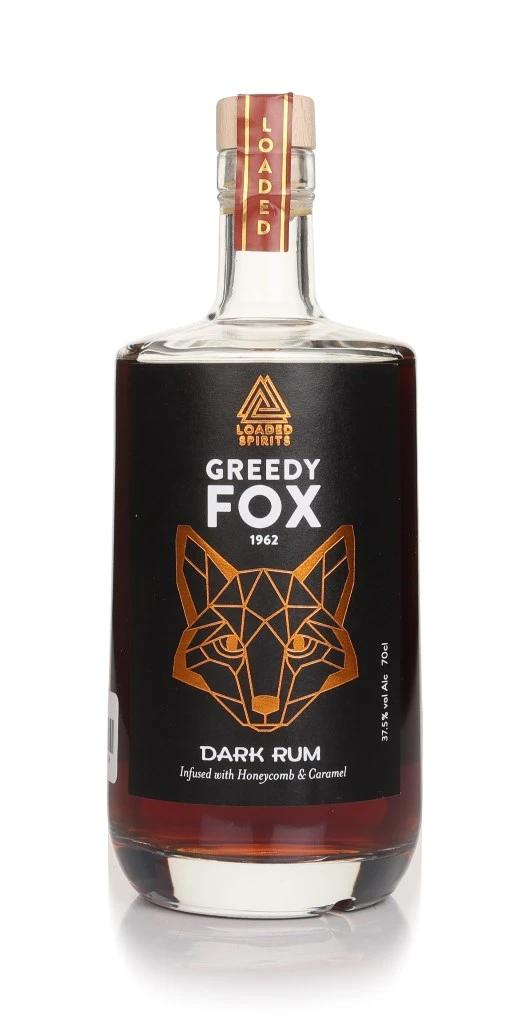


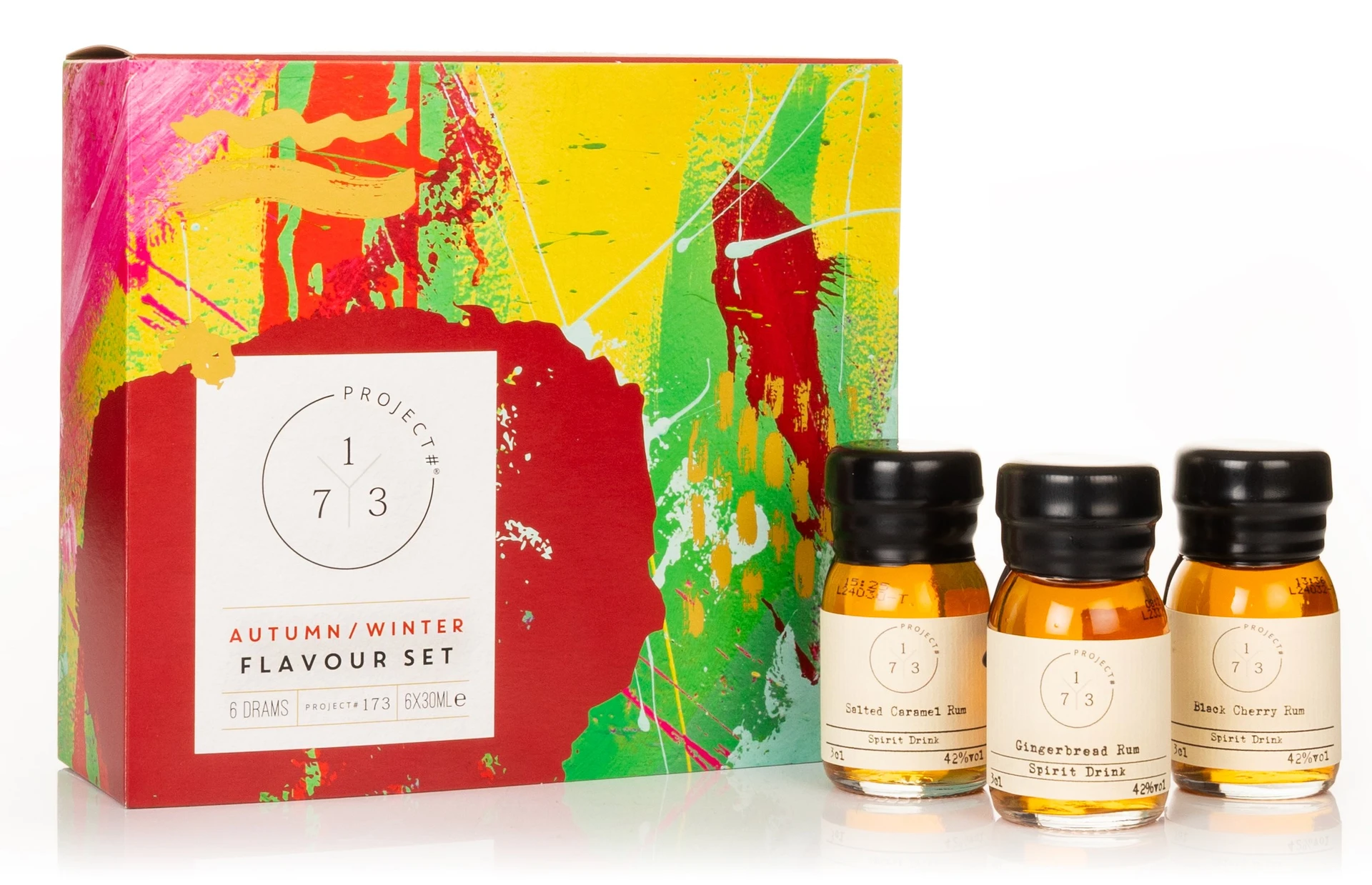
Flavoured rum
Flavoured rum is an exciting and versatile category in the world of spirits that has experienced a surge in popularity, reflecting the broader consumer trend towards more diverse and approachable taste profiles. This explosion of flavour within the rum category has led to a wealth of options for both the casual drinker and the connoisseur, with infusions that range from the traditional to the exotic, each telling its own story of heritage and innovation.
The Origins of Flavoured Rum
Historically, rum has been a spirit associated with seafaring and the tropics, its origins deeply rooted in the Caribbean and Latin America. The practice of adding spices and other flavourings to rum is almost as old as the spirit itself, with early sailors adding spices to mask the harshness of their rudimentary rums. Over time, these additions became more sophisticated, evolving into the complex and refined flavoured rums that we see on the market today.
The Making of Flavoured Rum
The process of creating flavoured rum begins with a base of white, gold, or dark rum, which is then infused with a range of natural ingredients. These can include spices like cinnamon, vanilla, and nutmeg, fruits such as coconut, pineapple, and mango, or even herbs and botanicals reflecting the local flora of the rum's country of origin. The methods of infusion vary, from steeping ingredients in the rum to more modern techniques that preserve the intensity and purity of the flavours.
The Flavours and Their Profiles
Flavoured rums can be broadly categorised by their dominant tasting notes:
Spiced Rums
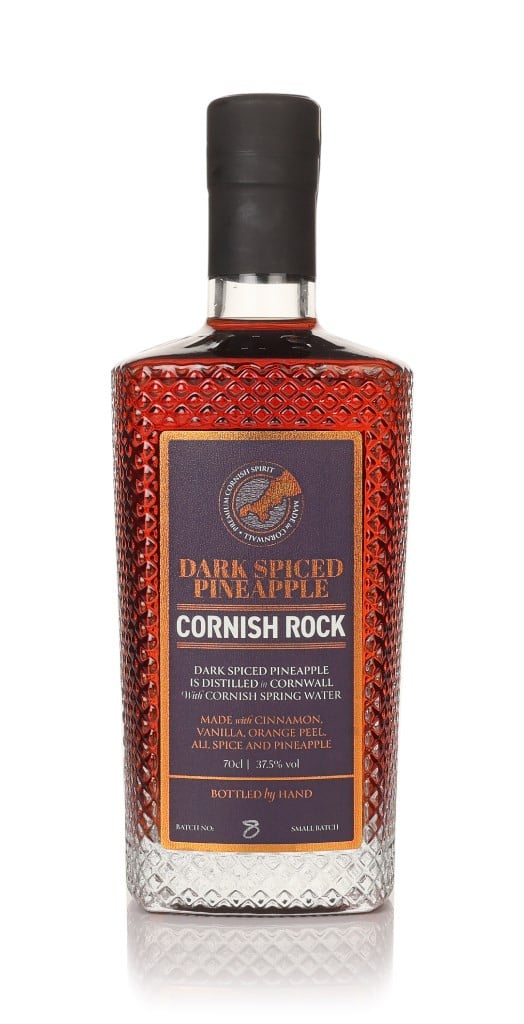
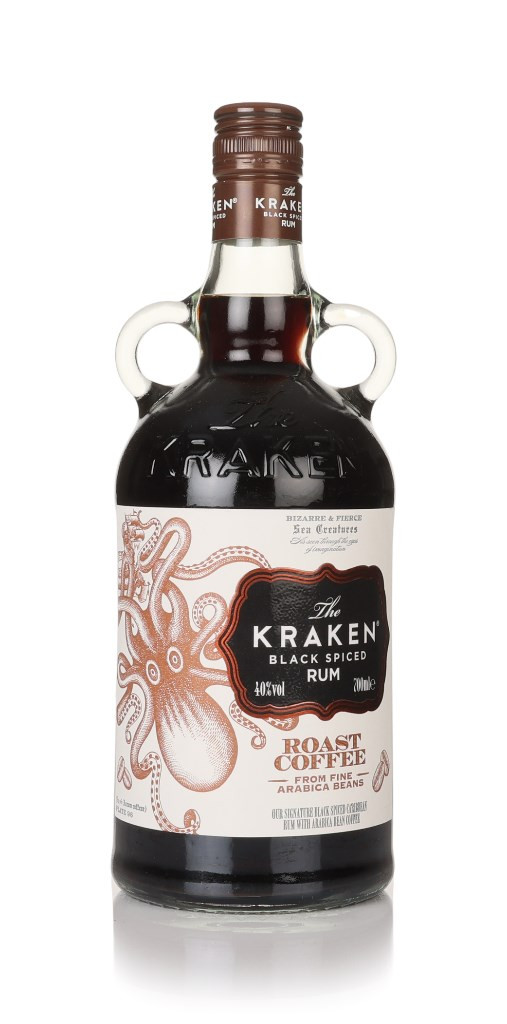
Among the most traditional flavoured rums, they typically exhibit warm and comforting notes of winter spices, often with a vanilla sweetness and hints of caramel or toffee.
Fruit-Infused Rums
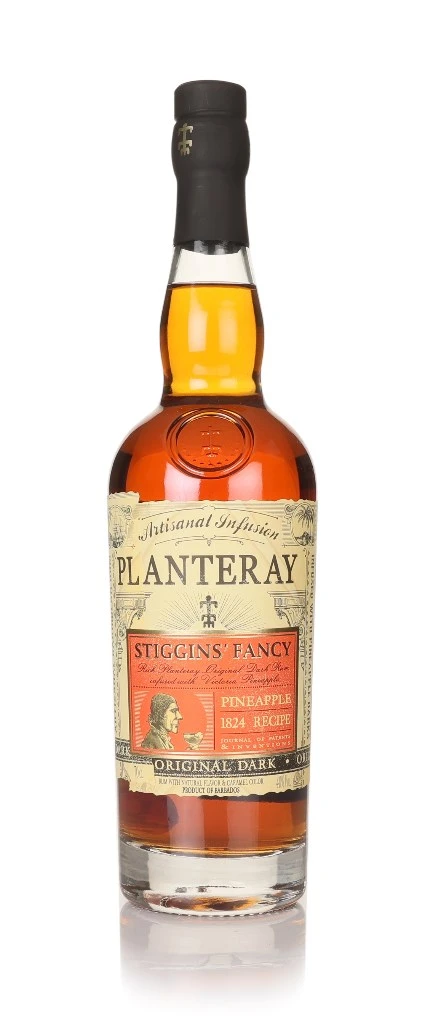
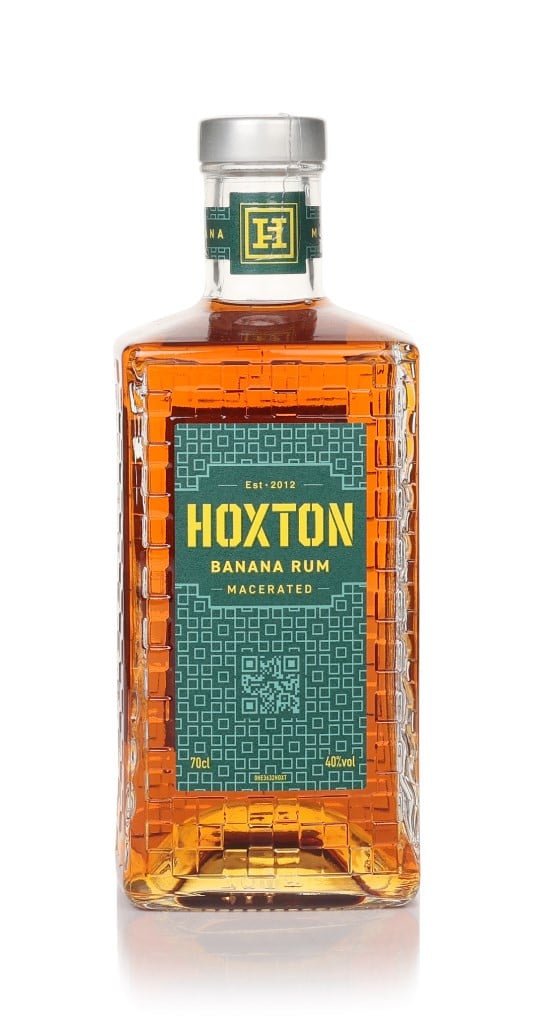
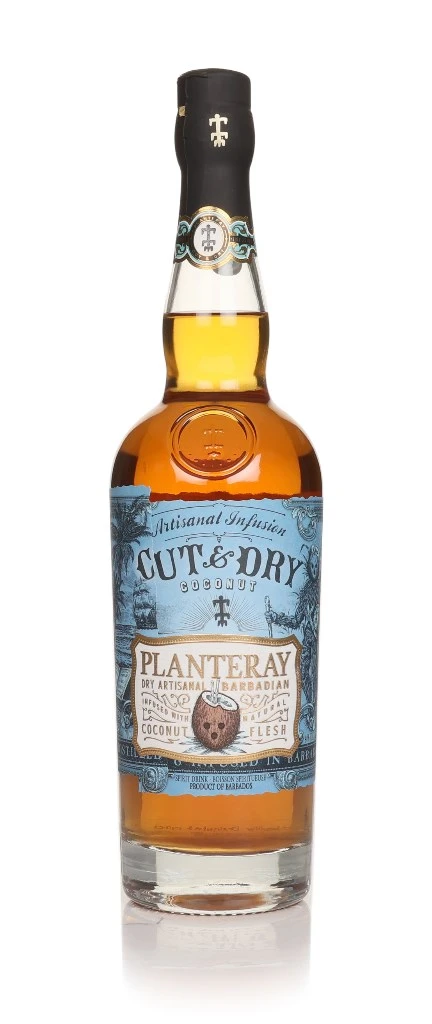
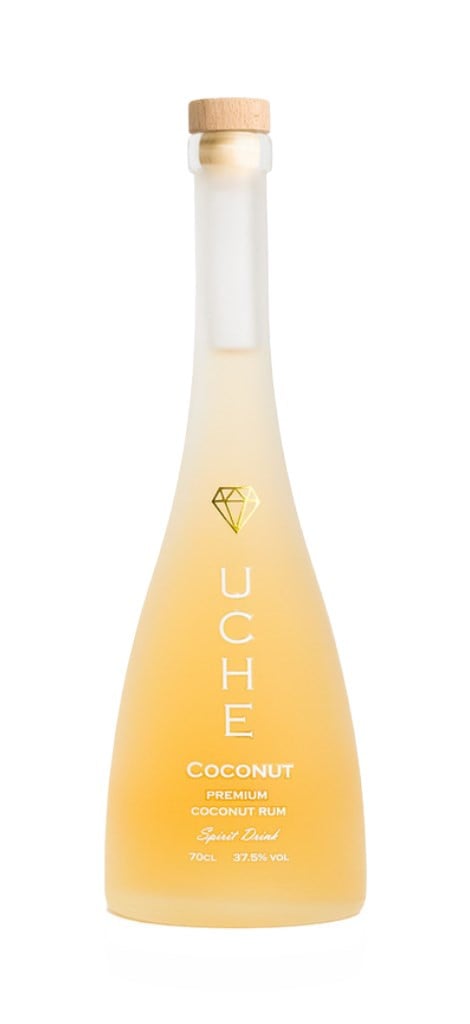
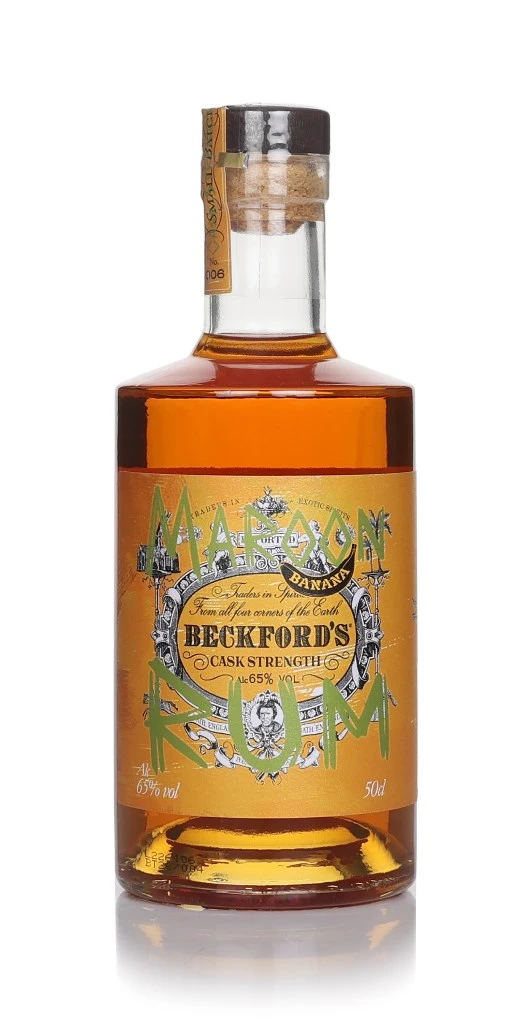
These rums boast the sunny profiles of tropical fruits and are often more refreshing. Pineapple, banana, and coconut are popular, offering a sip that is reminiscent of an exotic beach holiday.
Herb and Botanical Rums
A newer trend, these draw inspiration from the gin market, incorporating aromatic botanicals and herbs to create complex and sometimes savoury flavour profiles.
Mixology and Flavoured Rum
The versatility of flavoured rum makes it an excellent base for a myriad of cocktails. Spiced rum lends itself well to warm winter drinks, such as hot buttered rum or a spiced rum toddy. Fruit-infused rums are the stars of summery cocktails like the piña colada or a tropical rum punch. The botanical rums can be used in more complex concoctions, often paired with tonics or as innovative twists on classic cocktails like the mojito or daiquiri.
The Rise of Craft Flavoured Rum
The craft movement has taken the rum world by storm, with small distilleries experimenting with locally sourced ingredients and artisanal production methods. These craft rums often focus on high-quality, natural ingredients and may use organic fruits or spices, leading to a cleaner, more robust flavour profile.
Cultural Impact and Heritage
Flavoured rums are also deeply connected to their regions of production. For instance, the use of coconut in Caribbean rums or the infusion of tropical fruits in South American rums speak to the agricultural riches of these areas. This regional specificity has made flavoured rum a cultural ambassador, introducing consumers worldwide to the tastes and traditions of its homeland.
Flavoured Rum in Cuisine
Beyond cocktails, flavoured rum has found its way into the culinary world, becoming a favoured ingredient in desserts and sauces. The infusion of spices or fruits in the rum adds depth and complexity to dishes, whether it's a rum-spiked cake or a glaze for meats.
Consumer Trends and Market Growth
The flavoured rum category has expanded rapidly, catering to a broad audience. Millennials, in particular, have embraced these rums, drawn to the variety and the potential for personalisation in their drinks. This demographic shift has pushed distillers to innovate continuously, leading to ever-more creative and bold flavours hitting the shelves.
Sustainability and Ethical Production
With the increasing consumer demand for sustainability, many rum producers are now focusing on ethical practices, from sourcing to production. The use of organic ingredients, fair trade sourcing, and sustainable packaging are becoming important selling points for flavoured rum brands.
Flavoured rum stands at a crossroads of tradition and innovation, offering a delightful and accessible way to experience the storied spirit of rum. Whether enjoyed in a vibrant cocktail, savoured neat, or used as a culinary ingredient, the world of flavoured rum invites exploration and enjoyment. As the category continues to grow, it promises to bring even more exciting flavours and experiences to consumers around the globe.