Trade
TradeHungarian Red Wine
1 Product
With a winemaking history that dates back to the Roman times, Hungary is one of the oldest wine-producing countries in Europe. The country boasts a multitude of wine regions, each carrying its own unique terroir, climate, and grape varieties. Among the multitude of wines produced, Hungarian red wines hold a particularly enthralling narrative, reflecting the diverse landscapes and climates
Read more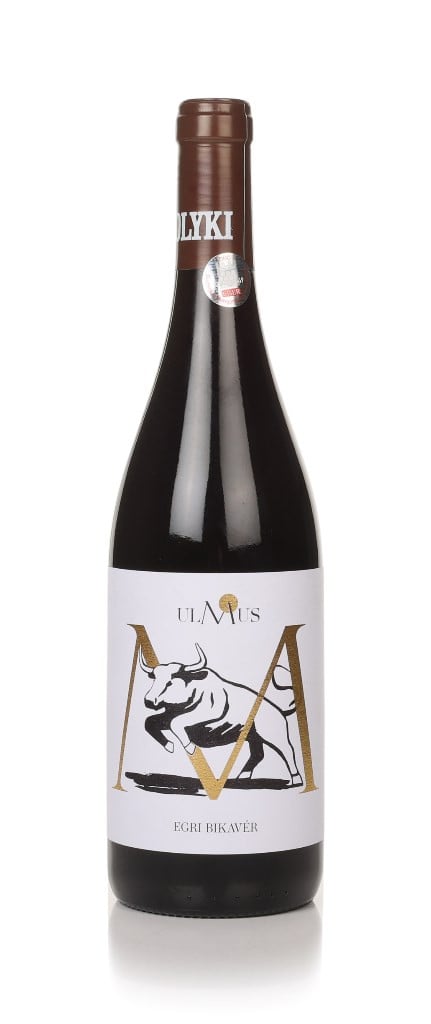
Hungarian Red Wine
With a winemaking history that dates back to the Roman times, Hungary is one of the oldest wine-producing countries in Europe. The country boasts a multitude of wine regions, each carrying its own unique terroir, climate, and grape varieties. Among the multitude of wines produced, Hungarian red wines hold a particularly enthralling narrative, reflecting the diverse landscapes and climates throughout the country.
Styles of Hungarian Red Wine
Although Hungary may be commonly associated with the legendary sweet wine, Tokaji, its red wines deserve a spotlight for their rich, captivating profiles and wide-ranging styles. There are several notable wine regions in Hungary, with each having its own signature varietals and styles.
Villány: Located in the southernmost part of Hungary, Villány is renowned for producing some of the country’s most robust and opulent red wines. The region predominantly grows international grape varieties like Cabernet Sauvignon, Merlot, and Syrah, but local grapes such as Kékfrankos and Portugieser are also pivotal to the regional viticulture.
Szeksárd: This region is known for its full-bodied and spicy reds, with a signature varietal being Kékfrankos. The wine here often reflects a beautiful balance between fruitiness, acidity, and minerality.
Eger: Eger is home to Egri Bikavér, often referred to as ‘Bull's Blood,’ a robust, full-bodied red blend which traditionally incorporates Kékfrankos, Kadarka, and a medley of other varietals.
The Cultural and Economic Impact of Hungarian Wine
Red wine in Hungary isn't merely a beverage but an emblem of cultural identity and economic significance. The historic vineyards, often family-owned, aren’t just sites of production but spaces where generations of knowledge and passion for winemaking have been cultivated. Furthermore, the wine regions significantly contribute to local economies, promoting tourism and ensuring the sustainability of the local communities.
Challenges and Innovations in the Industry
While the Hungarian wine industry has witnessed a resurgence in the global market, it faces the universal challenges of modern winemakers, including climate change and market competition. Nevertheless, Hungarian winemakers continually adapt, embracing both traditional practices and innovative techniques to ensure the production of high-quality red wines. Moreover, there is a conscious movement towards organic and biodynamic farming among Hungarian vintners, aligning with global shifts towards sustainability in viticulture.
Hungarian Red Wine on the Global Stage
Despite the shadows of its vibrant white and dessert wine counterparts, Hungarian red wine has been gracefully paving its own path on the global stage. With a rich profile imbued with history and the nuances of the Hungarian terroir, it appeals to wine enthusiasts who seek both quality and a narrative in their glasses.Hungary, with its red wines, presents a palette that gracefully merges tradition with innovation. The wines, steeped in history, reflect the nuanced terroirs and the meticulous craftsmanship of the winemakers. From the bold and spicy reds of Villány to the iconic blends of Eger, Hungarian red wine invites exploration into its diverse landscapes, promising a journey where each sip reveals a story of its soil, climate, and the hands that crafted it.
In exploring Hungarian red wines, one embarks on a journey through varied terrains, understanding the reflections of its history and the aspirations of its modern vintners. It’s a narrative that not only speaks of the resilience and heritage of its people but also whispers the promising notes of its future chapters in the global wine narrative.
Styles of Hungarian Red Wine
Although Hungary may be commonly associated with the legendary sweet wine, Tokaji, its red wines deserve a spotlight for their rich, captivating profiles and wide-ranging styles. There are several notable wine regions in Hungary, with each having its own signature varietals and styles.
Villány: Located in the southernmost part of Hungary, Villány is renowned for producing some of the country’s most robust and opulent red wines. The region predominantly grows international grape varieties like Cabernet Sauvignon, Merlot, and Syrah, but local grapes such as Kékfrankos and Portugieser are also pivotal to the regional viticulture.
Szeksárd: This region is known for its full-bodied and spicy reds, with a signature varietal being Kékfrankos. The wine here often reflects a beautiful balance between fruitiness, acidity, and minerality.
Eger: Eger is home to Egri Bikavér, often referred to as ‘Bull's Blood,’ a robust, full-bodied red blend which traditionally incorporates Kékfrankos, Kadarka, and a medley of other varietals.
The Cultural and Economic Impact of Hungarian Wine
Red wine in Hungary isn't merely a beverage but an emblem of cultural identity and economic significance. The historic vineyards, often family-owned, aren’t just sites of production but spaces where generations of knowledge and passion for winemaking have been cultivated. Furthermore, the wine regions significantly contribute to local economies, promoting tourism and ensuring the sustainability of the local communities.
Challenges and Innovations in the Industry
While the Hungarian wine industry has witnessed a resurgence in the global market, it faces the universal challenges of modern winemakers, including climate change and market competition. Nevertheless, Hungarian winemakers continually adapt, embracing both traditional practices and innovative techniques to ensure the production of high-quality red wines. Moreover, there is a conscious movement towards organic and biodynamic farming among Hungarian vintners, aligning with global shifts towards sustainability in viticulture.
Hungarian Red Wine on the Global Stage
Despite the shadows of its vibrant white and dessert wine counterparts, Hungarian red wine has been gracefully paving its own path on the global stage. With a rich profile imbued with history and the nuances of the Hungarian terroir, it appeals to wine enthusiasts who seek both quality and a narrative in their glasses.Hungary, with its red wines, presents a palette that gracefully merges tradition with innovation. The wines, steeped in history, reflect the nuanced terroirs and the meticulous craftsmanship of the winemakers. From the bold and spicy reds of Villány to the iconic blends of Eger, Hungarian red wine invites exploration into its diverse landscapes, promising a journey where each sip reveals a story of its soil, climate, and the hands that crafted it.
In exploring Hungarian red wines, one embarks on a journey through varied terrains, understanding the reflections of its history and the aspirations of its modern vintners. It’s a narrative that not only speaks of the resilience and heritage of its people but also whispers the promising notes of its future chapters in the global wine narrative.