
I get to drink the good stuff a lot. It’s an occupational hazard. But I’m as much a slave to the culture of deferment as the next person. Save that whisky for an occasion. Do not open that bottle yet. Wait for the right moment.
In my house, there’s a box of samples I’ve collected; oddities and rarities and beauties all, from a Linkwood 12 Year Old from the 80s to a bunch of Springbanks bottled by That Boutique-y Whisky Company I did the tasting notes for.
Most of these I’ve had for years, stashed away for the rainy day that arrives roughly three times a week in this country. Yet I never partake.
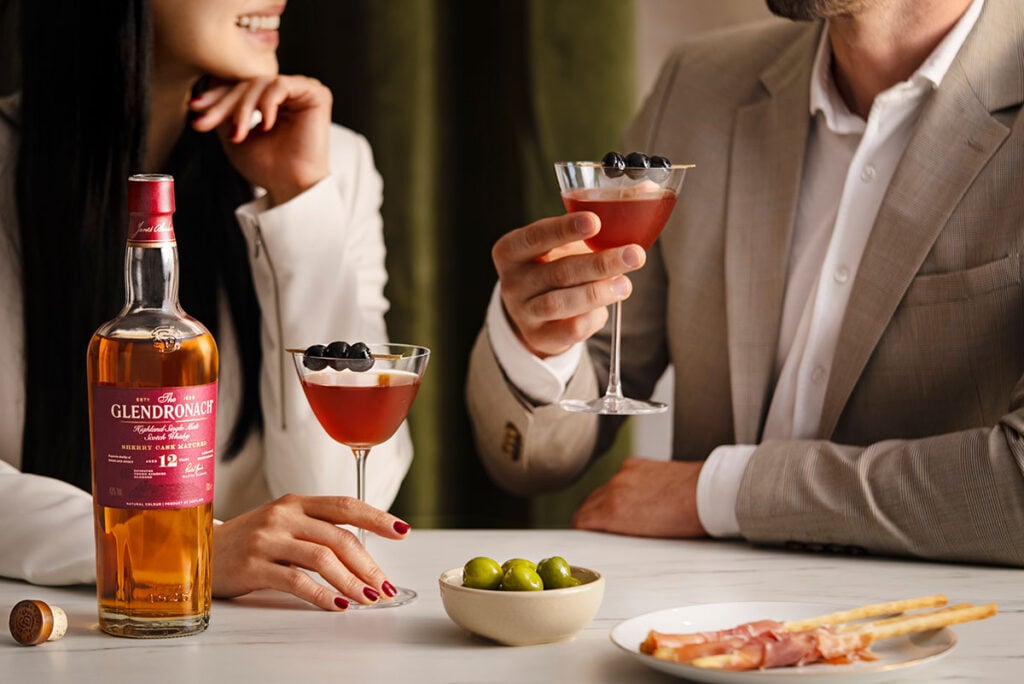
Consider this image a mood board for 2026
Hoarding joy as a kind of moral discipline
Are humans the only creatures who willfully postpone pleasure? Our penchant for the puritanical, which comes in waves of severity, frames restraint as a virtue. Our homes contain vast symbols of future happiness, sitting there quietly, save for the odd accusatory glance. “Did you think you deserved me? Or were you waiting to become someone else first?”
People will sooner drink something they deem worse because it’s apparently better suited to that moment than open too fancy a bottle. What the hell does that say about how we treat the present?
Eventually, we straight up forget we even have the good stuff. Sometimes we find them and realise there are people we can no longer share them with. Your resolve strengthens to start Carpe Diem-ing all over the shop. Then, eventually, inevitably, we revert to the default.
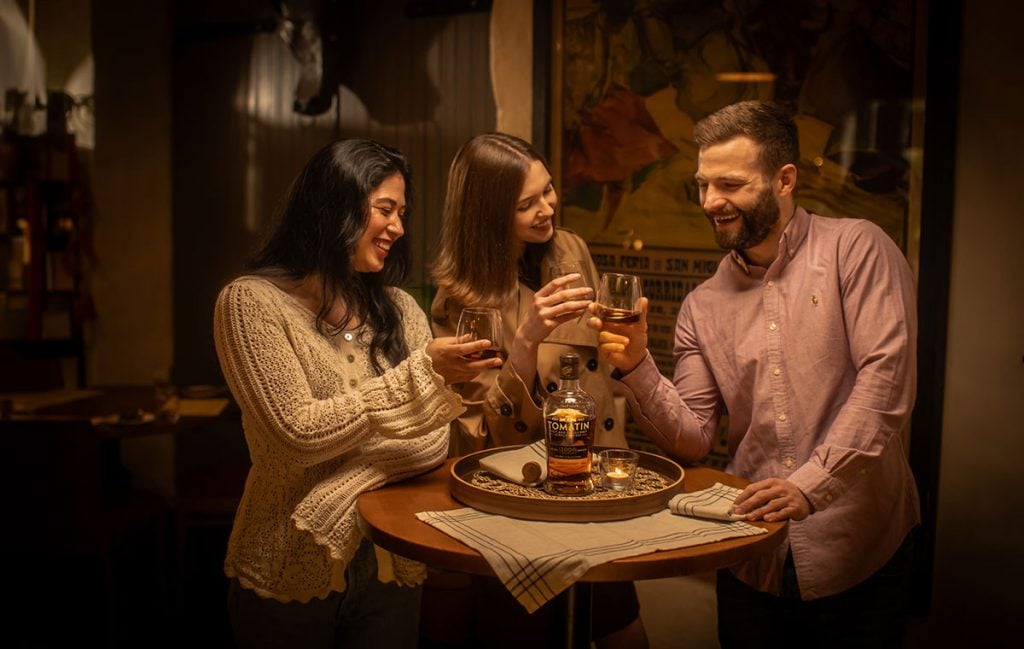
Making memories with a fine whisky in hand. Who says no?
The “drinkie”
I am what you might call a “drinkie*”, for want of a better word, in the same way people are foodies. A person who cares deeply about what is in the glass, where it came from, and why it tastes the way it does.
Many of us fit that definition, but it’s a little taboo to talk about it too openly and often. But this is not a rallying cry for excess. Of course, moderation and responsibility matter, just as they do with food.
This is about drinking better, not more, and treating pleasure as a consequence of existence to be seized and not a reward that must be unlocked.
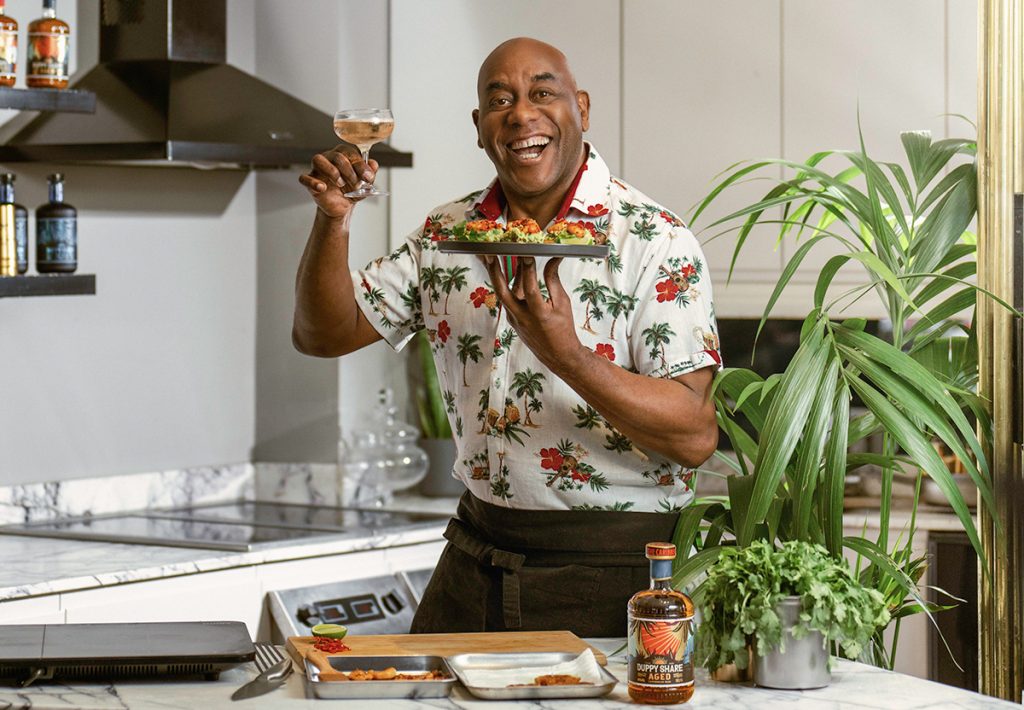
This is the vibe. Learn from this man.
How to Cook a Wolf
This philosophy (too grand a word, really, but we move) calls to my mind a wartime cookery book. Some left turn, that wasn’t it? But what sounds like a guide to gruel is actually a philosophical middle finger to deprivation, fear, and joyless survival: M.F.K. Fisher’s classic How to Cook a Wolf (1942).
Fisher writes during rationing, scarcity, and anxiety, and yet insists that eating well still matters. If our basic needs are food, security, and love, as Fisher sees it, then pleasure becomes resistance, as eating badly out of fear or false virtue is its own kind of surrender. If this were just a WW2-era “I won’t let the terrorists win” excuse to house a tub of ice cream, I would say more power to it. But there’s more at play here.
There is dignity and self-respect in what we consume. Feeding and watering yourself properly is a form of love, and in times of economic anxiety, burnout, or cultural scarcity, there is power in even the smallest forms of resistance. Fisher attests that a good meal improves morale. That a small glass of wine can be a great comfort. One good thing is better than three indifferent ones. And that there is no more dangerous folly than that of toughing it out alone.
Amidst hustle culture and wellness guilt, it’s easy to mistake deprivation with virtue. To postpone the good stuff for a life that may not arrive. The wolf is always at the door, Fisher says. The trick is how we feed him.
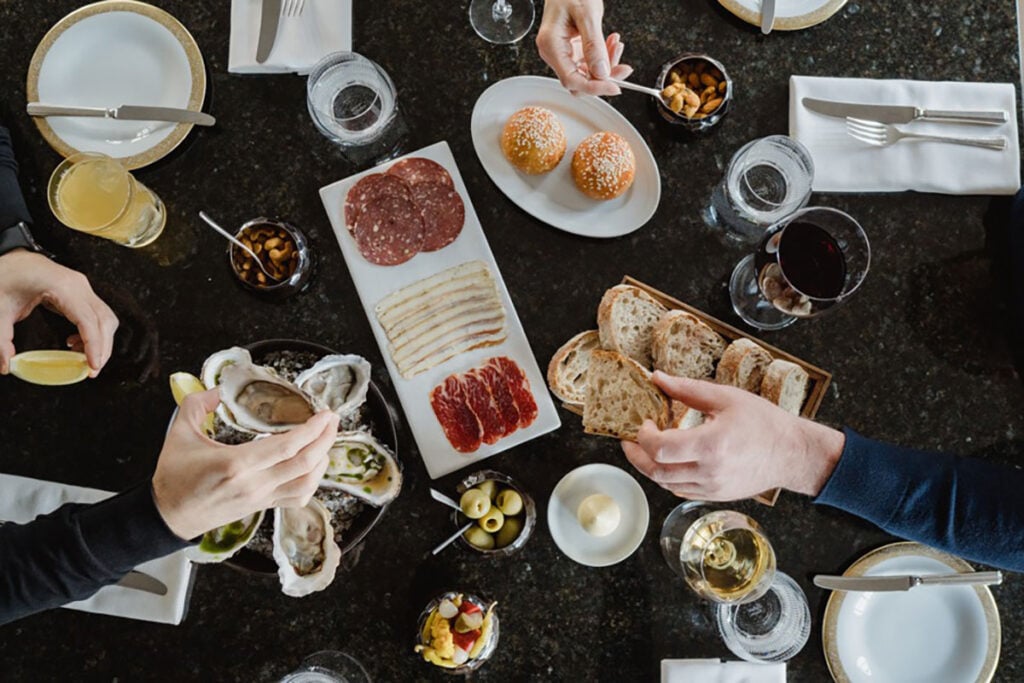
How we eat, how we approach the act of eating, matters.
The Pleasures of Eating
If Fisher defends pleasure in hard times, Wendell Berry interrogates the systems that make pleasure possible in the first place. His essay, The Pleasures of Eating (1990), opens with this sentence: Eating is an agricultural act.
Berry’s argument is simple. How we eat shapes how the world is used. To eat responsibly is to understand the complex chain of soil, labour, craft, transport, and care that brings food to the table.
This thinking translates cleanly to drink. To drink responsibly is not just about units or restraint. It is about understanding what is in the glass. Who made it, where it came from, and if the system behind it is one you want to support.
Berry urges us to participate where we can, to prepare our own food, to learn origins, to deal directly with producers, and to understand the economics and technology behind what we consume. The same applies to spirits.
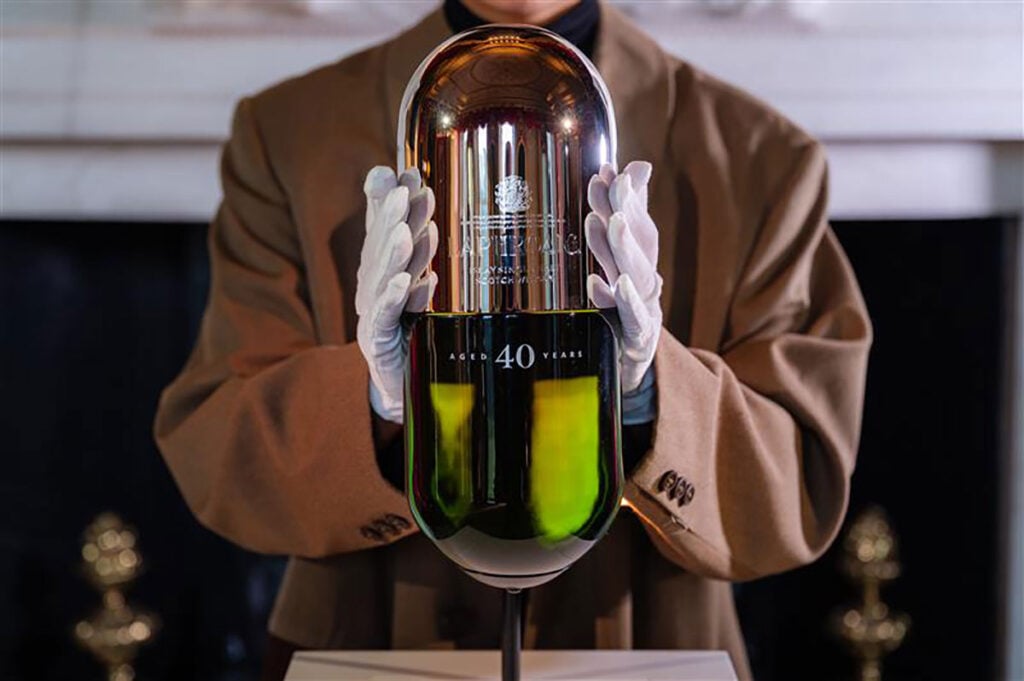
You could collect whisky all your life. And you could die having never tried a drop of it.
To drink responsibly is to live free
There is politics in food and drink, whether we like it or not. Pretending otherwise is a luxury we no longer have. Every bottle carries baggage. Kristy pointed this out on social media just last week.
Employment and labour conditions. Pay, unions, sick leave, parental leave, and hours worked. Economics and power. Tariffs, taxes, duties, shareholder dividends versus community investment. Culture and consequence. Who drinks it, what they vote for, what they tolerate. Impact and definition. Environmental cost, packaging, shipping, geographical indications, and production rules. Drinks reflect geography, climate, history, and culture, telling stories about them better than most authors can.
Berry reminds us that passive consumption is not a democratic condition. When we surrender all control over what we eat and drink, when we stop asking how it was made, how far it travelled, or who benefits, we give up a small but meaningful piece of our freedom.
So visit distilleries. Learn about fermentation. If you ask why you can buy tomatoes in winter, and what that means, extend that logic. Interrogate why a whisky tastes coastal, and if that even means anything. Support producers who care about place, people, and process. Drink with understanding and with gratitude.
The fullest pleasure, Berry argues, is pleasure that does not depend on ignorance.
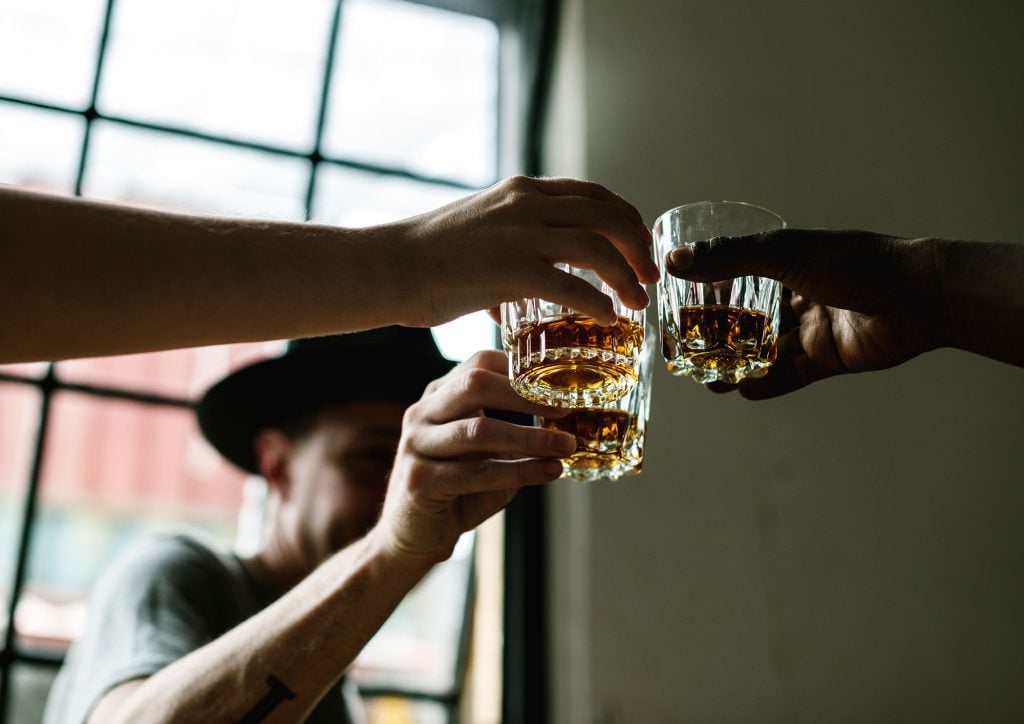
Here’s to savouring something special just because we can.
Enjoy life – feed the wolf
Most of life is made up of routine. Attending to the quality of what we eat and drink is the most accessible way of turning each day into something meaningful.
Think about your happiest memories. At least in my life, they often include a table full of friends, good food, and a bottle that did not survive the evening. You could probably write a better autobiography by listing your favourite meals and best nights at the pub than by cataloguing achievements or recalling dates of note.
So, this year, call a friend. Sit down. Stay a while. Drink the good stuff.
Sláinte.

What’s in your glass?
The 2026 Good Stuff Diaries
Consider picking yourself up something special today. I’ll be updating this blog periodically with a list of some of my favourite things I’ve had this year.
Tamdhu 18 Year Old – The most underrated sherried whisky in the world? A corker of a dram.
Ardbeg 10 Year Old Cask Strength – You can read more thoughts here.
Cardhu 12 Year Old – 1980s – So fruity. Mangoes in vanilla ice cream.
*We will need a better word than “drinkie”. Write in.
