
Agricole Rhums don’t taste like the rum you probably grew up with. It is not sticky-sweet, but grassy, feral, mineral, alive. Like someone bottled the energy of the field, the sunshine, the slightly unhinged farmer with a machete.
Why you should learn to love Agricole Rhum
Rhum agricole is made from fresh sugar cane juice rather than molasses. Molasses is a cooked by-product of sugar refining that brings deep, dark, caramel and treacle notes, while fresh sugar cane juice captures the green, vegetal notes of crushed herbs, citrus peel, olive brine, white pepper, wet stone, and sometimes a glorious whiff of funk that comes from the cane itself*.
It can be challenging. It’s also beautiful. And almost always interesting. Yes, it’s an acquired taste. But once it clicks, there is no going back. Agricole sits alongside mezcal as a spirit that wears its origins openly, shaped by indigenous practice and local agriculture, revealing terroir through raw materials, climate, and the hands that turn the crops into culture.
For 2026, give it a proper chance. Neat, and in cocktails. Have a proper little explore. Read our 101 to agricole here, and grab yourself a bottle. Start here, with our top 10 awesome Agricole Rhums.
Top 10 Agricole Rhums you need to try
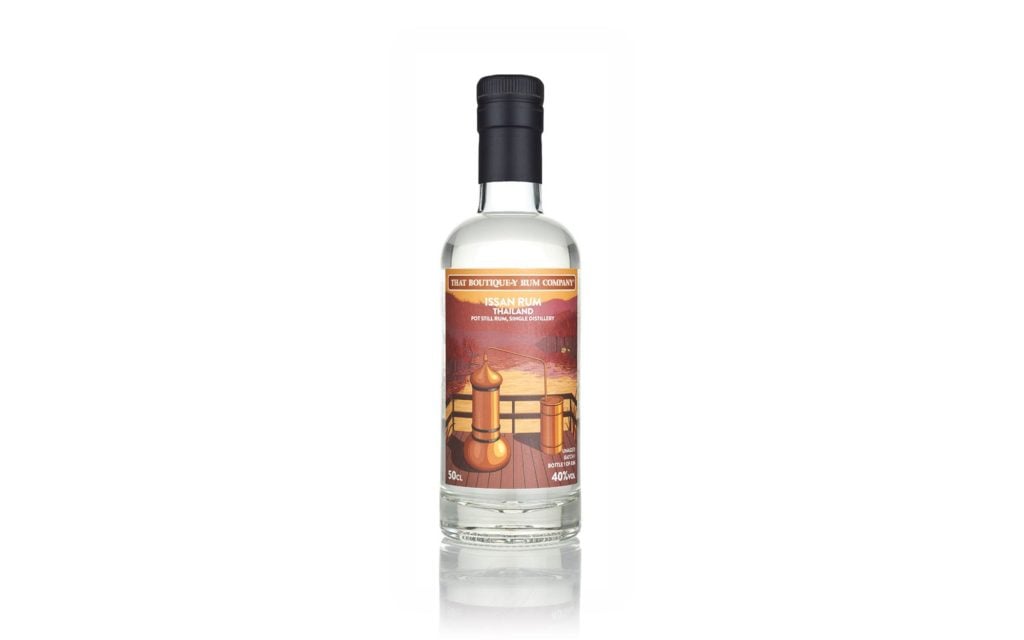
Issan (That Boutique-y Rum Company)
Origin: Thailand.
Agricole, but make it Thai. Issan is distilled from red sugar cane juice in north-east Thailand using a copper pot still, and it tastes like nothing else on this list. Grassy, savoury, faintly fruity, and wonderfully complex, with a proper sense of place. Bonus points for sustainability, community focus, and not playing it safe.
Drink it like this: A Ti’ Punch. Lime coin, sugar, no excuses.
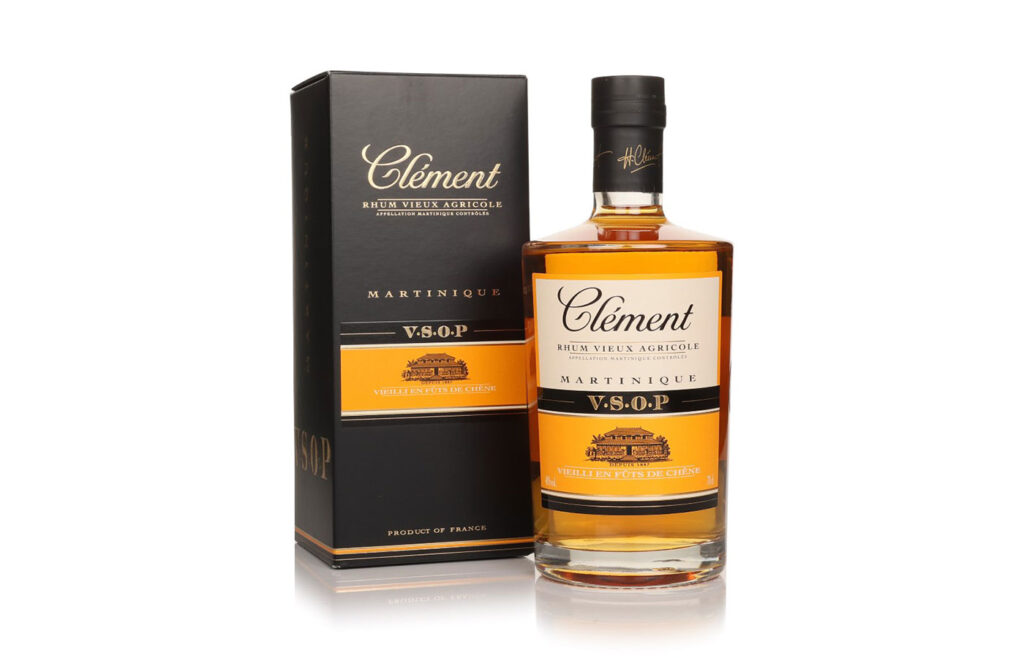
Clément VSOP
Origin: Martinique.
Martinique is one of the true homes of Agricole Rhum. Clément VSOP is a fine example of an aged agricole, one that spends time in virgin French oak before a longer rest in re-charred bourbon barrels. This gives it polish without sanding off the edges, making it a good gateway agricole. Expect peppery spice, stewed fruit, minerals, and a gentle oak sweetness.
Drink it like this: A Rum Old Fashioned. Cane sugar, bitters, and orange peel. Let it flex.
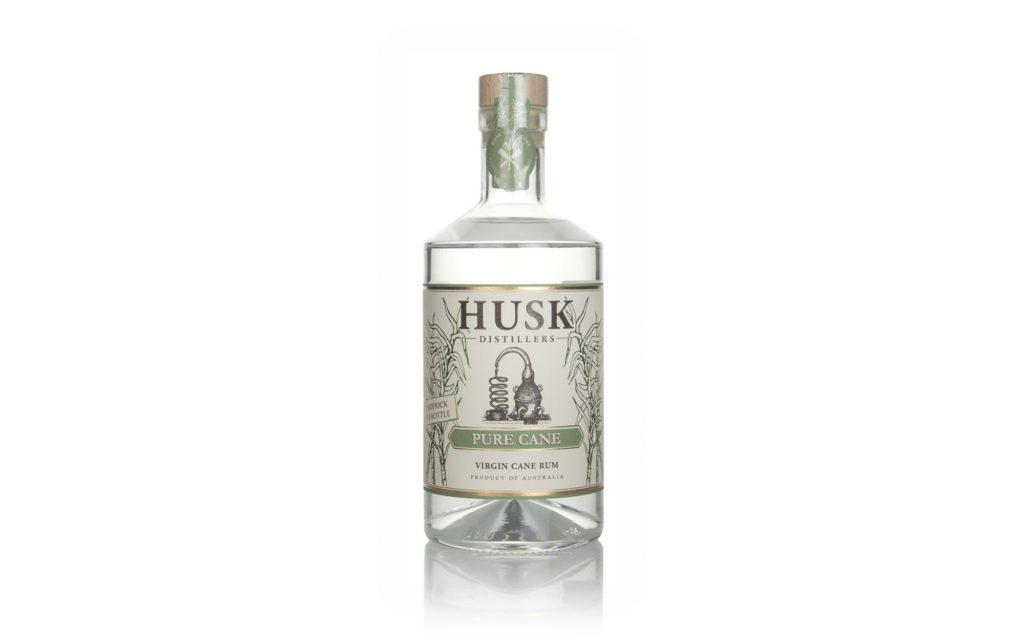
Husk Pure Cane
Origin: Australia.
Unaged, unapologetic, and proudly Aussie, each bottle of Husk tells you the cane variety and harvest year, which is the sort of detail agricole nerds quietly dream about. You might note we’ve already moved away from the Caribbean twice. The world of rum is wide. Get ready to explore. Here, you’ve got a fresh, grassy, vibrant agricole ideal for cocktails where you want the cane to shout.
Drink it like this: A most mighty Mojito. Just add lime, mint, soda, and sunshine.
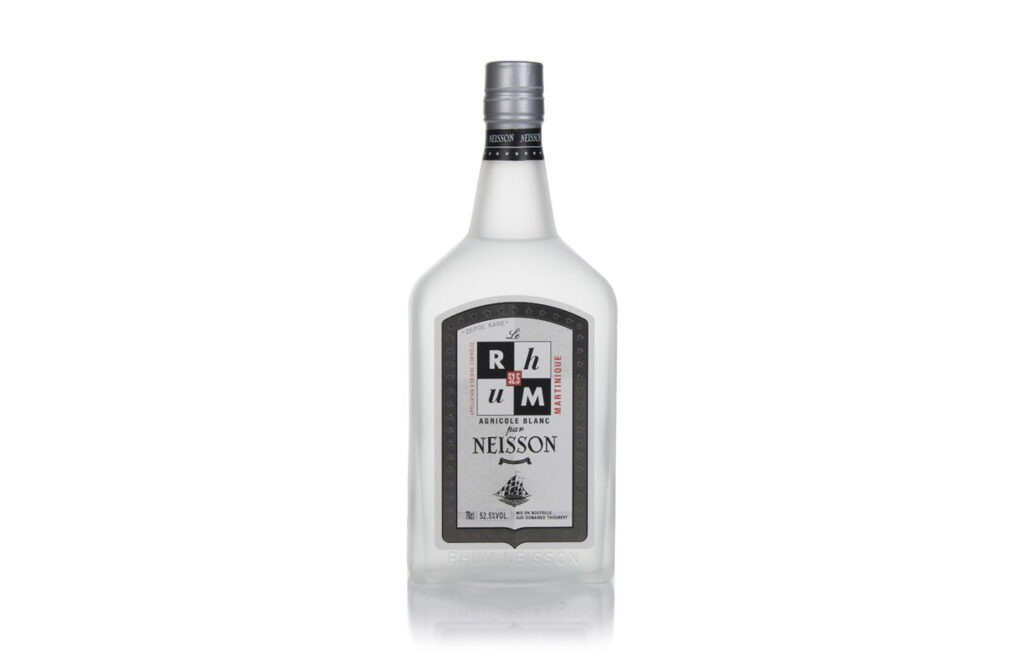
Neisson Blanc
Origin: Martinique.
The kind of rum people pour each other at trade shows with knowing nods, Neisson Blanc comes from a family-run distillery founded in 1932. Distilled on a Savalle column still using locally grown cane juice, this is razor-sharp, aromatic, and deeply expressive. Plus plenty of citrus and white pepper snapping at the edges.
Drink it like this: The Daiquiri. Rum, lime, sugar. Nothing else. Respect the classic.
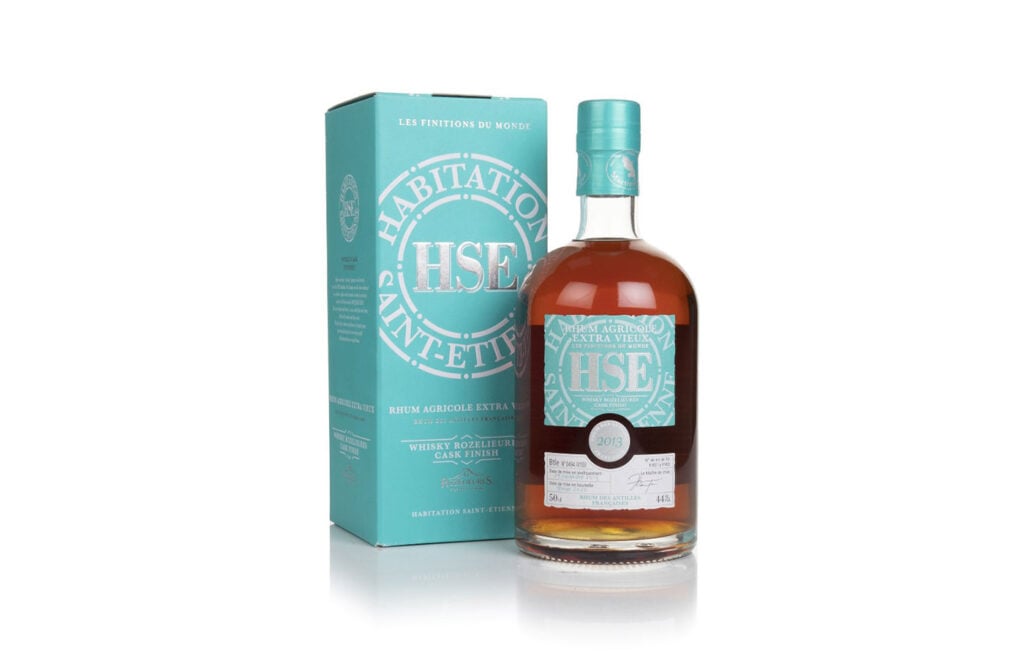
Habitation Saint-Étienne Rhum Whisky Rozelieures Cask Finish
Origin: Martinique.
Agricole meets whisky here, and it absolutely works. French whisky casks bring malt, toast, and oak structure to HSE’s naturally herbaceous spirit. The result is rich, savoury, and dangerously sippable. If you like whisky and think agricole rhums sound intimidating, start here.
Drink it like this: Neat, preferably in silence. Take time to figure out the rum. And yourself.
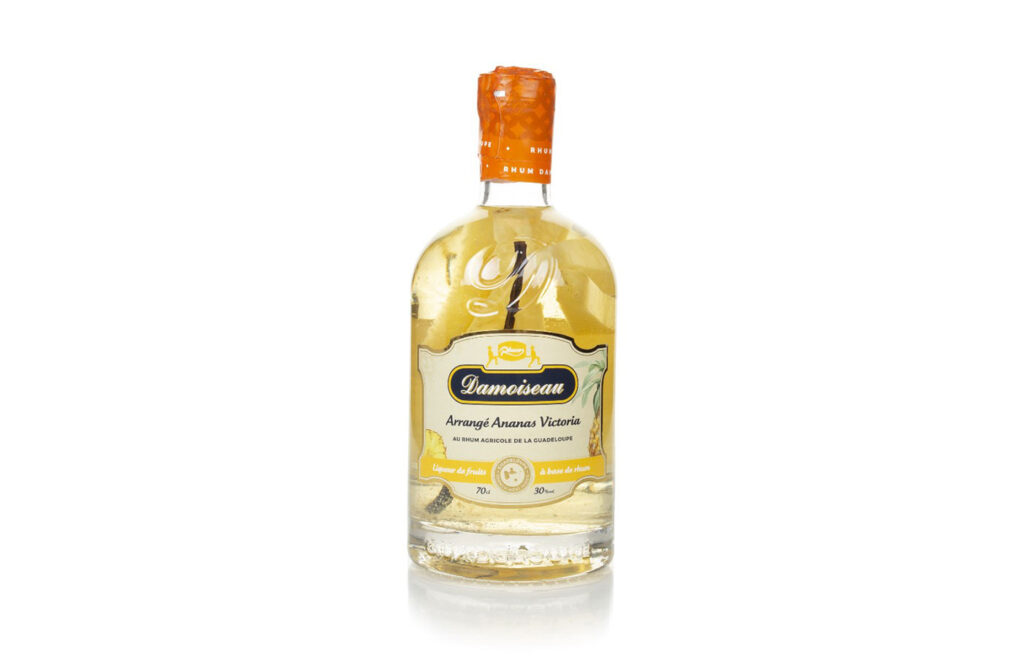
Damoiseau Les Arrangés Pineapple
Origin: Guadeloupe.
Agricole plus actual fruit equals joy. Victoria pineapple and vanilla pod balance the grassy core beautifully, creating something playful but still rooted in agricole character. If you like the sound of something funky, fruity, and very easy to love, look no further.
Drink it like this: Chilled, neat, to let it bring the summer vibes wherever you are.

J. Bally Rhum Agricole Blanc
Origin: Martinique.
Straightforward classic from Martinique. A great introduction to Agricole. Enough said.
Drink it like this: Ti’ Punch. Always Ti’ Punch.

Saint James VSOP
Origin: Martinique.
Bright, grassy agricole notes wrapped in mellow oak influence. Expect caramel, cinnamon, honey, and that unmistakable vegetal backbone. Flexible enough to sip, bold enough to mix, and very good at converting sceptics.
Drink it like this: Rum Manhattan. Yes, really.

Trois Rivières Cuvée de l’Ocean
Origin: Martinique.
Trois Rivières Cuvée de l’Océan is made from sugar cane grown in fields that sit close to the sea. And you taste it. Unaged and razor-fresh, it delivers classic grassy, herbal cane notes alongside citrus peel and a subtle coastal lift that feels more like sea air than salt. Proof, if it were needed, that agricole can express place as clearly as wine.
Drink it like this: Neat to taste the terroir, then in a highball with sparkling water and a long twist of lemon peel. Light, bracing, and dangerously drinkable, it’s your new aperitif that you will forget is made from rum.
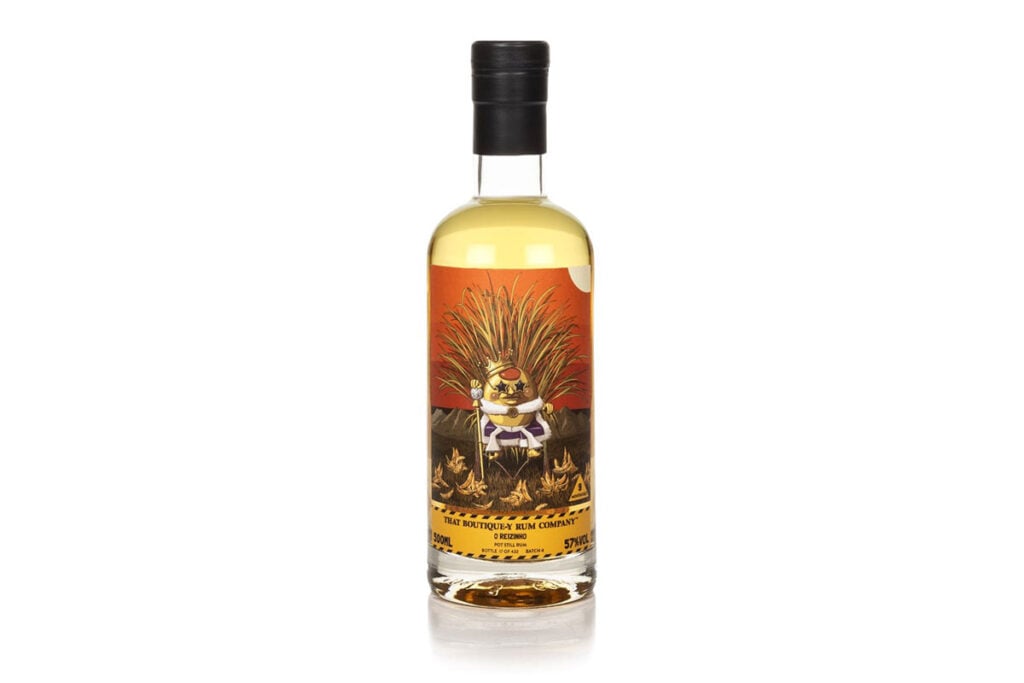
O Reizinho – Batch 4 – 9 Month Old (That Boutique-y Rum Company)
Origin: Madeira.
We ned with agricole from Madeira, in a bottle adorned with the Funky Olive King in full golden regalia. Long live funk. Need another reason? Well, it rested for nine months in a former Madeira wine cask, because of course it did. Richer and rounder than a blanc, with cane freshness layered with fortified wine depth. Get it while bottles still exist.
Drink it like this: Neat, slowly, telling everyone it is from Madeira.
*You can also make rum from cane syrup, which sits between the two, concentrated but still retaining some freshness.
