Trade
Trade

If you read every drinks trends report for 2026, you would conclude that the next year will involve drinking earlier, drinking louder, drinking locally, drinking less alcohol, drinking more cocktails, drinking more RTDs, drinking sustainably, drinking indulgently, and drinking while staring meaningfully into a candle. All at once.
Some of that is noise. Some of it is marketing. But buried inside the Bacardi Cocktail Trends Report 2026, Monin’s Spring Summer outlook, and wider industry research are a handful of shifts that genuinely explain where drinks culture is heading next.
Here are the five that actually matter.
Top 5 Drinks Trends for 2026
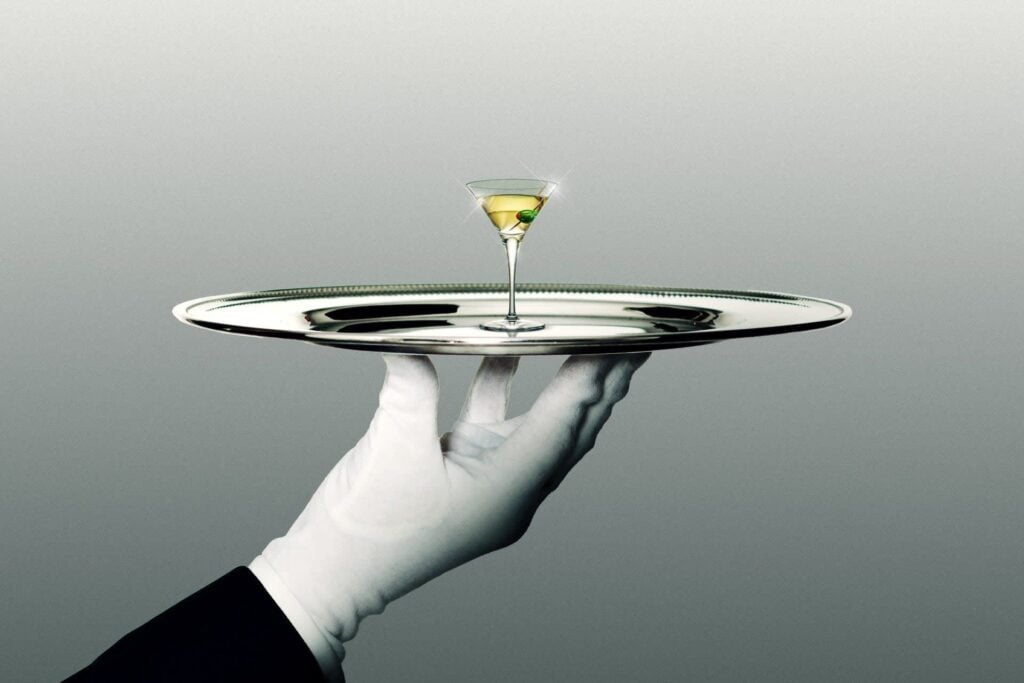
What is this, a cocktail for ants?!?! Image credit: Wine Enthusiast
1. The daycap replaces the nightcap
The biggest behavioural shift is not what people are drinking. It is when.
Across multiple markets, consumers are moving their social drinking earlier in the day, favouring late afternoon and early evening serves over late-night sessions. Bacardi’s Global Consumer Survey shows significant numbers heading out earlier in Spain, India, Italy, Australia, France, and the UK, with Gen Z leading the charge rather than abstaining altogether. In the UK, the average dinner reservation now sits at 6:12 pm, with just 2% booked after 9 pm (Zonal, 2025).
This is not sobriety. Lighter serves, lower ABV, smaller formats, and drinks designed to complement the rest of the day rather than wipe it out. Aperitifs, spritzes, mini Martinis, and sweet-leaning cocktails dominate because they fit this moment. Aperitif sales grew at an 8% CAGR between 2018 and 2023, with further growth forecast through 2028 (Putting on the Spritz, 2025).
The key point is that people are still going out. In fact, 72% of consumers say they visit bars weekly, and 38% expect to go out even more often in the coming months (CGA by NIQ, 2025). They are just doing it on their own terms.

Handshake Speakeasy won the title of World’s Best Bar 2025. Drinks like this helped.
2. Maximalism returns, but only when it earns its keep
In what seems like a conflict with the previous trend, most round-ups also say maximalism is back. Loud luxury. Bottle-served cocktails. Theatrical glassware. Sensory overload. The Bacardi report calls it More Is More Mixology, and the data support it. In Spain, 40% of consumers say they would post a cocktail photo if the setting feels extraordinary. In Germany and Spain, cocktails have overtaken Champagne as the drink of choice for celebrations.
Consumers are drinking lighter and earlier, but when they go big, they want the experience to justify the spend. Multi-sensory cocktails rank as one of the top reasons people will trade up, particularly among younger drinkers in the UK, Spain, and the Netherlands (Bacardi GCS). Eight in ten global bar professionals report trading up to more premium spirits (Bacardi GBAS), with Tequila leading premium growth worldwide.
The takeaway is simple. Maximalism works when it feels intentional, playful, and worth the money. It fails when it feels empty, try-hard, or detached from flavour.
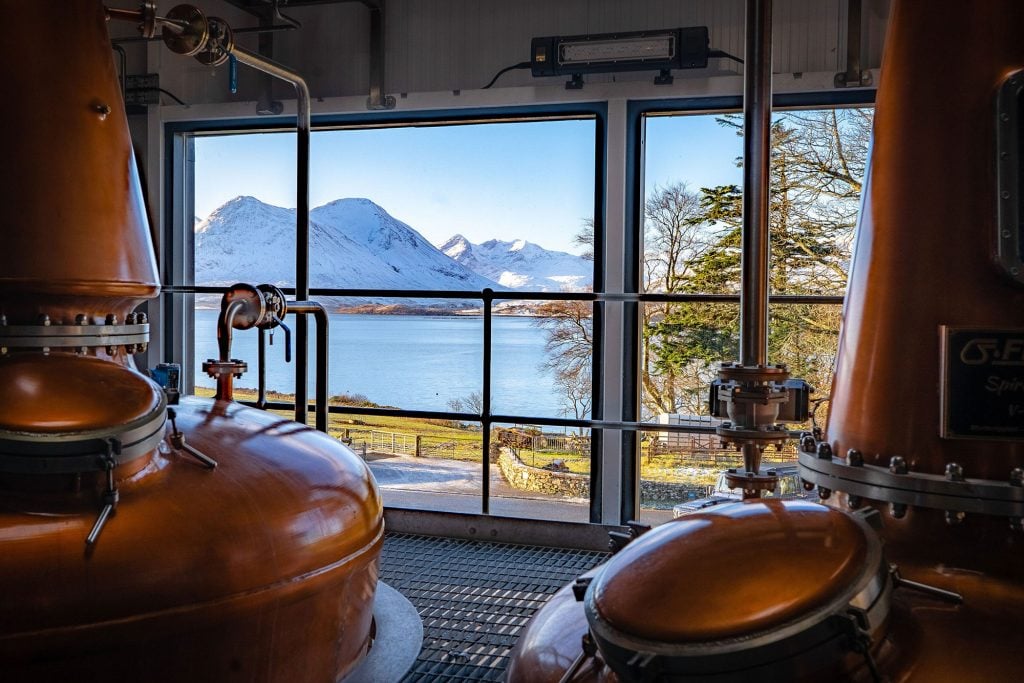
You need to be considering what’s on your doorstep as a producer of drinks
3. Locality shifts from virtue signalling to operating system
Local ingredients are no longer a nice story. They are structural.
Between changing trade conditions, ingredient shortages, and looming regulatory requirements around transparency, bars are being forced to rethink sourcing. Over 77% of consumers check region of origin labels, and upcoming QR-based lifecycle data requirements will only deepen that expectation (NSF, 2025).
This is where New Localogy emerges as something more than marketing language. Bars are experimenting with citric acid in place of citrus, fermentation in place of imports, and house-grown ingredients to stabilise supply chains. From Teeling’s rooftop honey in Dublin to Alquímico’s agricultural project in Cartagena, locality is now tied directly to flavour, cost control, and resilience.
Crucially, consumers reward this when it tastes good. Buying local ranks as the number one sustainability theme across multiple regions, but it only holds value if the drink delivers. Sustainability without flavour will not survive the next price rise.

What defines a product as premium isn’t just price, at least not in the consumer’s mind
4. Premium becomes cultural, not just expensive
Perhaps the most important shift is how premium is defined.
Price alone no longer guarantees prestige. Cultural relevance does. Bacardi’s research shows that 70% of emotionally engaged consumers spend twice as much on brands they feel connected to (Capgemini, 2022). For Gen Z in particular, premium means alignment with identity, values, and moments that matter.
This explains why spirits brands are showing up at electric boat races, fashion shows, music festivals, and pop-up cultural spaces rather than relying on bar shelves alone. It also explains the rise of cocktails as intellectual property. Menus as magazines. Bars as lifestyle brands. Signature serves becoming merch, candles, playlists, and experiences that live beyond the glass.
At the same time, consumers remain wary of automation. While they want personalised recommendations, they want humans to deliver them. In Spain, 64% say AI could never replicate the artistry of a bartender. They’re right.

Does whisky suffer from too much noise?
5. Whisky embraces the post-hype era?
Maybe I’m more hopeful with this one than expecting, but I think the most significant shift in whisky is not about flavour or finishes. It is about restraint.
After a decade of expansion, speculation, and endless releases, whisky is entering a post-hype phase. Rising costs, uneven demand, and stock pressure mean that scaling at all costs is no longer clever. It is risky.
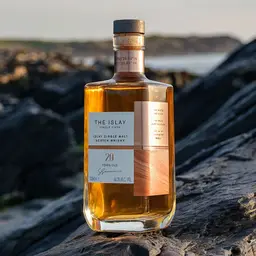
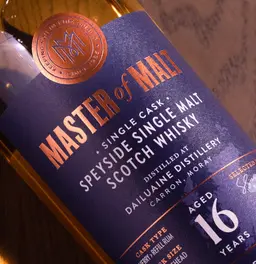
The distilleries best placed for the next decade are those choosing controlled scarcity over artificial rarity. Fixed output. Fewer markets. Long-term allocation built around loyalty rather than flipping. Scarcity stops being a marketing trick and becomes a structural decision. Whisky learns, finally, that being everywhere is not the same as being valuable.
The drinks trends for 2026 we need to leave behind: innovation as noise
Whisky is not short of innovation these days.
Endless releases designed to fill calendars rather than say anything meaningful have trained drinkers to skim and move on. New names, new labels, new finishes appear, disappear, and leave nothing behind. The result is fatigue, not excitement.
As the category matures, this behaviour will be punished. Consumers are more selective. Collectors are tuning out. If a whisky cannot be explained simply, tasted clearly, and justified honestly, it does not deserve to exist. Whisky does not need to be louder. It needs to be braver about saying no.