
Why does whisky have to be three years old? Is it time to overturn the 1915 Immature Spirits Act? Dave Worthington (AKA Boutique-y Dave) asks and answers some big questions.
I’ve hosted numerous tastings over the years, and I always want to share my passion for this wonderful spirit, so that hopefully someone else will find the enthusiasm to embark on their own journey of discovery. I want my tastings to be as approachable as possible, and I always say that there are no wrong questions to ask about whisky. There aren’t, seriously!
Every single one of us knew nothing about whisky until we were introduced to it through books, events, or our friends. I knew NOTHING about whisky when I had my ‘Eureka’ moment, and so had to ask plenty of questions. Sometimes, the information we’ve been given is wrong, though. Just look back through some of the early whisky books, where the mystery of the spirit was often attributed to the water.
Some of the examples I’ve heard over the years…
“You can only make Single Malt in Scotland”
“Bourbon can only be made in Kentucky”
“Only Scotland makes whisky; everybody else makes whiskey”
“Bourbon is OK, but it’s not as strong as Scotch!”
So please, never be afraid to ask questions, even if that means the host has to go right back to basics. If you don’t like asking the question in public (I fully understand that), just grab them after a tasting, or drop them a line.
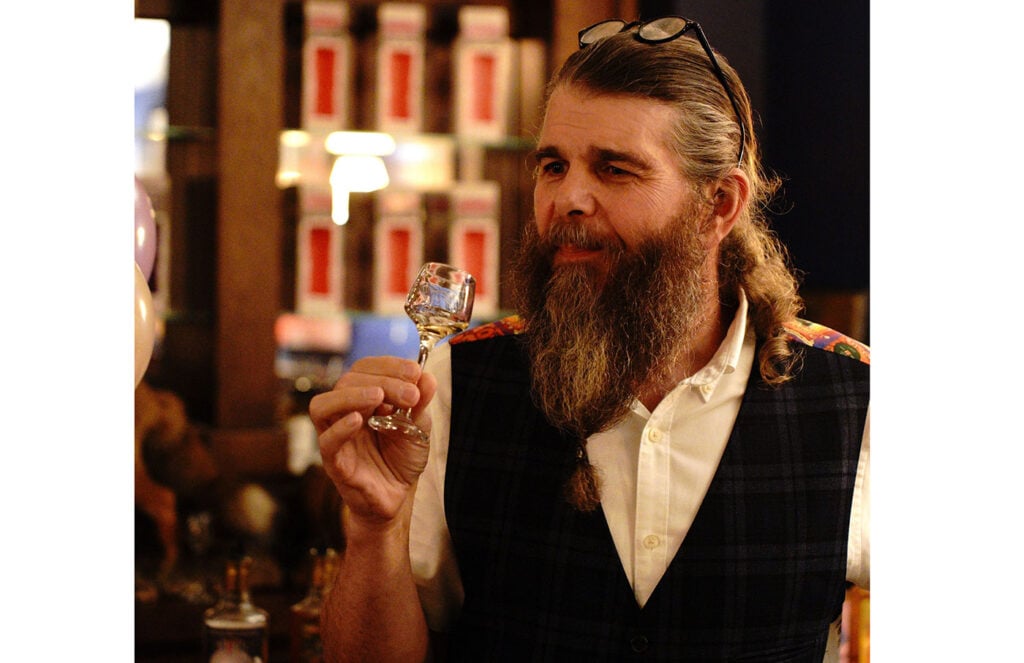
Say hello to Dave, or @BoutiqueyDave as you might know him!
The Three-Year Rule
One question I often ask at one of my tastings is: ‘Why does whisky have to be three years old before it can be called whisky?” It’s a question that’s always bothered me. It’s a question I rarely get an answer to when I ask in a tasting I’m hosting, too. Why was this three-year period of maturation necessary, and when did it start? Technically, if it’s only whisky after sitting in oak for three years, then whisky isn’t made at the distillery at all; it’s made in the warehouse.
Three years isn’t common across the world either; There are no minimum age statements for American Whiskey. While there are strict rules on the manufacture of bourbon, rye, and other whiskeys in the United States, and ‘Straight Bourbon’ must be at least 2 Years Old, there is no minimum age. Then, in Australia, whiskies have to be matured for two years before they can be labelled as whisky.
It is Tequila (or mezcal) when spirit comes off the still in Mexico, and rum or rhum agricole when molasses/sugar cane is distilled, and while I don’t tend to sip white rum (although some of it is wonderful!) I do love blanco agave spirits; try sipping it alongside a traditional Sangrita! There’s also Blanche Armagnac, a clear spirit that’s rested for at least 3 months in inert vessels. However, both wood-matured Armagnac and Cognac have minimum age requirements in wood, based on the season in which the grapes were harvested and the last permissible distillation date.
So why three years in Scotland and Ireland (and the rest of Europe, which has adopted this practice)?
Well, it all harks back to the Immature Spirits Act of 1915.
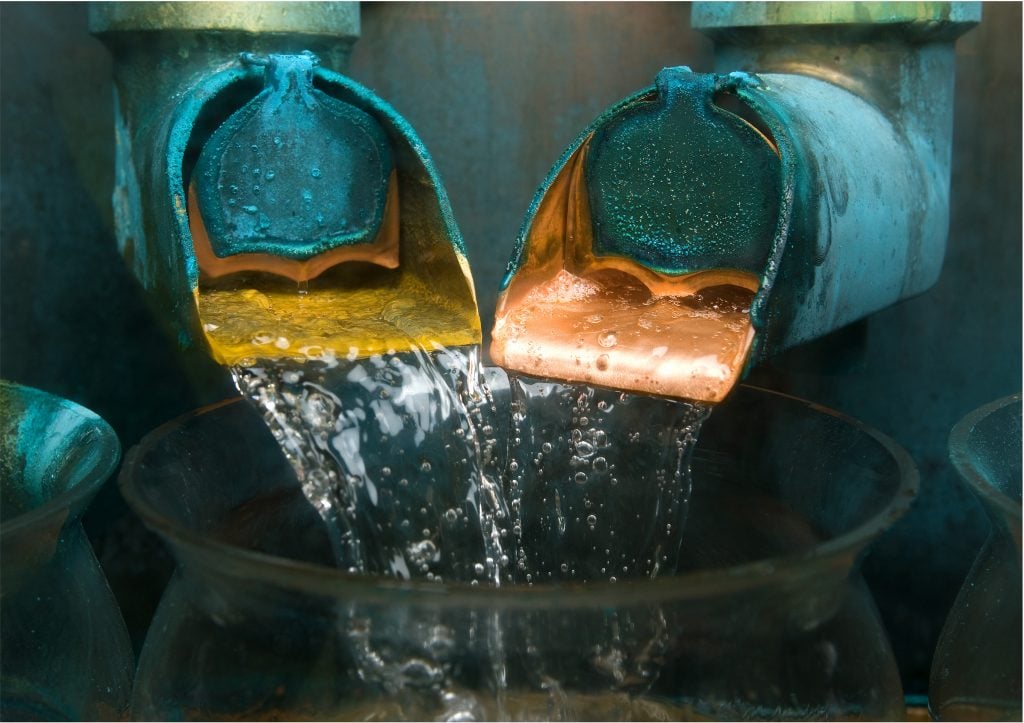
What would you call this: new make? Whisky?
Prohibition and the Immature Spirits Act
When one thinks of Prohibition, one immediately thinks of the United States of America. When the 18th Amendment to the US Constitution (also known as the Volstead Act) was passed in 1919, it made the production and sale of alcohol illegal, and it was in effect from 1920 to 1933. It had a devastating impact on American spirits, wiping out thousands of distilleries. At the time, just 10 licences were granted, and only six were taken up. On 5th December 1933, the 21st Amendment was ratified, making alcohol once again legal in the United States. The 5th of December is now celebrated as ‘Repeal Day’ by US producers and bars.
The threat of prohibition in the UK came a little earlier. Welsh politician David Lloyd George, who became Chancellor of the Exchequer in 1908, was passionately concerned about the problems caused by alcohol, particularly in the wartime context – arguing that drink was doing more harm to the war effort than all the German submarines put together.
Reading The Making of Scotch Whisky, Moss & Hume (1981), it sounds like the drinks industry bore the blame for not delivering the guns and shells that were urgently required at the front, rather than the lack of manpower and equipment, which was more likely the cause. Lloyd George advocated total prohibition of alcohol, but had to make do with a compromise of various measures, including a ban on the sale of spirits aged for less than three (initially two) years under the Immature Spirits (Restriction) Act 1915.
This was both a reflection of the temperance movement’s contention that ‘immature’ spirits caused more drunkenness than those left to age for longer, and also the concern of many in the Scotch whisky industry that irresponsible distillers were padding out cheap blends with large dollops of unaged grain spirit.
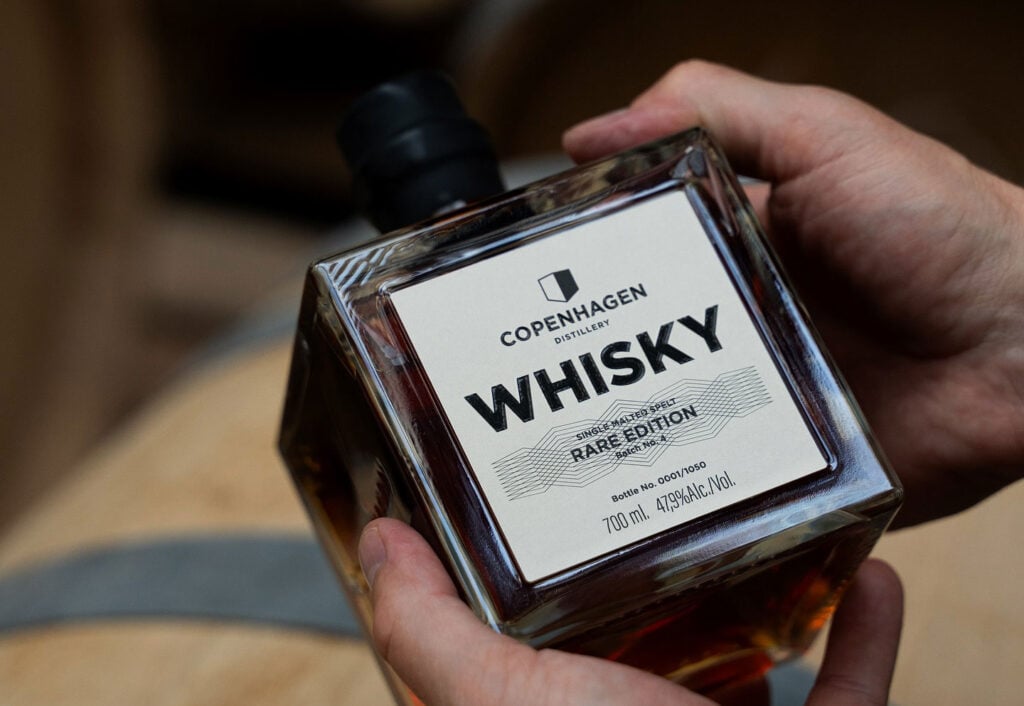
When is a whisky, whisky? As the world expands, our understanding constantly evolves.
Am I on my own here?
While I understand the reasons for Scotch and Irish whisky/whiskey to maintain their three-year rule, I don’t understand why the rest of Europe, and most of the world, followed suit. I’ve tasted some amazing ‘new make spirit’ that I’d sip! In fact, we drink rum and agave spirits straight off the still; why not whisky?
I’ve also tasted some very young whiskies from English distilleries that have been in casks for less than six months, that have picked up a decent hue of colour, and some tasty flavours that I would certainly define as whisky.
I think it’s about time the 1915 Immature Spirits Act is overturned. Whisky should be made in the distillery, and not the warehouse!
Am I really on my own here?
