
Jim Beam will pause production at its main Kentucky distillery for the entirety of 2026.
For a brand of this scale, that decision matters. Owned by Suntory Global Spirits, Jim Beam has framed the move as an opportunity to invest in site improvements and better align output with expected demand. Bottling, warehousing and the visitor centre will continue to operate. What stops, for now, is the production of new American whiskey at its primary site.
This is not a closure. But it does signal a broader shift across the whisky industry, one that marks a move away from relentless expansion and towards consolidation.

As Jim Beam pauses production, this stillhouse will have a quiet 2026
From confidence to caution
The 21st century has largely been a growth story for whisky. Momentum built steadily, accelerated through the 2010s, and peaked around the pandemic. New distilleries opened, stills multiplied, and warehouses filled at unprecedented rates, all backed by strong global demand and long-term confidence.
The COVID years brought their own boom and correction. By 2025, the industry adopted a more measured view of how much spirit it truly needs to make.
In Kentucky, bourbon inventories sit at record levels, with millions of barrels maturing across the state. Those stocks promise future sales, but they also bring storage costs, tax burdens and pressure on cash flow. Against that backdrop, slowing production looks less dramatic and more pragmatic.
Trade uncertainty has added to the caution. Tariff disputes and disrupted export markets have complicated forecasts, particularly for producers that invested heavily in global growth. Demand has not collapsed, but the industry now prioritises balance over bravado.
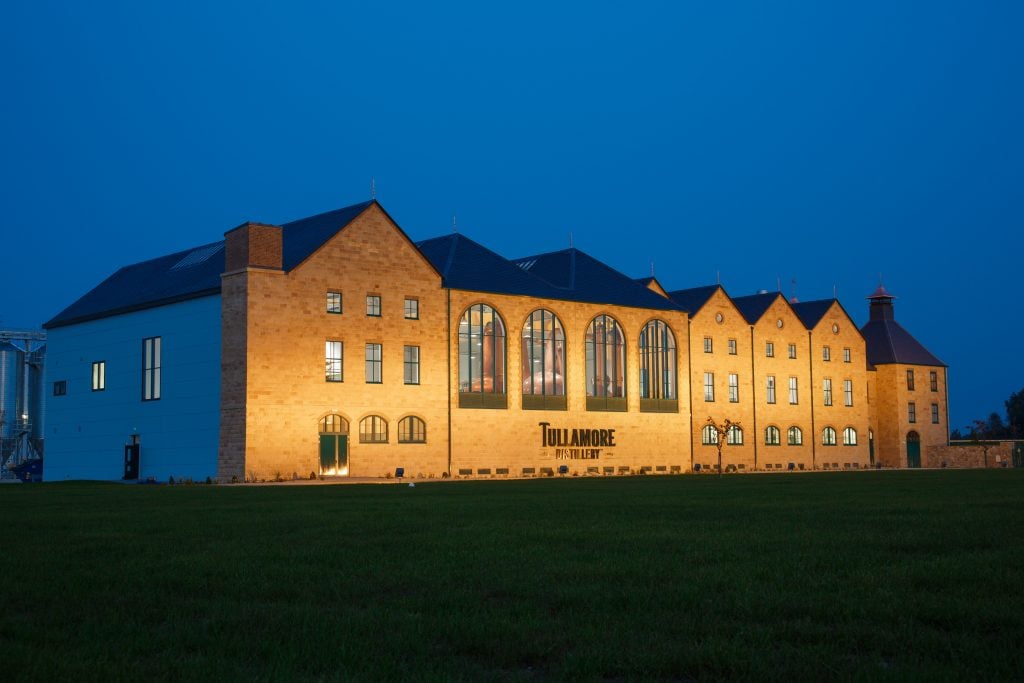
After so much optimism, Irish whiskey has had to recalibrate in 2025
Ireland shows the shape of the slowdown
Jim Beam’s decision sits within a clear pattern of production pauses and temporary shutdowns across the global whisky industry in 2025.
In the United States, Diageo temporarily paused production at its carbon-neutral Kentucky distillery, Lebanon, to boost efficiency earlier in the year. The same owner has also halted output at three other sites: Balcones in Texas, George Dickel (Cascade Hollow) in Tennessee, and Teaninich in Scotland, with operations suspended until mid-2026 as part of a company-wide capacity review. Elsewhere, Brown-Forman’s Glenglassaugh announced a production pause in January 2025.
Irish whiskey has perhaps had the most sobering 2025. A string of temporary stops began at larger operations, including Midleton and Tullamore. Then Dublin Liberties Distillery temporarily halted distillation in May as part of a market reassessment, and shortly after, Roe & Co did the same.
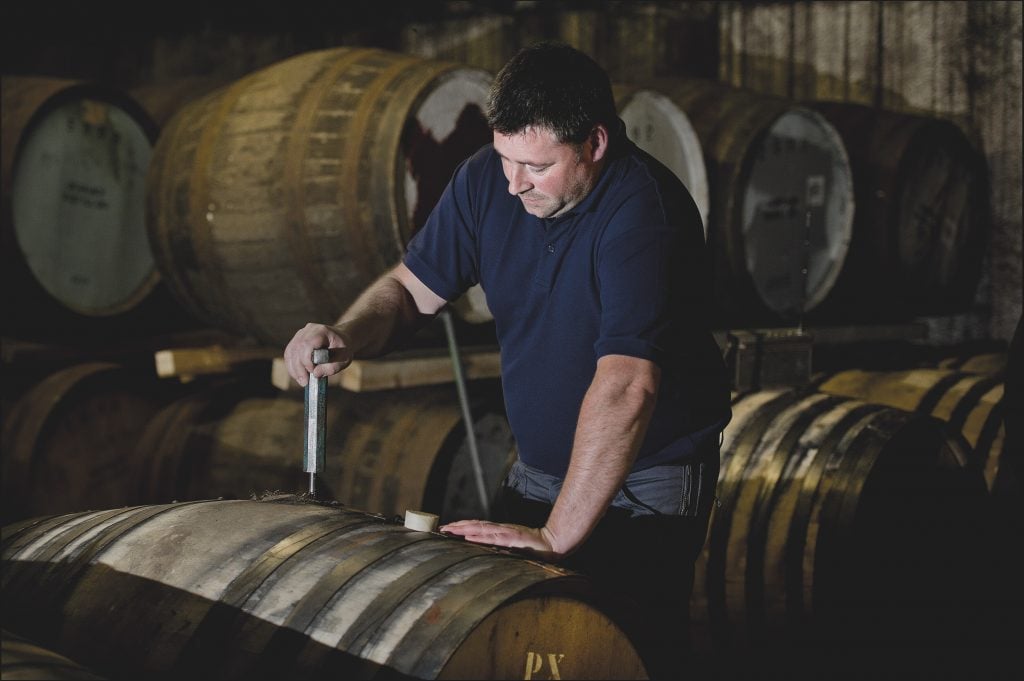
Distillery workers are affected by these changes more than us drinkers
The human cost and the long view
Production pauses are never purely operational. They affect livelihoods, communities and confidence. Even when companies stress redeployment and future investment, a silent still creates uncertainty for those who depend on it.
Yet pauses can also be protective. Overproduction has undone distilleries before, leaving warehouses bloated and finances stretched. Slowing output today can help safeguard jobs and brands tomorrow.
Whisky has always moved in cycles, often captured by the idea of the whisky loch. What feels different now is transparency. Producers speak more openly about slowing down, presenting pauses as responsible production rather than quiet failure.
Jim Beam pauses production: What can drinkers expect?
For consumers, the short-term impact will be minimal. Most whisky bottled over the next few years was distilled long ago. The effects of today’s decisions may emerge later through tighter release schedules, fewer experimental launches, and a renewed focus on core ranges.
Jim Beam’s decision does not signal retreat. It’s a recalibration. The industry is trying to find its sweet spot after years of rapid growth. At some point, speed must give way to sustainability. We can’t risk creating another Whisky Loch.
This is not the end of whisky’s momentum. We need to pause for a breath before the next phase begins.
