
Boutique-y Dave himself, Dave Worthington, joins us on the blog to chart a history of American single malt. In part two, Dave takes a closer look at Virginia Distillery, one of the creators of the style.
When considering Single Malt Whisky, Scotland, and perhaps Ireland, immediately come to mind.
Scotland is widely regarded as the spiritual home of single malt Scotch whisky, boasting a deep history and tradition of distillation. Although single malt whisky is now made globally, Scotland’s strong association persists due to its worldwide reputation for producing diverse and high-quality whiskies. Scotch single malt has served as the inspiration for numerous distilleries worldwide, and I’ve often heard founders share the stories that first led them to the craft of distilling.
American whisky typically brings bourbon to mind, although the original American spirit was certainly Rye whisky. Bourbon is a specific standard of identity, formally defined by U.S. statute. In 1964, to ensure trade protection and prevent misuse by foreign producers, much like the protection granted to Scotch whisky or French Champagne, Congress declared bourbon a “distinctive product of the United States.”
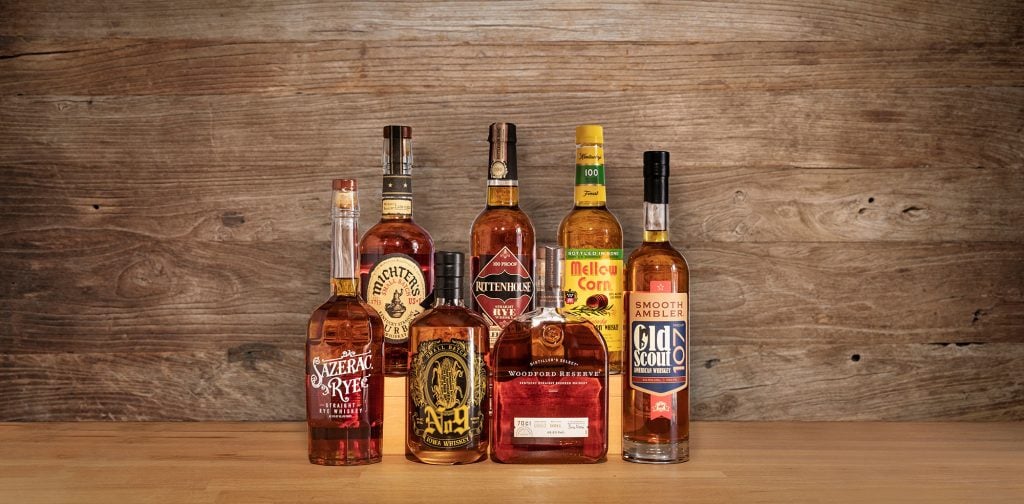
This is what most think of when describing American whiskey. But one newer style is missing.
American Single Malt Whisky – The Pioneers
The origin began in Oregon
The concept of producing single malt whisky in the U.S. began to take shape in the late 1990s and early 2000s, driven by the rise of the American craft distilling movement. The first American single malt whisky commercially available in the United States was McCarthy’s Oregon Single Malt whisky in 1996. In 1985, Clear Creek Distillery was founded by Steve McCarthy initially to use the locally available fruits to produce brandies.
McCarthy, like many distillers, had a life-changing experience with single malt whisky while travelling to Ireland and thought adding a single malt, peated whisky to his lineup in Oregon would be a great idea. He is widely recognised as a pioneer in the American single malt category.
Some other key ‘early players’ in the rise of American Single Malts
St. George Spirits in Alameda, California, started distilling malt whisky in the early 2000s.
Stranahan’s distillery, founded in 2004 in Denver, Colorado, had a vision to create a unique American single malt whisky using 100% malted barley, Rocky Mountain water, and new charred oak barrels.
In Waco, Texas, Balcones was founded by a group of friends who were passionate about single malt whisky and wanted to create a new kind of American whisky. They started distilling in 2009, and their first Texas Single Malt whisky was released in 2012 and quickly won “World’s Best Single Malt Whisky”.
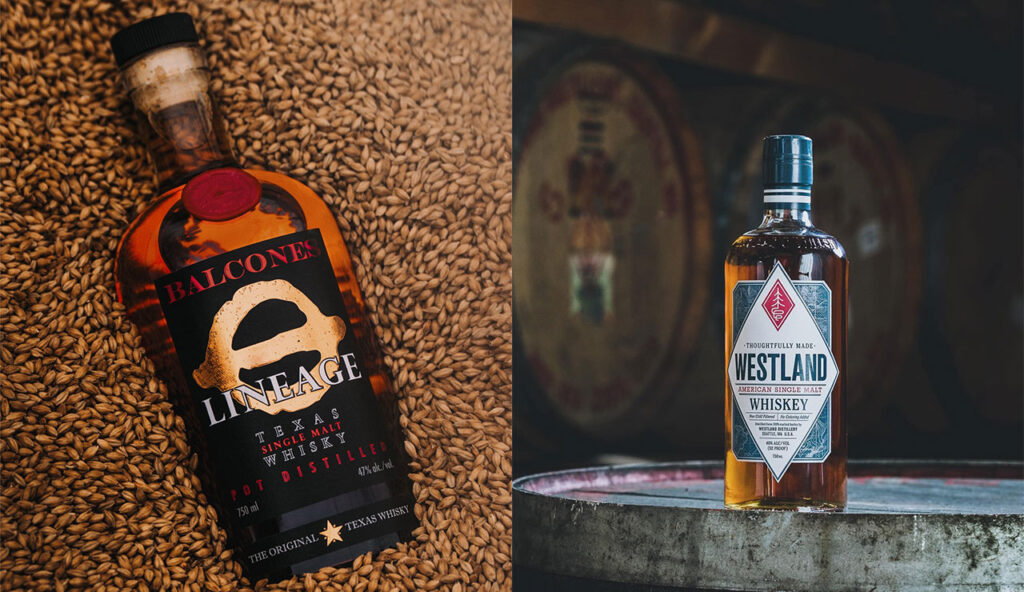
Meet American single malt whiskey.
The American Single Malt Whisky Commission (ASMWC)
In 2016, nine distillers got together and founded The American Single Malt Whisky Commission (ASMWC) to push for a federal standard of identity for the spirit. This collective effort marked a crucial step in defining and legitimising the category on a national and international level. The ASMWC represents the industry’s commitment to quality and transparency.
For the first time in over 52 years, the U.S.Government added a new type of whisky to its regulations: American Single Malt whisky. On December 18th, 2024, TTB officially added the new Standard of Identity to Part 5 of the Code of Federal Regulations with an effective date of January 19th, 2025, that clearly defines the category and protects its producers and their products. While aligning closely with Scottish standards, the American classification does not require a minimum age of three years plus in oak barrels.
The news was first published on the MoM Blog here: Link
Differences Between Scottish and American Single Malts
While both Scottish and American single malts are whiskies made from 100% malted barley at a single distillery, key differences in production, tradition, and regulation result in distinct flavour profiles.
Key Distinctions
The table below outlines the primary differences in production and regulation between Scottish and American single malts.
| Feature | Scottish Single Malt | American Single Malt (ASM) |
|---|---|---|
| Malt Bill | 100% Malted Barley | 100% Malted Barley |
| Distillation | Copper pot stills distilled at least twice | Various methods, including pot stills, column stills, or continuous stills |
| Maturation Casks | Must be matured in oak, but there is no specific requirement for new or used oak. Often bourbon or sherry casks | Must be matured in oak, but there is no specific requirement for new or used oak. |
| Barrel Size | Varies (e.g., hogsheads, butts, barrels) | Varies, but often uses smaller casks alongside American Standard barrels (bourbon), which accelerates maturation |
| Maturation Location | Must be matured in Scotland | Must be matured in the United States |
| Minimum Aging | Must be aged for a minimum of 3 years | No current federal minimum ageing requirement. There is an optional classification for Straight American Single Malt Whisky, which follows the two-year rule. In addition, the TTB requires age statements for any whisky aged less than four years. |
| Peat Use | Common, particularly in Islay and Highland whiskies | Less common, but growing in popularity, sometimes alternative smoked grains are used. (wood smoke) |
| Colouring/Additives | Only E150a (Caramel colouring) is permitted | Only E150a (Caramel colouring) is permitted, but must be stated on the label if used. |
Production and flavour Profile

A lot of people think Scotch has a monopoly on single malt. It doesn’t.
Scottish Single Malt
Scottish Single Malt has a rich, centuries-old tradition that strictly governs its production. The use of traditional copper pot stills and the mandatory minimum three-year ageing period in oak casks (often second-fill) ensures a well-rounded and mellow spirit.
Regulations: Defined by the Scotch Whisky Regulations 2009.
Casks: The dominant use of used casks (especially ex-Bourbon and ex-Sherry) imparts flavours without overwhelming the spirit, allowing the character of the malt and the distillery to shine.
Flavour: Profiles range widely, often based on region:
-
- Highlands: Rich, malty, sometimes spicy.
- Speyside: Elegant, fruity, floral, and sweet.
- Islay: Intense peat smoke, medicinal, and sea spray notes.
Have you tried any American Single Malt?
American Single Malt
American Single Malt is a relatively new and evolving category, with the American Single Malt Whiskey Commission (ASMWC) driving industry standards. On December 18th, 2024, the TTB officially added the new Standard of Identity to Part 5 of the Code of Federal Regulations with an effective date of January 19th, 2025, that clearly defines the category and protects its producers and their products.
Regulations: The Alcohol and Tobacco Tax and Trade Bureau (TTB) standards of identity for distilled spirits, Subpart I of Part 5 of the Code of Federal Regulations (27 CFR Part 5).
Casks: Distillers often use a combination of new charred oak and first-fill bourbon barrels, including unconventional barrels like those previously holding port, rum, or even beer.
Flavour: Highly diverse due to experimental production methods, often characterised by:
-
- A bolder, sometimes spicier oak presence, especially with new charred oak.
- Unique notes influenced by specialised wood finishing (e.g., mesquite smoke instead of peat).
- A faster-aged profile due to warmer climates and the use of smaller barrels.
Let’s talk about barley…
A number of barley varieties are approved for single malt Scotch whisky production, with new ones like Laureate being approved while older ones like Golden Promise are no longer used. The selection process is managed by a cross-industry group that evaluates and approves suitable varieties based on performance in both farming and distilling, though it doesn’t have to be Scottish-grown barley.
The current approved list for the 2026 Harvest is: Laureate, KWS Sassy, LG Diablo, Firefoxx, and SY Tennyson. There are another seven under provisional approval.
American distillers are exploring a wide range of varieties, including regional American barley and heritage types, to create unique flavour profiles that reflect their origin. Some use only American-grown malt, while others blend it with malts from other regions, such as Scotland.
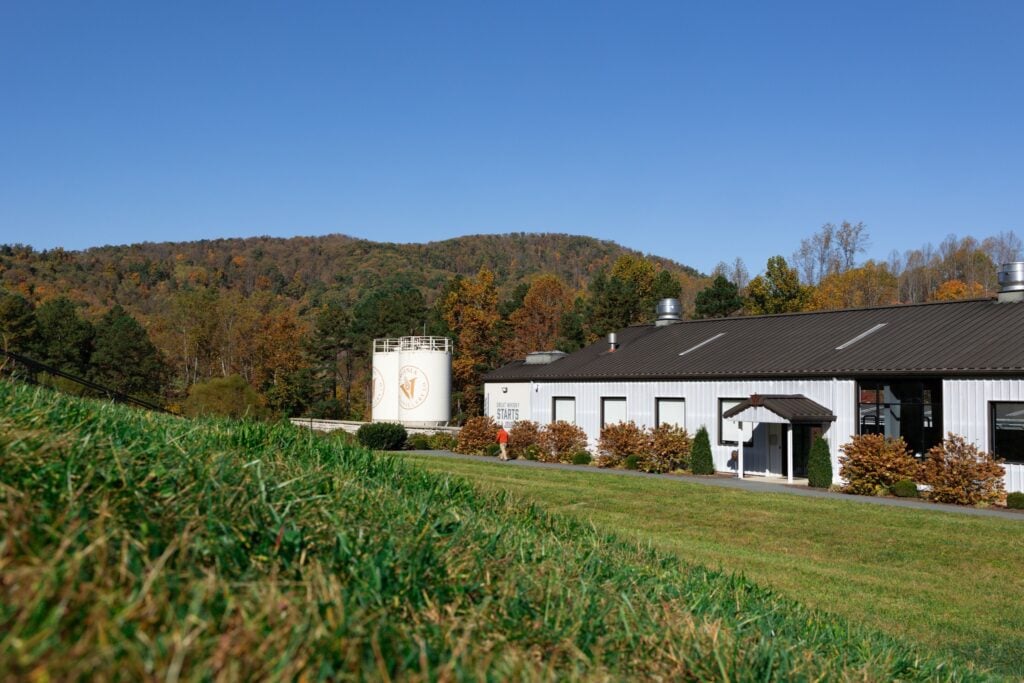
Welcome to The Virginia Distillery Co.
To Virginia…
We’ve showcased American single malts before through our TBWC and Master of Malt labels, featuring pioneering distillers such as Balcones, Copperworks, FEW Spirits and Santa Fe. Some were Maverick introductions to the UK; others were rarely seen on these shores.
Today marks an exciting step forward as we officially welcome Virginia Distillery Co. into the Maverick Drinks portfolio. From the Blue Ridge Mountains to the UK – Welcome!
Read part two of our deep dive into American single malt with a profile on the Virginia Distillery Co.
