Trade
Sweet & Dessert Wines
16 Products
Sweet Wine A strong favourite of the MoM camp (when we’re feeling flush), good sweet wine has very little else to compare to. Often saved for pudding or a special occasion, it’s a wonderfully varied corner of the wine world, and most of that variety comes down to one question: how do you get that much sugar into a grape? Winemakers have three main answers, and each one makes a very different
Read more



Sweet & Dessert Wines
Sweet Wine
A strong favourite of the MoM camp (when we’re feeling flush), good sweet wine has very little else to compare to. Often saved for pudding or a special occasion, it’s a wonderfully varied corner of the wine world, and most of that variety comes down to one question: how do you get that much sugar into a grape? Winemakers have three main answers, and each one makes a very different glass.
Botrytised wines
Many of the world’s greatest dessert wines owe their character to a truly gruesome process. Botrytis cinerea, better known as noble rot, is a cheeky little mould that settles on the grapes’ skins and, over a few weeks, draws out much of their moisture. Press those shrivelled grapes and the juice is so packed with sugar that fermentation stops before it’s finished (yeast is remarkably picky, and doesn’t care for anything too sweet, too acidic or too boozy). The result is honeyed and deep, laced with dried fruit and often a distinctive musky note. Sauternes from Bordeaux and Tokaji Aszú from Hungary are the famous examples, and we truly believe you’ve not lived until you’ve tried one.
Late harvest wines
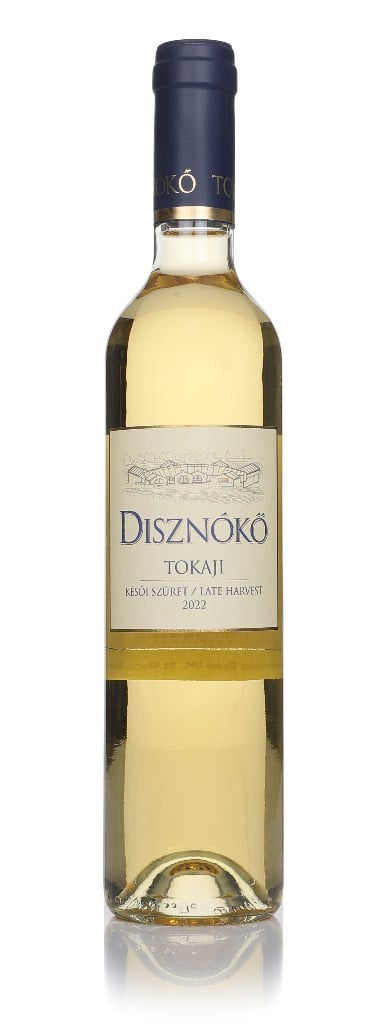
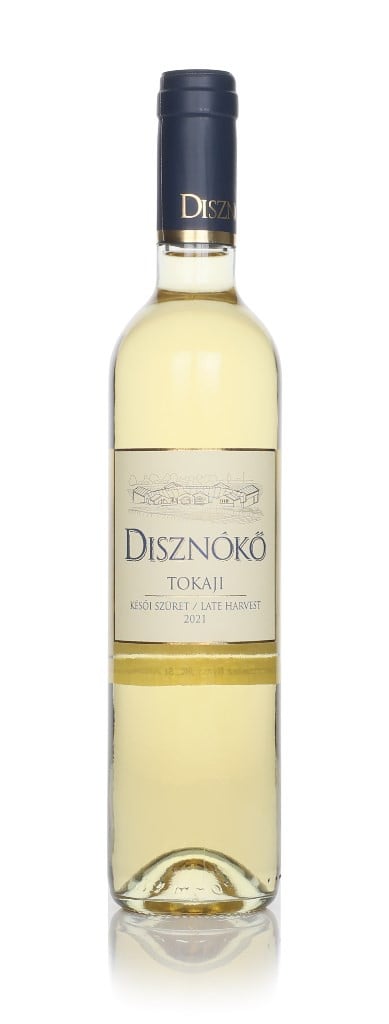
Exactly what it says on the tin: grapes left hanging on the vine well past the usual picking date, quietly building up sugar as they go. The wines are sweet, though not always as intensely as botrytised or ice wines, and the flavours range from stone fruit to tropical depending on the grape and region. Riesling is the star here, particularly in Alsace and parts of Germany.
Ice wines
For these, the grapes are left to freeze solid on the vine, and it has to happen naturally to count. Pressed while still frozen, they give up a small amount of seriously concentrated juice while the water stays behind as ice. Expect luscious peach, apricot and honey, with bright acidity keeping things fresh rather than cloying. Canada’s Niagara Peninsula and Germany lead the way, usually with Riesling or Vidal.
Three routes, one glorious destination: something golden and sticky in a small glass. Have a rummage below.