Meet the Makers: A Showcase of Irish Drinks Producers


Invite me to a showcase of Irish drinks, and I will attend. Eight consecutive years of Bord Bia’s annual trade show at the Irish Embassy in Grosvenor Place prove it. Possibly six or seven if you subtract the COVID blur years. Honestly, I cannot remember anymore.
This year, the Irish Food Board’s event followed a Northern Irish drinks showcase on HMS Wellington on the Thames a week before. I went to both. I have just about recovered.
You know the stereotype. The Irish love a drink. One more for the road. Har har har. We are very good at joking about ourselves.
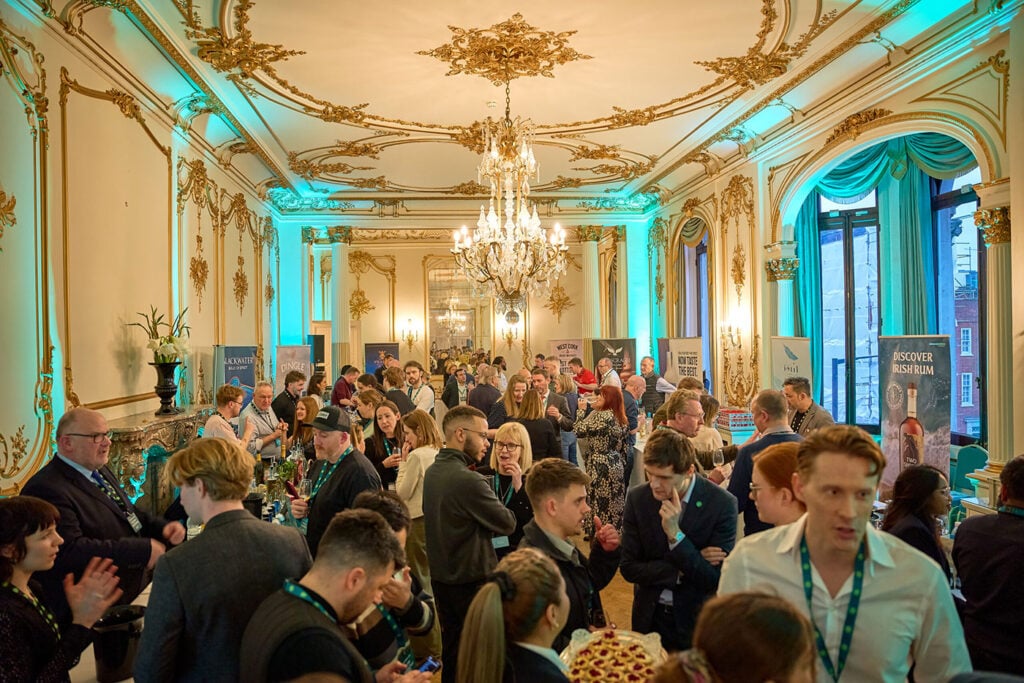
Irish drinks were on show at The Irish Food Board’s Meet the Makers event
Two Irish drinks showcases, one very tired writer
A laugh is important. But something struck me recently while rewatching the first episode of Anthony Bourdain’s A Cook’s Tour. It’s Tokyo, 2002. Bourdain floats through nostalgic scenes wide-eyed and reverential about Japanese food culture. Everything has meaning. Each dish and drink carries ritual and history. People slow down. They appreciate it. They treat it and themselves with respect.
Meanwhile, back in Ireland, we’re still half afraid of celebrating ourselves properly. God forbid we develop notions.
Right now, the island is home to more than 74 distilleries and over 95 craft breweries, with Irish beverages exported to over 107 countries. In 2025 alone, export values topped £2 billion. The two shows were a spotlight on the distillers, brewers, and makers who are using Ireland’s landscape, ingredients, and traditions to push things forward. Times are hard, yes, but there’s lots to celebrate right now. And of course there is. Look who we are.
Guinness, Tayto’s, Ian Harte’s left foot…
We’re the birthplace of whiskey. We have poitín, arguably one of the most interesting traditional spirits anywhere. Tell me why that deserves less reverence than mezcal, rhum agricole, or pisco. We invented cream liqueur and accidentally created a global category so delicious that people who don’t even drink make an exception for it.
We perfected stout, then became its greatest ambassadors, making something so iconic that people build entire identities around pouring it correctly. Irish pubs exist in almost every major city on Earth. And far beyond them, too. Entire countries celebrate St Patrick’s Day, even if they’re not entirely sure why.
I’m not about to shout “We are Ireland, hear us roar”. That’s too much. We’re not Americans. But with Patrick’s Day close and two trade shows down, it feels like a good moment to raise a proper glass.
And while you’re here, why not meet the makers who are moving the dial? I want to showcase the Irish Drinks producers you should look out for.
Drinking Ireland
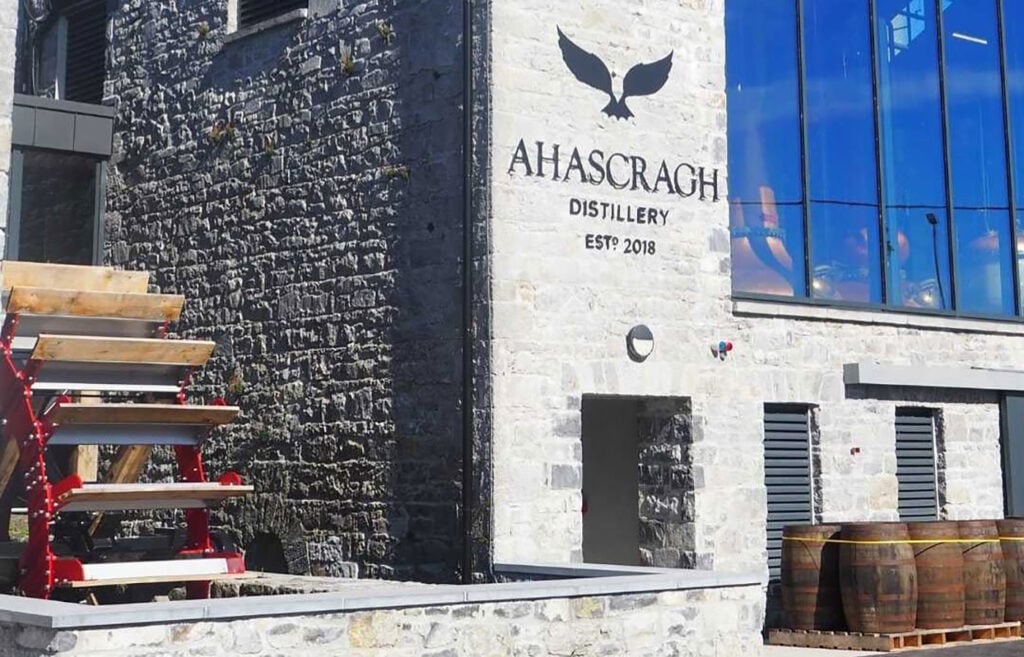
One for the distillery tour checklist
Ahascragh Distillery
If you want to see where Irish whiskey might be headed, take a detour to a tiny village in County Galway. That’s where Gareth and Michelle McAllister have built Ireland’s first zero-emissions distillery, tucked inside a restored nineteenth-century mill that once powered the local grain trade.
The McAllisters didn’t just bolt a few solar panels on the roof. The entire operation runs on renewable electricity, using wind, solar, and high-temperature heat pumps to replace the fossil fuels that normally power distilleries. Ahascragh Distillery produces whiskey and gin with effectively zero operational emissions, but isn’t preachy about it.
The whiskey brands tied to the project, particularly Clan Colla, lean into Irish mythology and family heritage rather than carbon accounting. The distillery’s own spirit is still ageing, so for now they’re working with sourced stock, finishing and blending it in Galway while the real story quietly matures in cask. One to watch.
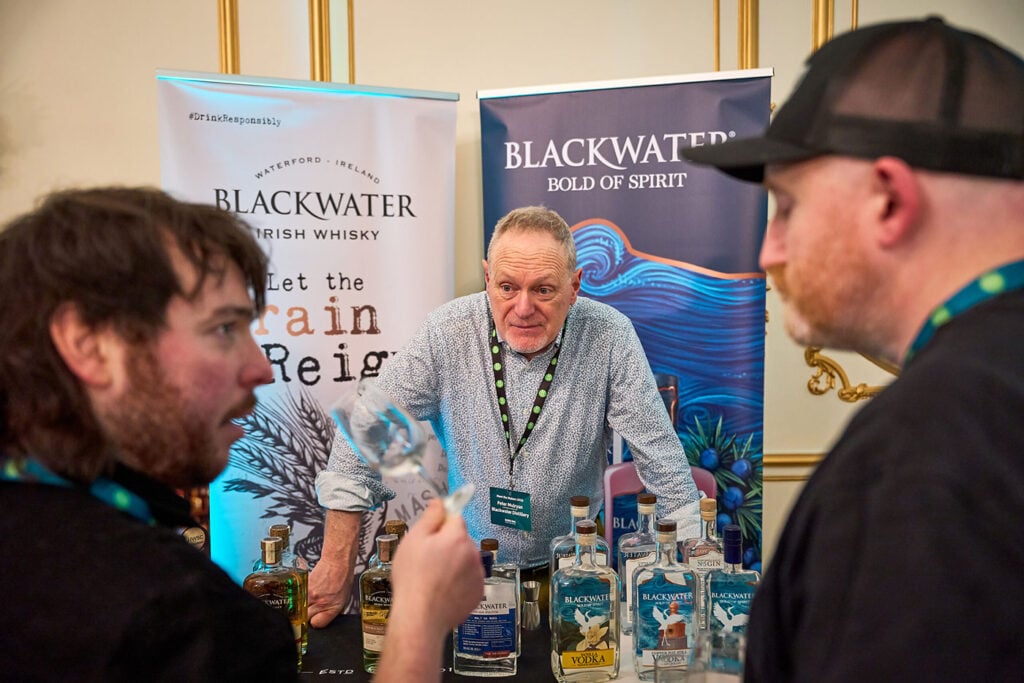
Blackwater Distillery’s Peter Mulryan hosts Nate Brown (r) and some eejit (l)
Blackwater Distillery
On the banks of the River Blackwater in Cappoquin, County Waterford, is Blackwater Distillery. Founded in 2014 by Peter Mulryan, a former music journalist and gin obsessive, it arrived during the early wave of Ireland’s modern distilling revival. But while many new distilleries were busy talking about heritage and tradition, Mulryan seemed more interested in asking awkward questions, like: Why did Irish whiskey end up so stylistically narrow when historically it was anything but?
Blackwater’s answer has been to make whatever it finds interesting. The portfolio contains gin, vodka, poitín, and whiskey, often in ways that refuse to sit neatly inside existing categories. One example is their six-grain whiskey, The Full Irish, which throws barley, malted barley, wheat, oats, rye, and maize into the mash bill. Historically, Irish whiskey mash bills were far more diverse than the tidy malt-or-pot-still categories we talk about today, and Blackwater seems keen to remind people of that.
It also has some of the best names in the game. Starburst Spicebag Rye? I’ll take 20. Its peated whiskeys aren’t called as such, preferring the term “turf-smoked”. Turf is what a lot of Irish people will call peat; it’s what I grew up calling it. It gives a bit of differentiation to Scotch and reflects us honestly. I love it. And all their whiskey. One of my favourites of the new wave in any country.
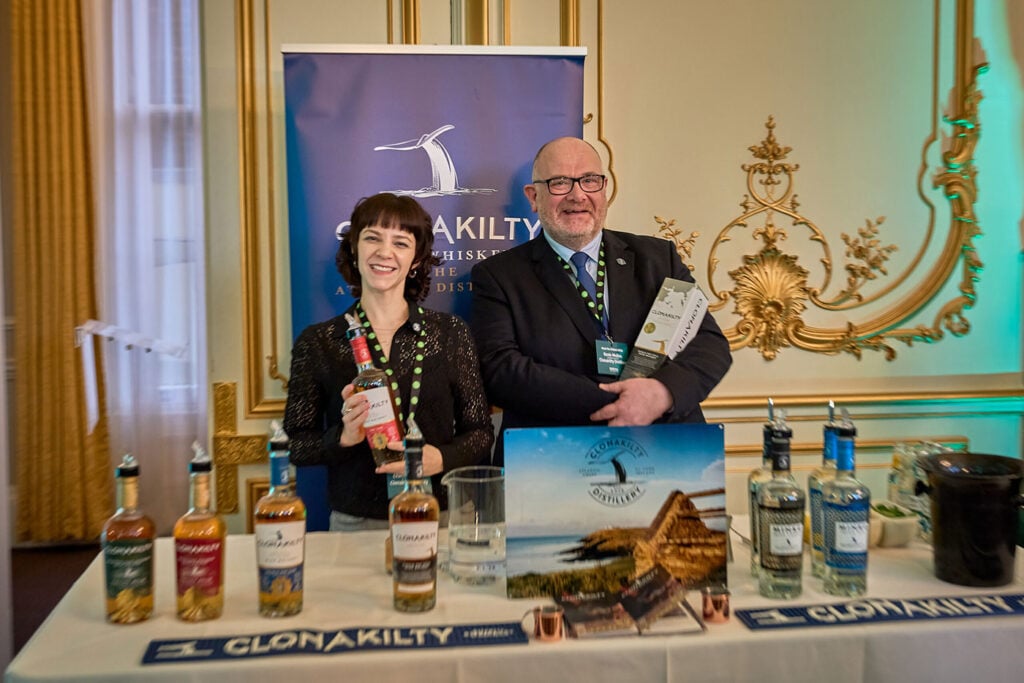
Clonakilty proved popular on the night
Clonakilty Distillers
The Clonakilty Distillery project officially began in 2019, but really started a few years earlier. That was when the Scully family, who have farmed land in the area for nine generations, decided their barley deserved a second life as whiskey. They grow it themselves on fields overlooking the coast, where the weather has a habit of reminding crops who’s in charge.
That barley feeds into a distillery that handles nearly everything in-house. Distilling, blending, bottling, and warehousing. The warehouses sit right on the Atlantic edge, breathing in salty air and whatever mood the ocean happens to be in that week. If you stand outside the warehouses at Clonakilty long enough, the Atlantic will introduce itself. Wind, salt, rain, repeat.
Before their own spirit was ready, Clonakilty built a reputation with sourced Irish whiskey matured and finished on site, experimenting with different cask types and blending styles. Now it’s got homegrown spirit to share, and it all feels very rooted in place. Clonakilty is also a certified B Corp, which in practical terms means the distillery had to prove its environmental and social credentials rather than simply talk about them.
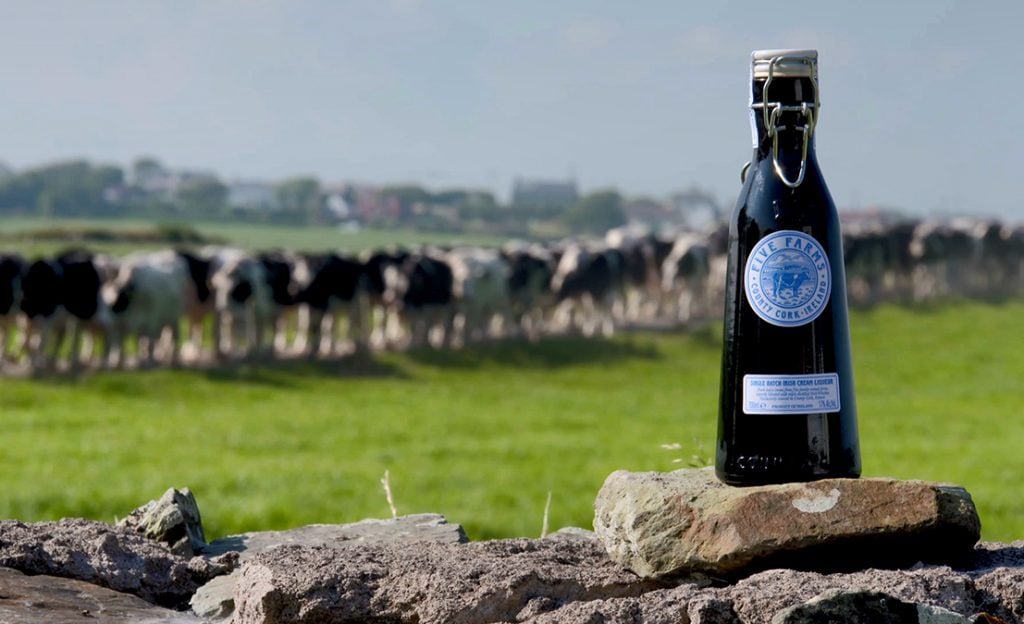
Look, it’s Five Farms Irish cream liqueur!
Coole Swan and Five Farms
Irish cream is one of those categories everyone drinks, but very few people talk about seriously. Which is odd when you realise how hard it is to get right. Cream, alcohol, sugar, stability. Get one thing wrong, and you’ve basically made alcoholic yoghurt.
Coole Swan approached the problem with borderline obsessive patience. The recipe took 231 trials to perfect and sticks to a simple formula: fresh Irish dairy cream, Irish single malt whiskey, and Belgian white chocolate. No artificial stabilisers, flavours, or colours. The result is richer and cleaner than most people expect Irish cream to be, which is probably the point.
Five Farms, meanwhile, leans hard into the agricultural side of things. The cream comes from five family farms in West Cork, all along the Wild Atlantic Way, and is blended with Irish whiskey within 48 hours of collection. When it launched in 2018, it picked up a 97-point score at the Ultimate Spirits Challenge, the highest ever awarded to an Irish cream at the time. Turns out the farm-to-table idea works just as well in a glass.
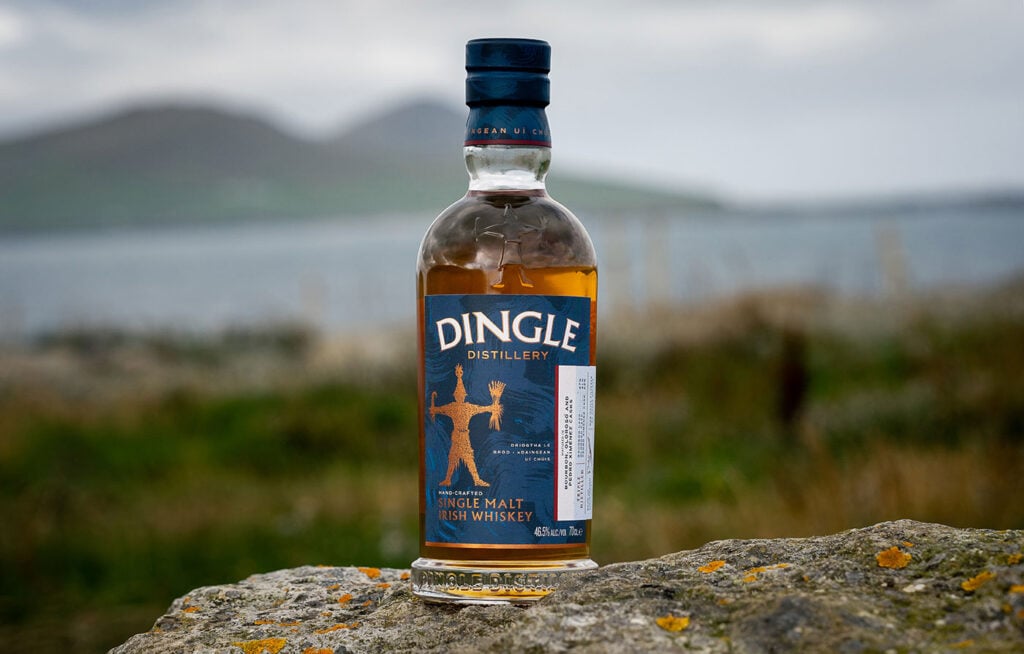
Dingle is carving out an impressive space for itself in the competitive world of Irish whiskey
Dingle Distillery
When Dingle Distillery opened in 2012, Ireland’s whiskey revival was more theory than reality. A handful of new distilleries had appeared, but the idea that small, independent operations could reshape the category still felt like a gamble.
The project came from Oliver Hughes, Liam LaHart and Peter Mosley, the team behind the Porterhouse Brewing Company, who decided the windswept edge of the Dingle Peninsula was as good a place as any to start making whiskey again. Everything happens there. Distilling, maturation, bottling. Nothing was shipped off elsewhere to finish the job.
The distillery became known early on for its Founding Fathers casks, where early supporters bought into the first barrels filled in 2012. Those casks are now well into their teenage years, while the core range has grown to include single malt, single pot still, and a 10-year-old age statement release. The latter two are delicious and a fantastic reflection of the progress of Irish whiskey.
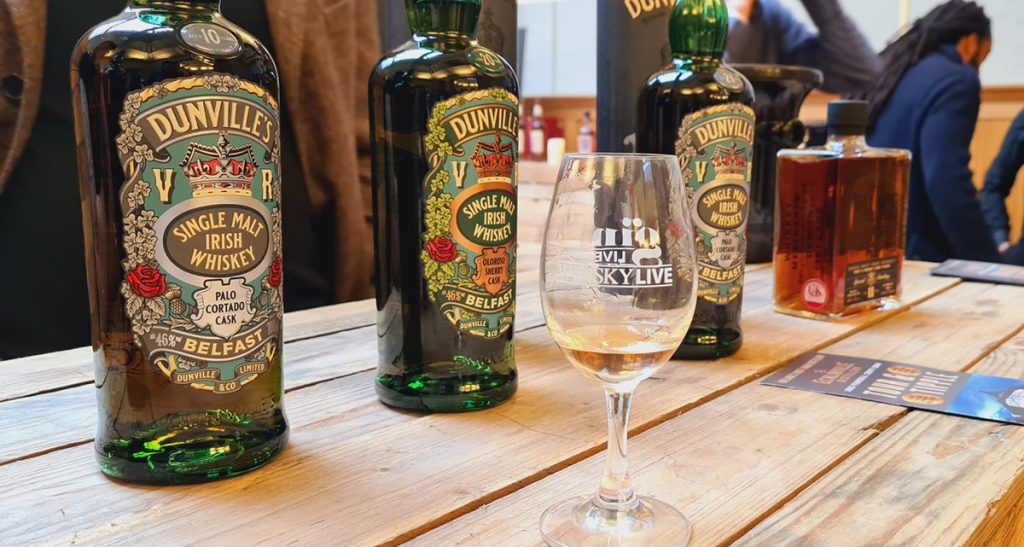
The Dunville’s stand has been the highlight at several events, not just Irish drinks events
Echlinville Distillery
Echlinville sits on the Ards Peninsula in County Down, surrounded by farmland that has been growing barley for generations. Unlike most distilleries, that barley doesn’t travel far. Echlinville grows it on the family farm, malts it on site, and distils it a few steps away. Proper field-to-glass distilling, not the marketing version.
The distillery was founded by Shane Braniff and became Northern Ireland’s first new licensed whiskey distillery in over 125 years when it opened in 2013. Alongside its own spirits, Echlinville also resurrected Dunville’s Irish Whiskey, a Belfast brand that once rivalled the biggest names in Irish distilling before disappearing in the early twentieth century. I consider it the third in the sublime sherried triumvirate of Irish whiskey alongside Bushmills and Redbreast. It’s a worthy rival to both.
But Old Comber, the pot still whiskey made entirely in-house, is something else altogether. It’s a revelation. It blew me away with its green, eucalyptus note and farmhouse funk. Old Comber is Springbank meets single pot still and shows the potential of the category beyond the beautiful behemoth that is Redbreast. More on this brand on the blog next week…
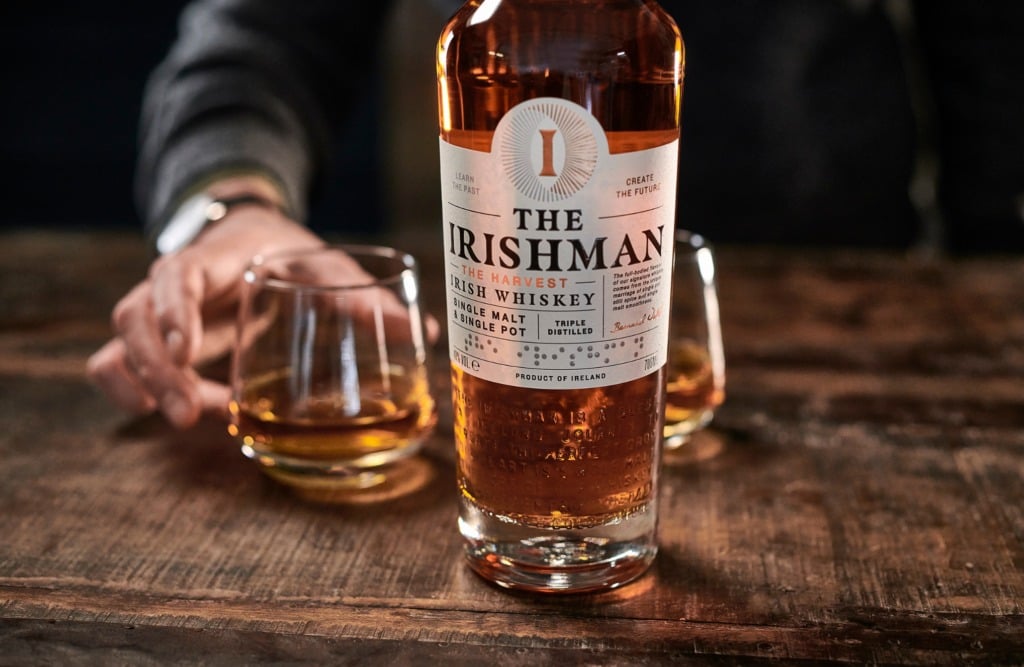
Pour you a glass?
Irishman and Writers’ Tears
Before Irish whiskey became fashionable again, Bernard Walsh was already betting it would come back. He founded Walsh Whiskey in 1999, launching two brands that quietly helped keep the category interesting during the leaner years.
The two labels take slightly different approaches. The Irishman leans toward classic Irish styles built around single malt, while Writers’ Tears explores blends of single pot still and single malt whiskey, a style that echoes some of the historic blends Ireland once exported around the world.
The names nod to Ireland’s literary heritage. Joyce, Beckett, Wilde and the rest. The idea being that good writing and good whiskey have always had a fairly comfortable relationship on this island. The whiskey itself backs that up, with a range that now stretches from approachable blends to limited cask-finished releases that have become staples on specialist shelves. Get on The Irishman 17 Year Old for a snapshot of what to expect.
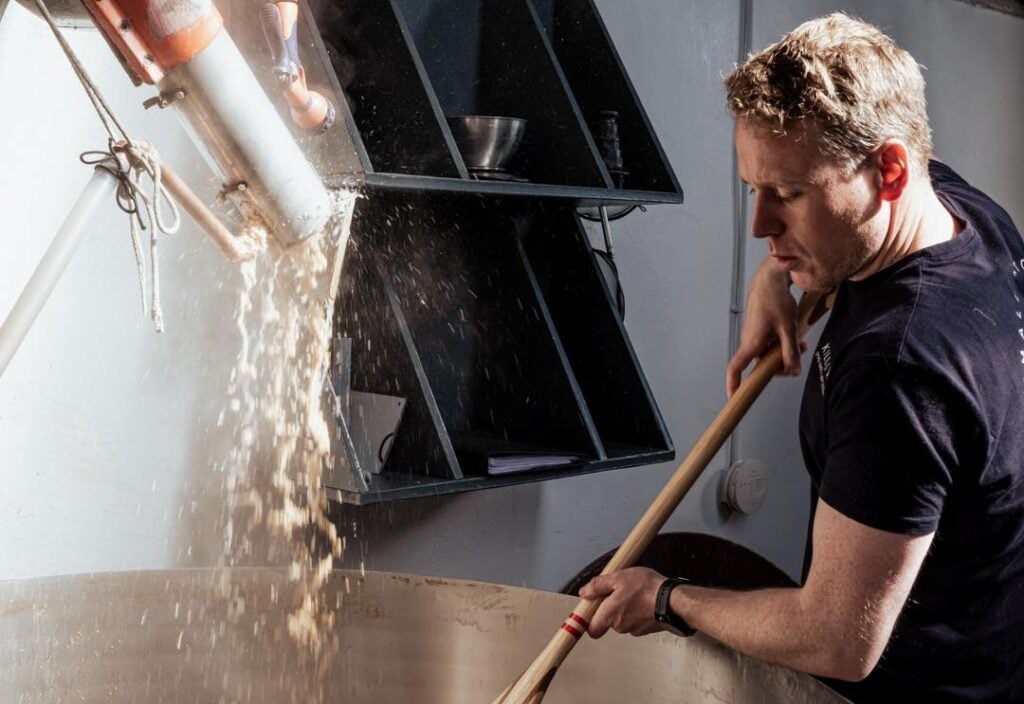
Brendan Carty is doing some job at Killowen Distillery
Killowen Distillery
Killowen sits in the Mourne Mountains in County Down, where founder Brendan Carty creates gin, whiskey, and poitín to an impeccable standard.
The equipment tells the story. Killowen runs direct-fired pot stills and worm-tub condensers, an old-school setup rarely seen in Ireland today but common in the nineteenth century. The result is a heavier, oilier spirit with plenty of texture, the kind of whiskey style that once made Irish distillate famous.
Carty has also leaned heavily into traditional mash bills and poitín, reviving older Irish distilling traditions rather than simply copying modern Scotch-style production. It’s a tiny operation by industry standards, but among whiskey nerds, Killowen has developed something approaching a cult following.
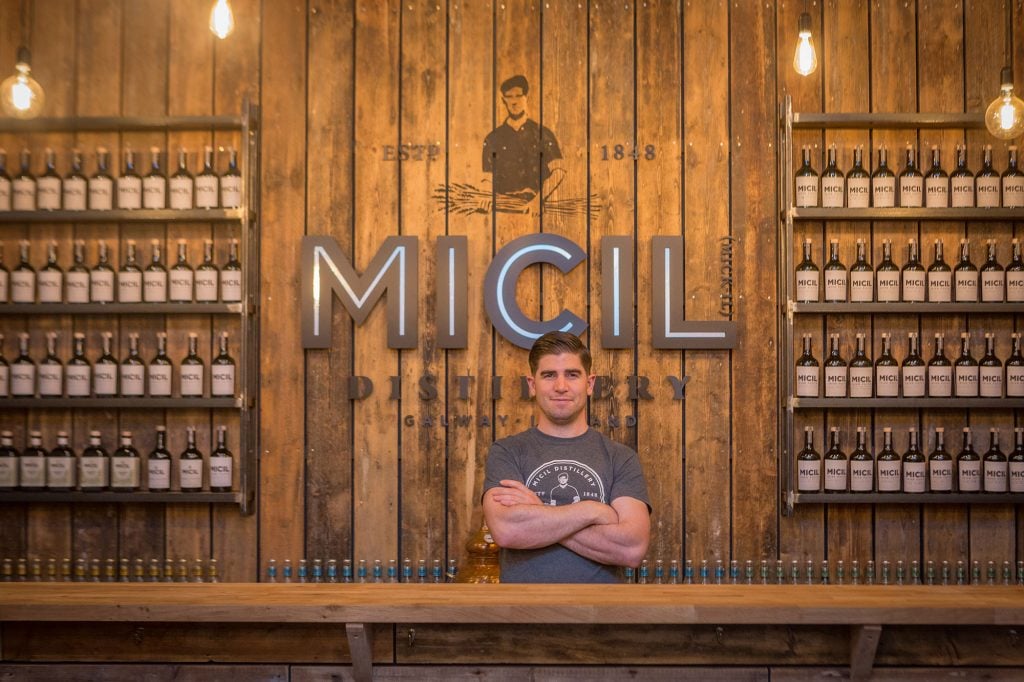
Pádraic Ó Griallais creates traditional Irish drinks with modern flair
Micil Distillery
Micil Distillery traces its story back to 1848, when Micil Mac Chearra began distilling poitín on a hillside in Connemara, somewhere the excise man was unlikely to wander past. The knowledge stayed in the family, passed down through generations in Irish, making the Ó Griallais clan one of the longest continuous distilling families in the country.
Today, the operation is entirely legal and based in Galway Bay, run by brothers Pádraic and Jimín Ó Griallais, who turned that inherited knowledge into a modern distillery while keeping the focus firmly on poitín. The spirit itself sits somewhere between whiskey and vodka in strength, but flavour-wise it behaves like neither.
Micil’s approach treats poitín as a serious distillate rather than a novelty. Old mash bills, traditional botanicals, and a stubborn insistence that Ireland’s original spirit deserves the same curiosity the world gives mezcal or agricole rum. Judging by the growing interest, with the likes of Louis Theroux and Gordon Ramsey as fans, they’re hopefully on the money.
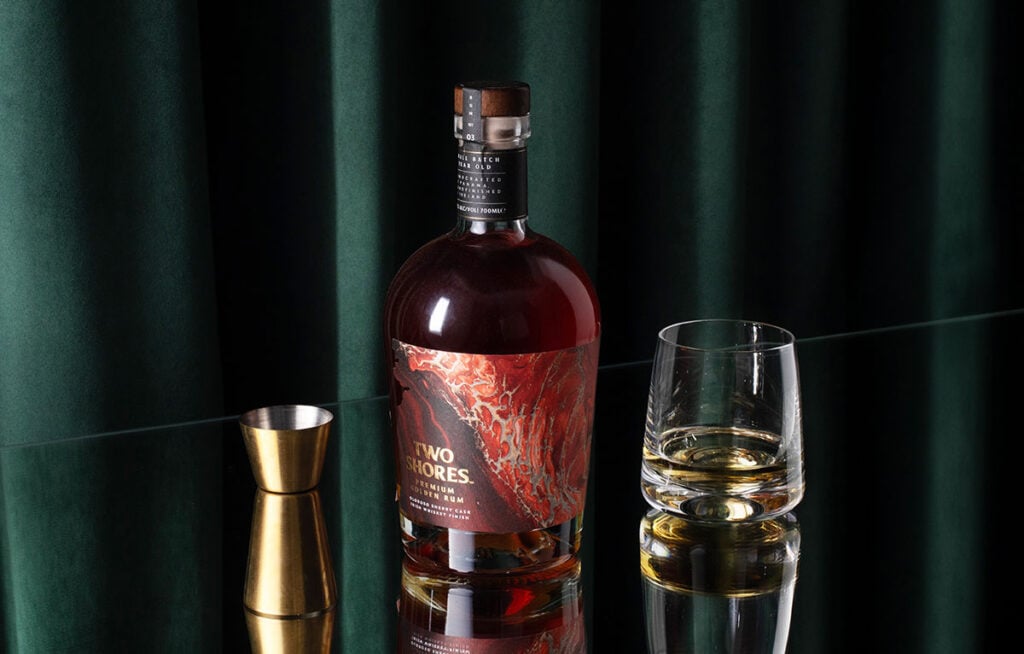
Yes, Irish rum
Outcast Brands
Most of the recent Irish drinks revolution has been based on whiskey, gin, vodka, and poitín. But rum? Only an outcast would consider such a thing…
Outcast Brands founder Jason Kidd takes pure sugar cane distillate in Panama before finishing its maturation on the west coast of Ireland. Hence, Two Shores Rum.
That transatlantic journey has paid off. Two Shores Rum – Irish Single Malt Whiskey Cask Finish picked up a silver medal at the World Rum Awards in 2024. Imagine saying that an Irish rum is among the best in the world a few years ago. The whiskey cask finishing gives the rum a slightly different accent, softer, rounder, and with a hint of the oak character that Irish whiskey drinkers already recognise
Then there’s Blood Monkey Gin, made with malted Irish barley to lean away from the crisp London Dry template toward something fuller and more textured. The result is a portfolio that feels very modern Irish drinks: global ingredients, local finishing, and absolutely no obligation to stay in one category.

Mighty Molly and Little Lizzie, taking pride of place on the altar
Pearse Lyons Distillery
Pearse Lyons Distillery might be the only place in Ireland where you can drink whiskey beneath stained glass and not have a nun fire a broom to the back of your head. The distillery sits inside the restored St James’s Church in Dublin’s Liberties, a building that dates back to the twelfth century and spent years slowly falling apart before being rescued and turned into a working distillery.
The project was founded by Dr Pearse Lyons, a Dublin-born scientist who built a global fermentation company in the United States before returning home to establish a whiskey distillery in the heart of the city’s historic brewing and distilling district. When it opened in 2017, it brought distilling back to a part of Dublin where it once dominated the skyline.
The distillery produces the Pearse whiskey range, alongside the Ha’penny spirits line, all distilled and matured within the old church walls. It’s a reminder that Dublin was once one of the great distilling cities of the world, and that the Liberties still remembers how to make a good drop. This article is from May 2020, but it’s got a lot of historical detail on the brand that’s worth some further reading.
Rebel City Distillery
Rebel City Distillery sits in Cork, the people’s capital (the controversy of this statement could be worth its weight in all the Murphy’s I get bought. It’s a calculated risk). It was founded by spouses Robert and Bhagya Barrett, who met while working in the drinks industry and eventually decided to build their own distillery rather than keep talking about it.
Their flagship spirit, Maharani Gin, spotlights botanicals from Kerala in southern India, including pomelo, cassia, and nutmeg mace sourced from a women-run farming cooperative. It’s a gin that feels like it belongs to Cork and the Indian Ocean spice trade equally.
The distillery has also quietly become home to Ireland’s only absinthe, produced in small batches alongside Maharani Pomelo Vodka. It all feels very Cork, really. Defiance is built into the bones of it. Which also explains the brand name.
SL Beverages
SL Beverages arrived at the showcase with a simple proposition. Irish whiskey may dominate the conversation, but there’s no reason Ireland can’t make a proper vodka, too.
Their focus is iStil38, an Irish vodka launched with pubs and bars firmly in mind. The idea is straightforward: a clean, smooth spirit that bartenders can work with easily, whether that’s in a Martini, a highball, or something more elaborate on the cocktail list.
It’s a reminder that the modern Irish drinks scene isn’t just about reviving historic categories. Sometimes it’s about taking something familiar, making it well, and giving the bar trade another solid bottle to reach for. Works for me.
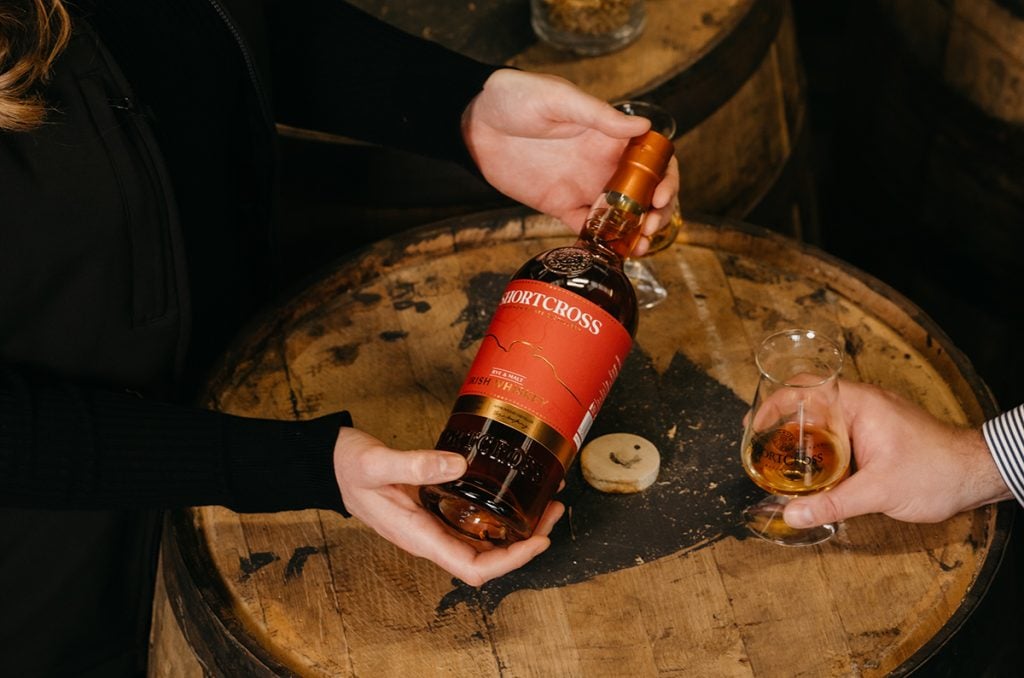
Rye whisky is made in many different places. This example is Irish
Shortcross Distillery
Shortcross comes from Rademon Estate in County Down, where founders David and Fiona Boyd-Armstrong set up one of the earliest craft distilleries in Northern Ireland in 2012. The distillery first made its name with Shortcross Gin, distilled with local botanicals gathered from the estate’s gardens and surrounding countryside.
But the real long game has always been whiskey. Shortcross began distilling its own spirit in 2015, initially on what was then the smallest working whiskey still in Ireland, a 450-litre copper pot still. Those early casks are now starting to appear as single malt releases, showing a distillery that’s happy to take its time if it means building flavour the slow way.
Rye whisky, peated whisky, single pot still, proper poitín too… These are another real highlight of the Irish drinks scene for this writer. Shortcross Rye & Malt Irish Whiskey impressed me so much when it dropped. What I’ve tasted at the show gives me great hope for the future, too.
Stillgarden Distillery
Stillgarden sits in Dublin 8, an urban distillery that feels more like a creative lab than a traditional operation. The project is rooted in science, community, and nature. Which sounds a bit like a manifesto until you see the place in action.
The distillery works heavily with foraged and locally sourced botanicals, experimenting with flavours that don’t usually appear in Irish spirits. Their herbal liqueurs Glas 55 and Buí 43 are essentially Ireland’s answer to Chartreuse. Not copies, but spirits clearly inspired by the old monastic herbal tradition. And they’re gorgeous, too.
Stillgarden also leans into lower-ABV drinks and aperitivo culture, something Ireland has historically ignored in favour of stronger stuff. The result is a distillery that feels refreshingly modern, proof that Irish spirits don’t always have to look backwards to move forward.
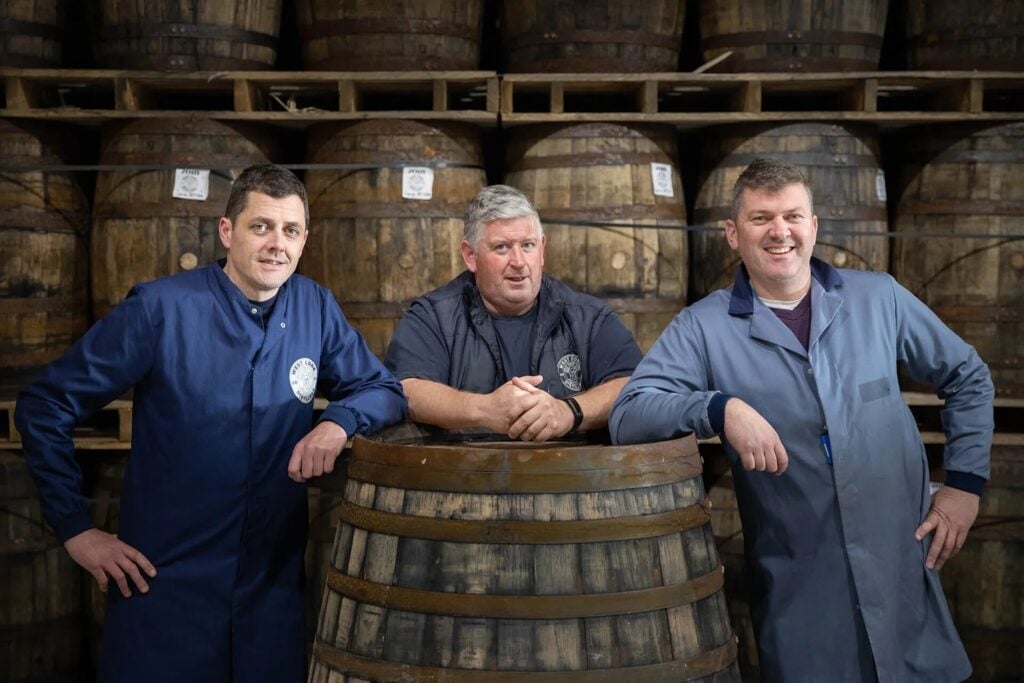
It’s the lads: The founders of West Cork Distillers
West Cork Distillers
West Cork Distillers began the way many good whiskey stories do. Three childhood friends, a couple of stills, and a vague sense that it might just work out. John O’Connell, Ger McCarthy, and Denis McCarthy started distilling in 2003 in a room behind Denis’s house in Union Hall, using two small stills they’d picked up from a schnapps producer in Switzerland. It was not, at the time, the sort of setup that suggested global ambition.
Two decades later, the operation sits in Skibbereen, employs around 140 people, and exports Irish whiskey to nearly 70 countries. The scale has grown considerably, but the ownership hasn’t changed. The same three founders still run the place, which, in an industry increasingly filled with corporate buyouts, feels quietly impressive.
Their whiskey range has recently had a tidy-up, with the core West Cork Irish Whiskey lineup now carrying a minimum five-year age statement, including Bourbon Cask, Black Cask, and a series of cask-finished single malts matured in rum, port, and sherry barrels. Very gift-worthy this St Patrick’s Day. Hint, hint.
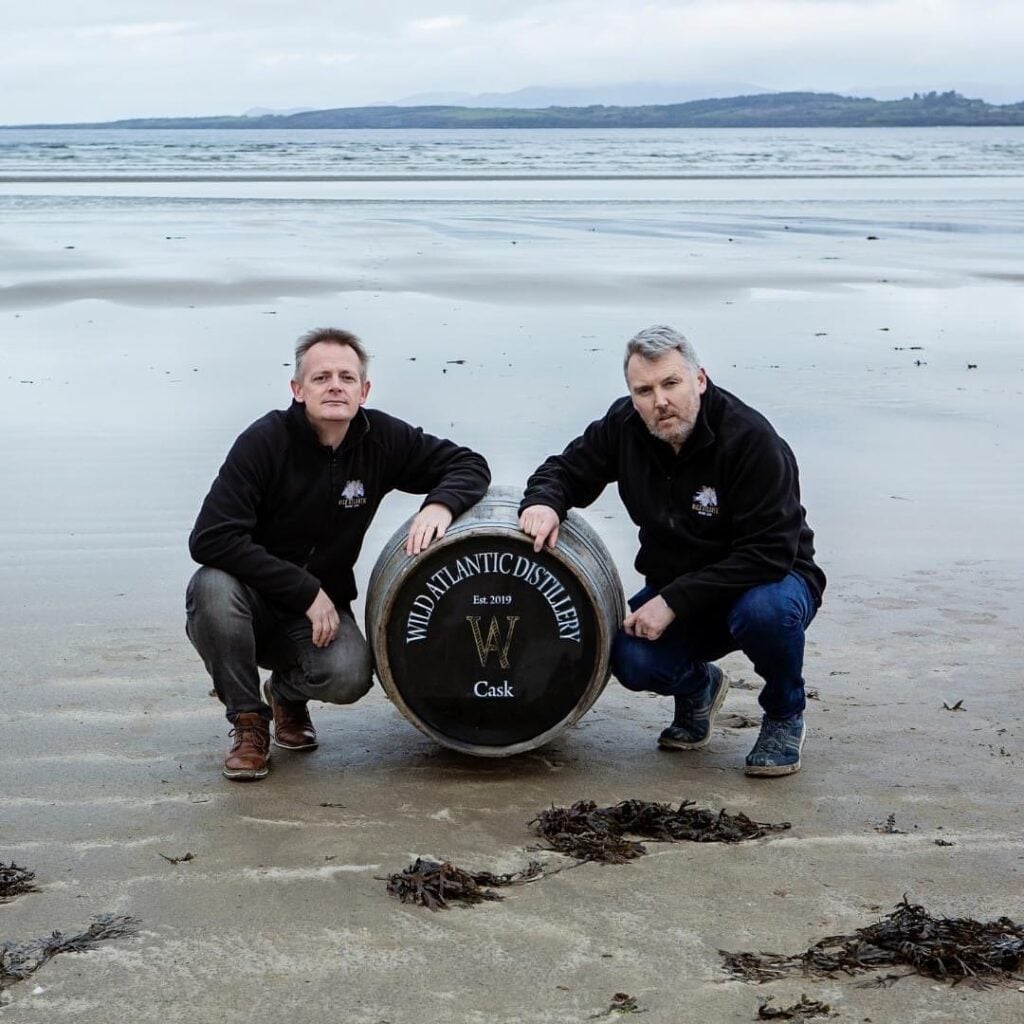
Meet the founders of Wild Atlantic Distillery
Wild Atlantic Distillery
Wild Atlantic Distillery is run by Brian Ash and Jim Nash, brothers-in-law who began making drinks in Aghyaran, County Tyrone, in 2020. They were experimenting with gin in a tiny still in a shed until they had something worth building a distillery around, the old school way of brand building.
The pair lean heavily into the region’s lost distilling history. The Derry and Strabane area once produced significant amounts of whiskey, but the industry disappeared during the twentieth century. Wild Atlantic helped bring it back, uncasking the first locally made whiskey in the area for more than a century and releasing it under the IslandMen label.
Their spirits tend to reflect the landscape around them. The gin uses coastal botanicals like kelp and dillisk, while the whiskey draws on locally sourced grain and traditional maturation styles. It’s part distillery, part revival project, and a reminder that Ireland’s whiskey story still has plenty of forgotten corners worth reopening.

Any Irish drinks exciting you?
Sláinte to the Next Wave
Spend enough time wandering around a drinks showcase like this and a pattern starts to emerge. Irish drinks are no longer just about the big hitters that rebuilt the category.
What I saw across two shows paints a picture of an Irish drinks scene comfortable enough in its own skin to start exploring again. Which is exactly where things get interesting.
And we should be proud and brave enough to talk about it properly. We’re worthy.
Sláinte.



