Trade
Trade

What is a craft spirit?
The American Craft Spirits Association (ACSA) reckons it has an answer. It has unveiled a new Certified Craft Seal, a TTB-approved certification mark intended to help drinkers identify spirits produced by independent American craft distilleries.
In short: it’s given “craft spirits” an official badge.

The ACSA wants to define what a craft spirit is
The problem with “craft”
The issue isn’t that “craft spirits” don’t exist. There are plenty of independent distillers making fantastic whiskey, rum, gin, brandy, and all manner of beautifully weird things in between.
The issue is that “craft” has no legal definition. That’s true across international markets and myriad spirit categories. The word suggests independently owned, made on-site, small-scale, hands-on production. But it guarantees none of that. Commercially useful, but practically meaningless.
It seems every brand has a founder with an evocative backstory. Half the shelves look like they were designed by somebody who owns three denim aprons and says things like “intentionality”. Everything is done “by hand”. As opposed to all those distillers who aren’t crafting spirits with their hands and instead taping spatulas to the end of their arms to get the job done.
Celebrity-backed ventures. Sourced whiskey brands. Spirits distilled at giant industrial facilities. Big companies that buy independent brands but keep the small-scale image intact. These are just some of the examples of companies guilty of slapping the ‘C’ word on products no matter how Soylent Green the reality is.
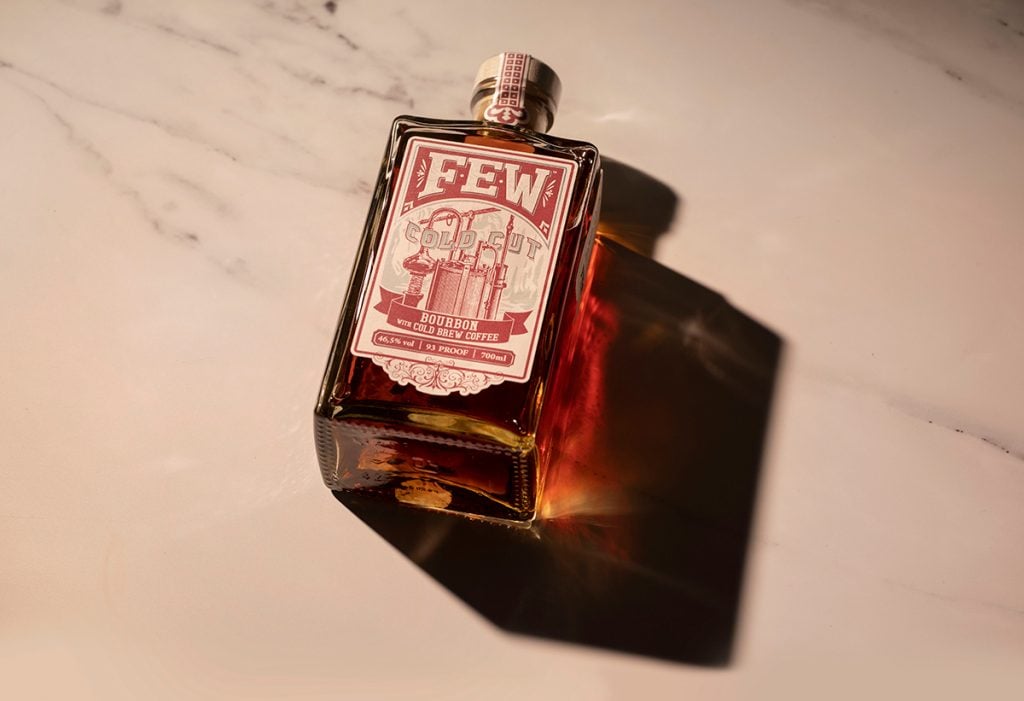
FEW Spirits was a founding member of the ACSA
The ACSA seal
The ACSA seal is a practical attempt to pin down this slippery word once and for all.
To qualify, distilleries must be independent, licensed producers making fewer than 750,000 proof gallons removed from bond annually, while also adhering to the association’s code of ethics.
The seal itself, a decanter icon designed to appear on labels, neckers, websites, and marketing material, aims to become an easy visual shorthand for consumers navigating increasingly crowded shelves.
Colin Spoelman, co-founder and distiller at New York’s Kings County Distillery, says the seal gives independent distillers “one clear visual voice”.
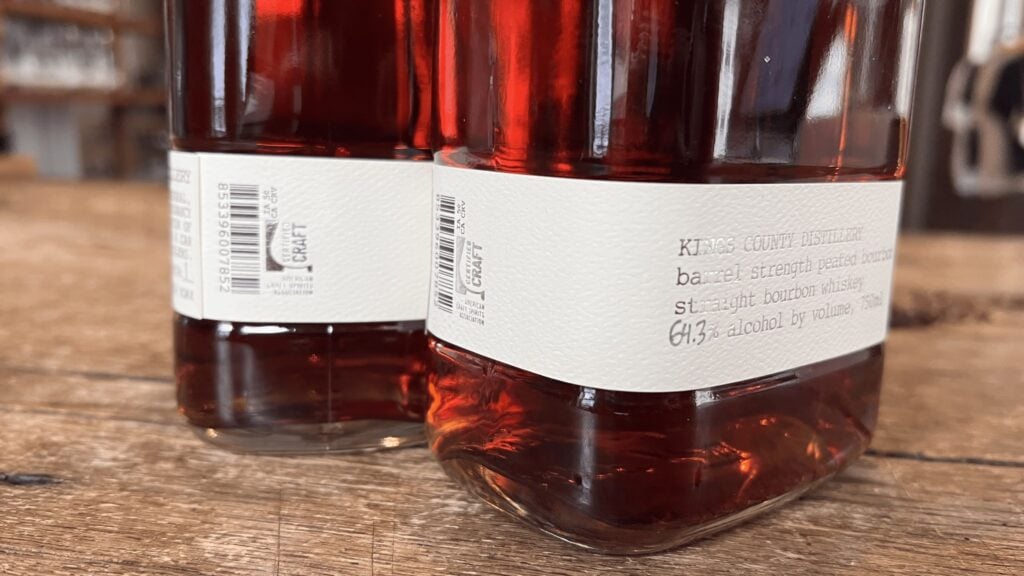
Kings County Distillery is an advocate for the ACSA seal
One clear voice in a very noisy room
The move is about survival as much as it is transparency. Independent distillers are competing in a market dominated by companies with colossal marketing budgets, established distribution, and the ability to outspend everybody else several times before breakfast.
Few craft producers will ever win that game directly. Instead, the seal tries to build collective recognition. A kind of “If you know, you know” marker for drinkers who actively want to support independent distilling.
The drinks industry has seen versions of this before. Bourbon’s Bottled in Bond designation, for example, was brought in to reassure Americans that their whiskey hadn’t been adulterated with enough chemicals to strip paint off a barn door.
Craft beer introduced independent brewer seals when supermarket shelves became flooded with “crafty” brands owned by multinational giants. The Brewers Association has a widely used definition of a craft brewer based on size and independence. Now spirits are arriving at the same crossroads.
Great whisky is made by large distilleries too
Can craft actually be defined?
The issue deepens because it is a little broader than a lack of definition. The question isn’t just what people perceive craft to mean, but what it should mean in practice. It has always been part philosophy, part production model, part marketing term.
After all, scale alone doesn’t determine quality or preclude a producer from being craft. Plenty of tiny distilleries make underwhelming spirits. Plenty of massive producers make excellent whiskey. Major bourbon producers cultivate proprietary yeast strains that have been maintained for generations. Is that not an act of craft?
Some sourced brands are transparent and blend brilliantly. Some independent producers make a huge song and dance about authenticity while buying neutral spirits from elsewhere. Independence similarly doesn’t guarantee integrity of operation. Neither does making things “by hand”.
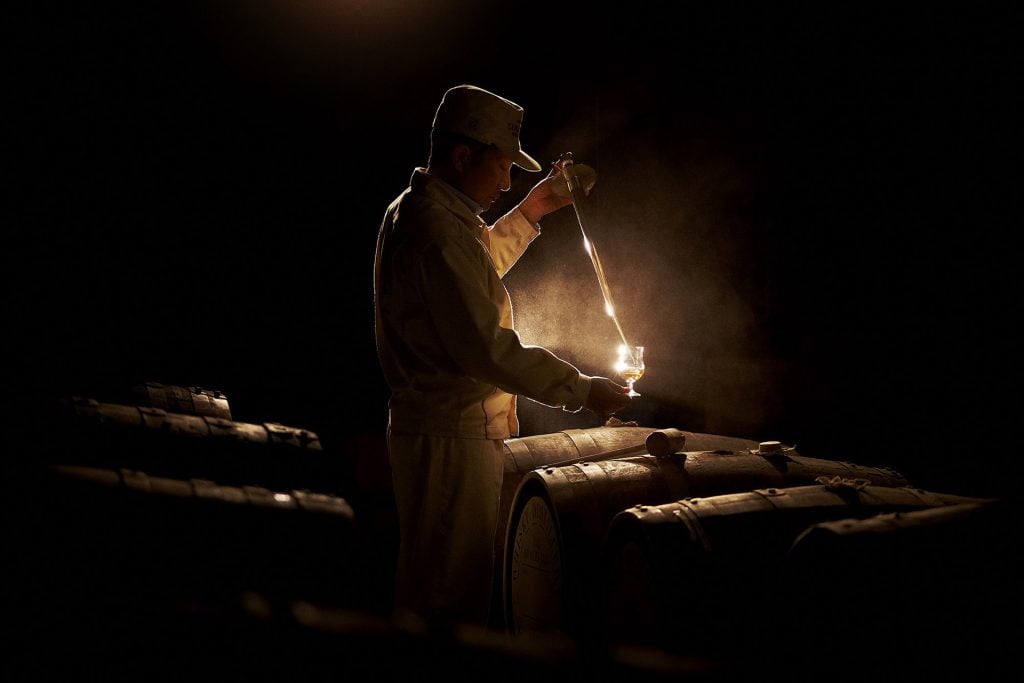
There’s magic in whisky
Defining craft
When I think of the word craft, it describes a process that exists at the intersection of art and science. You can learn how to read music and understand the circle of fifths, but that doesn’t mean you’ll write great records. Knowledge explains the process, but it doesn’t fully explain the result. There is something else at play, an ethereal quality that belongs to the artistic side of the process.
With whisky making, you can understand the chemistry of distillation and the way compounds in a cask interact with spirit over time. But every experienced distiller knows there are elements of flavour creation that resist easy explanation. They’ll admit that you can replicate the entire process half a mile down the road and produce a different whisky. Ask exactly why, and the answers become less certain.
Craft lives somewhere between the measurable and the mysterious. This adds to the slipperiness. Perhaps it comes down to intention. The people who “craft” drinks are the ones who really give a shit about what they’re creating, obsessing over flavour, process, and quality. Maybe graft should replace craft as the key definer of output.
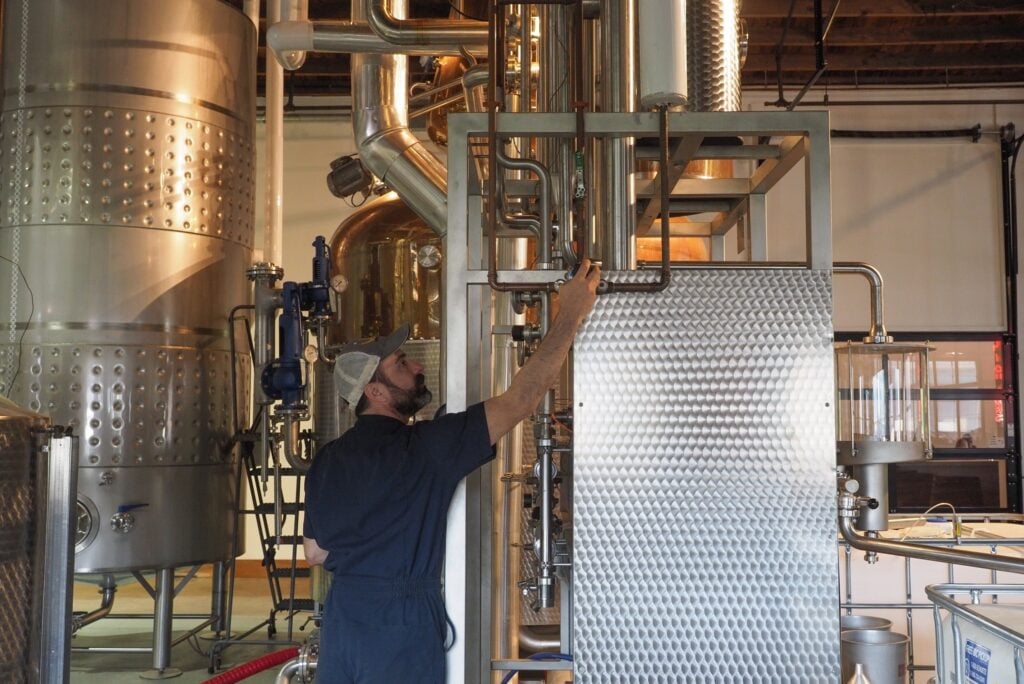
Is all about the intention of creating a spirit that makes it craft?
A point beyond purity
These are concepts that are difficult to capture with production volumes, ownership structures, or annual output figures. It’s even harder to communicate on a shelf without sounding like marketing fluff.
Even the ACSA’s own threshold raises eyebrows. To the average drinker, 750,000 proof gallons does not exactly scream “tiny operation in a shed behind a cornfield”. But perhaps absolute purity isn’t really the point.
The seal isn’t trying to identify the most artisanal producer in America. It’s trying to establish a baseline definition before the term becomes completely meaningless. A line in the sand saying this was independently produced by an actual distillery, not merely branded into existence by a marketing team.
The seal may also reignite one of American whiskey’s longest-running debates: where sourced whiskey brands fit into the craft conversation. Some of the country’s most respected brands began by sourcing spirit before eventually distilling their own. Others remain blenders and bottlers by choice. The seal doesn’t necessarily settle that argument, but it does draw a clearer distinction between producers and brand owners.
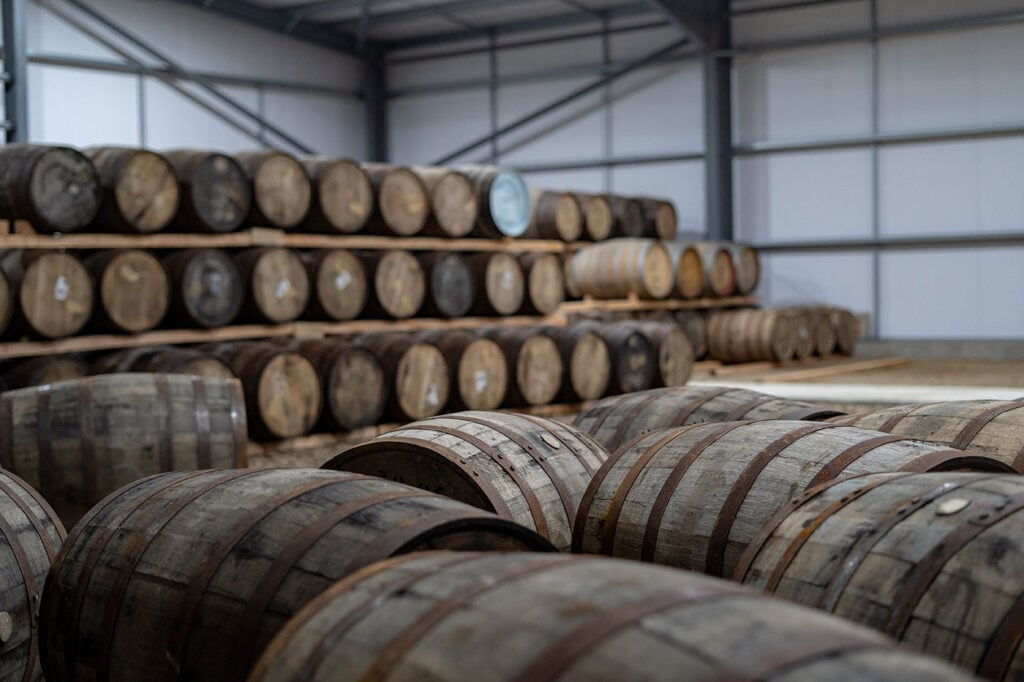
The seal arrives at an interesting, or even tricky time for whisky
Timing matters
The launch arrives at an interesting moment for American spirits. American whiskey exploded over the past decade or so. New distilleries appeared everywhere. Investment poured in. Consumers enthusiastically chased age statements, allocated releases, and increasingly expensive bottles.
But the landscape has shifted. Premiumisation is wobbling. Consumers are becoming more price-conscious. RTDs continue to eat shelf space. Smaller distillers face rising costs across the board and fiercer competition than ever. Some producers who looked unstoppable five years ago now look vulnerable.
Against that backdrop, the Certified Craft Seal is a reminder that independent distilling still exists beneath the noise.
But will consumers actually care? That’s the real question. Most shoppers still buy with their eyes first. Packaging matters. Price matters. Familiarity matters. A logo alone probably won’t suddenly transform consumer behaviour.

The most important thing, of course, is that a spirit is tasty
No magic cure
Symbols do matter over time. Organic certification mattered. Fairtrade mattered. Even if consumers don’t initially understand every detail behind the seal, repeated exposure gradually builds recognition. And perhaps more importantly, it forces conversation. Who actually makes your whiskey?
The ACSA’s Certified Craft Seal won’t magically solve the craft spirit identity crisis overnight. But its arrival reveals that independent American distillers increasingly believe authenticity is no longer obvious on the shelf.
And when an industry starts certifying what counts as authentic, it’s usually because authenticity has become harder to spot.