Cognac
Cognac from France is the most famous brandy in the world, a byword for quality and luxury.
Jump to section
Author:

Reading time: 8 minutes
What is the difference between brandy and Cognac?
A brandy can come from anywhere but Cognac is a type of brandy that can only come from the Cognac region in south west France and has to be made according to strict regulations laid down by the BNIC (Bureau National Interprofessionnel du Cognac.)
The Cognac region is divided into six smaller regions in decreasing order of prestige: Grande Champagne, Petite Champagne, Borderies, Fins Bois, Bons Bois and Bois Ordinaires. Grand and Petite Champagne are famous for their chalky soils which tend to produce the most elegant spirits. In contrast Fin Bois and Borderies are made up of largely clay soils which produce weightier spirits. Finally the lightest spirits are produced in the sandy soils of the Bon Bois and Bois Ordinaires.
Most Cognacs are blended across regions into a house style though you do see expressions that come only from a particular sub-region. The less prestigious areas can produce fine spirits so don’t turn your nose up at a Cognac from the Bons Bois.
How is Cognac made?
98% of Cognac is made from a grape called ugni blanc but other grapes are also used in the region including colombard, folle blanche and semillon. The grapes must come from the Cognac region which is just north of Bordeaux. They are fermented into a light acidic wine of about 8% alcohol which is ideal for distillation. No sulphur, a preservative, can be added as this would spoil the resulting brandy so the wine must be distilled within months of fermentation.
The wine is distilled twice in traditional pot stills as with malt whisky (though the stills tend to be smaller.) Brandies that are designed for long ageing are often distilled on the lees, yeast left over from fermentation, whereas ones that are meant to be drunk younger aren’t. The eau-de-vie (clear new spirit) is aged in French oak barrels of about 300-400 litres. Usually the spirit spends some time in new oak before being transferred to used casks to prevent it getting too woody. Cognac is usually a blend of ages and sub-regions, and sold according to a designation eg. VA, VSOP, XO.
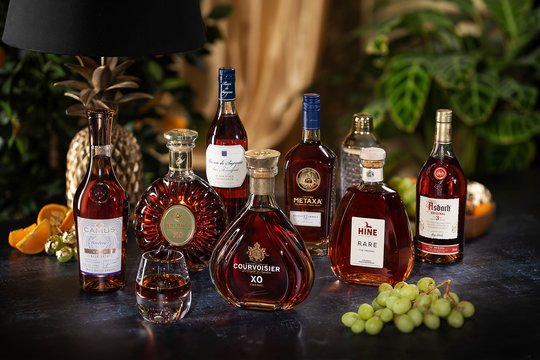
VS stands for Very Special and is aged for a minimum of two years; VSOP stands for Very Special Old Pale and is aged for a minimum of four years; XO stands for Extra Old and aged for a minimum of ten years though until 2018 it was only six years. In practice most XOs are older. There’s also Napoleon, minimum six years, and Hors d' Age which means ‘beyond age’ which is a minimum of ten years though usually used for much older spirits. You will also see age statements on bottles which as in whisky are a minimum age as well as vintage releases and, rarely, single estate or even single vineyard offerings.
How do you drink Cognac?
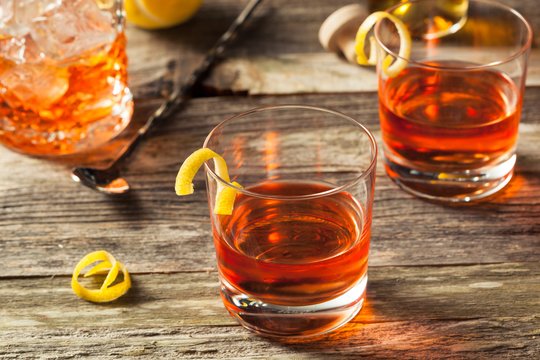
Cognac is traditionally drunk neat after a meal in a large balloon glass or in a smaller stemmed glass like that used for tasting whisky. But it is also a versatile mixer. When rye, bourbon and Scotch were being drunk by grizzled rustic types, Cognac was the original cocktail ingredient in such classics as the Old-Fashioned, Sazerac or Mint Julep. Specific Cognac cocktails include the Vieux Carré (Cognac, bourbon, bitters, vermouth and Benedictine), the Sidecar (Cognac, lemon juice and triple sec) and the Horse’s Neck (Cognac, ginger ale and bitters). Cognac is very food friendly - lighter styles can be drunk with oysters or ceviche whereas richer XOs go very well with chocolate, nuts and dried fruits. And of course the cigar smoker has no greater friend than a mellow old Cognac.
Cracking Cognacs
There's no better way to learn than to taste, so try these smashing and sophisticated Cognacs!
More Brandy guides
Find out about the different types of brandy, delicious cocktail recipes, and more...