Stillgarden and the Irish Herbal Liqueur Taking on Chartreuse


Stillgarden Distillery in Dublin says it’s for the modern spirit drinkers. Making Irish Chartreuse-style liqueurs is one way to prove that.
That’s Chartreuse-style liqueur. Let’s get that right. Chartreuse belongs to the Carthusian monks of France. They’ve been guarding that recipe since the 1700s with the kind of secrecy normally reserved for nuclear launch codes and your aunt’s Christmas trifle.
So no, you cannot make Chartreuse. But you can look at the category. You can admire it. You can poke it with a stick and ask interesting questions about it.
Meet Stillgarden Distillery
And if you happen to run a slightly mischievous distillery in Dublin 8 with a lab, a garden full of herbs, and a healthy disregard for convention, you can absolutely try to make something inspired by it.
“We love amari, herbal liqueurs and all the fun stuff you find on a back bar,” says Connor Howlett, brand ambassador and lead gardener at the distillery in Inchicore.
“We care little for tradition. One of the core values is to be ‘unbound’, which means not being a servant to local tradition or provenance. Why can’t Ireland produce a take on amaro, aperitif or in this case, herbal liqueur?”
Stillgarden does not make Chartreuse. It makes Glas 55 and Buí 43. Two herbal liqueurs that very clearly nod toward green and yellow Chartreuse while also doing their own distinctly Irish thing.
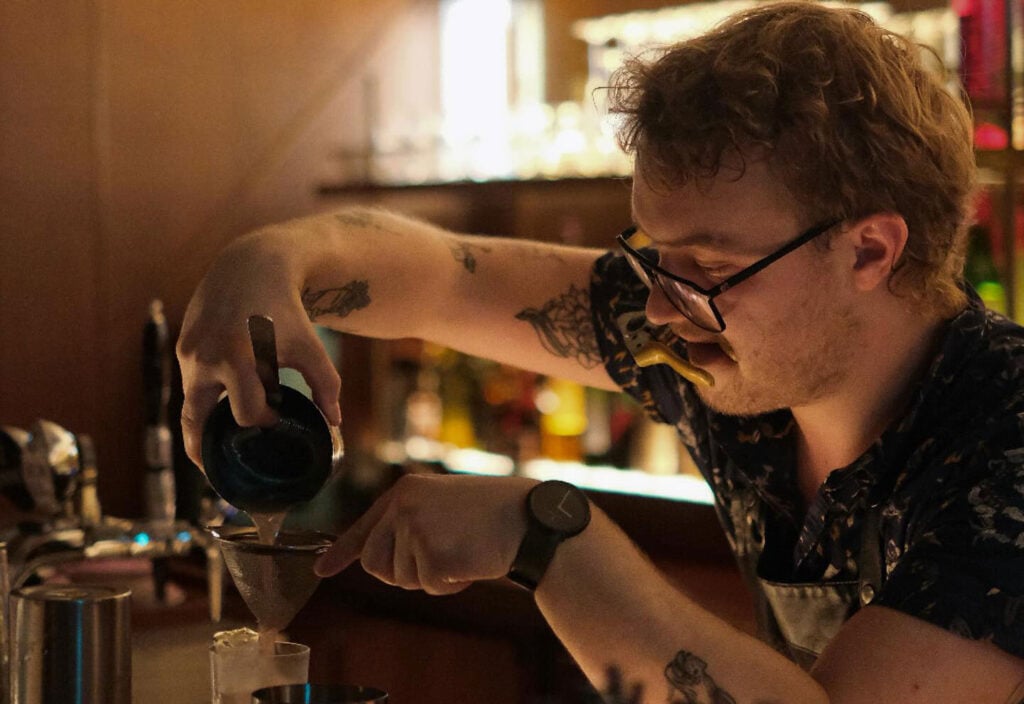
Say hi to Connor!
First things first: what is Chartreuse?
Classic Chartreuse refers to a pair of French herbal liqueurs that combine 130 herbs, plants, and flowers in Green (55% ABV, herbal, pungent) and Yellow (43% ABV, sweeter, mellower) editions. Their intense flavour has made them a bartender favourite and the backbone of cocktails like the Last Word and the Naked and Famous.
Only two monks know the full recipe at any given time, which sounds like the setup for a Dan Brown novel but is apparently just how they roll.
The secrecy and tradition mean that Chartreuse production isn’t a volume game. But quality creates demand. That adds up to a dramatic supply tightening in recent years. The monks’ response has been to prioritise being monks and not satisfying global cocktail demand. Pretty bloody selfish.
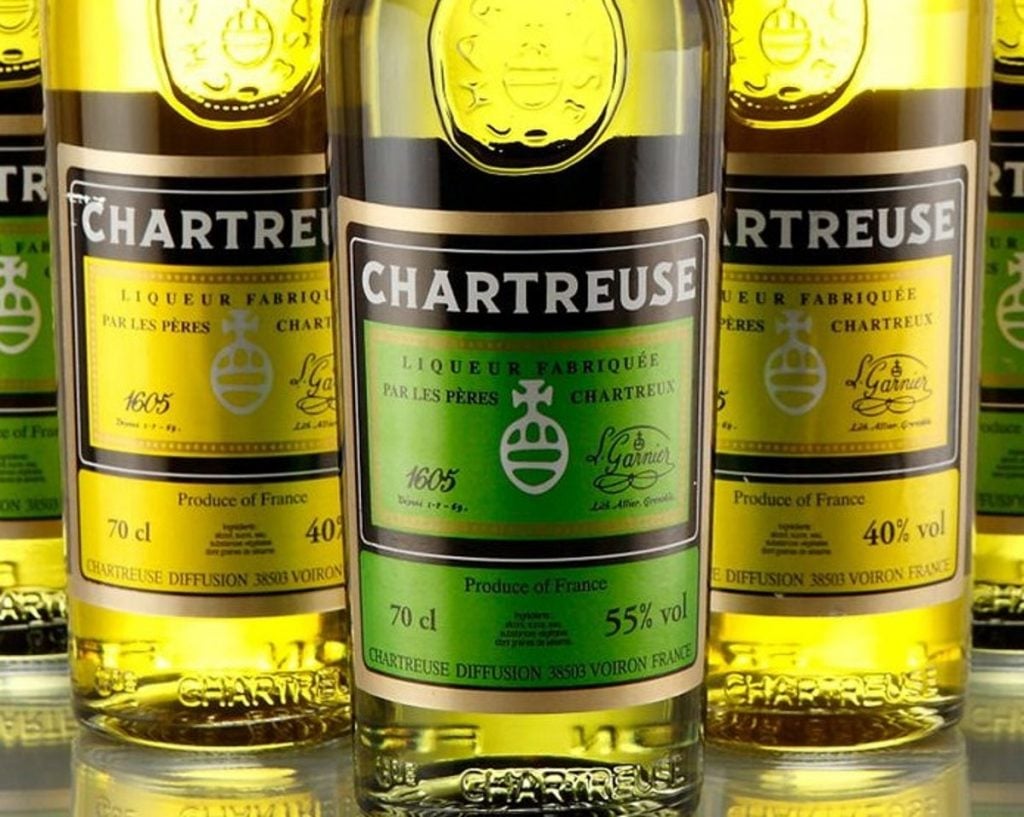
Chartreuse is one of the great liqueurs. Here’s a worthy alternative.
Why make “Chartreuse”?
Bartenders still need Chartreuse. Which means the moment supply shrinks, opportunity appears.
“We are always looking at interesting and unusual categories to do something interesting in,” says Howlett. “Herbal liqueurs had been on the wishlist of ideas our team had drawn on the walls of the lab.”
Then the requests started coming in.
“It definitely helped that we began getting suggestions from some of our favourite bars and mixologists who wanted to bring back cocktails like the Last Word and Naked & Famous.”
Glas 55 and Buí 43: Ireland’s green and yellow
Glas means green in Irish. Buí means yellow.
Glas 55 is the green herbal liqueur. It sits at 55% ABV, deliberately mirroring the strength of Green Chartreuse, and brings together botanicals including anise, nettle, lemon balm, peppermint, and clove.
Buí 43 is the yellow counterpart. Slightly softer at 43% ABV, it introduces honey alongside similar botanicals, creating a rounder, warmer profile.
Peppermint plays a particularly important role. It was one of the botanicals bartenders grew for Stillgarden’s community garden during the pandemic, says Howlett. “It’s also a core ingredient in our Social Gin, so using it here is a nod to the foundations of the distillery.”
There’s also a practical side. “The mint is delicious paired with hot chocolate,” he adds. “That’s how I spend my days around Christmas time, treating the bartenders of Dublin.”
A tough life.
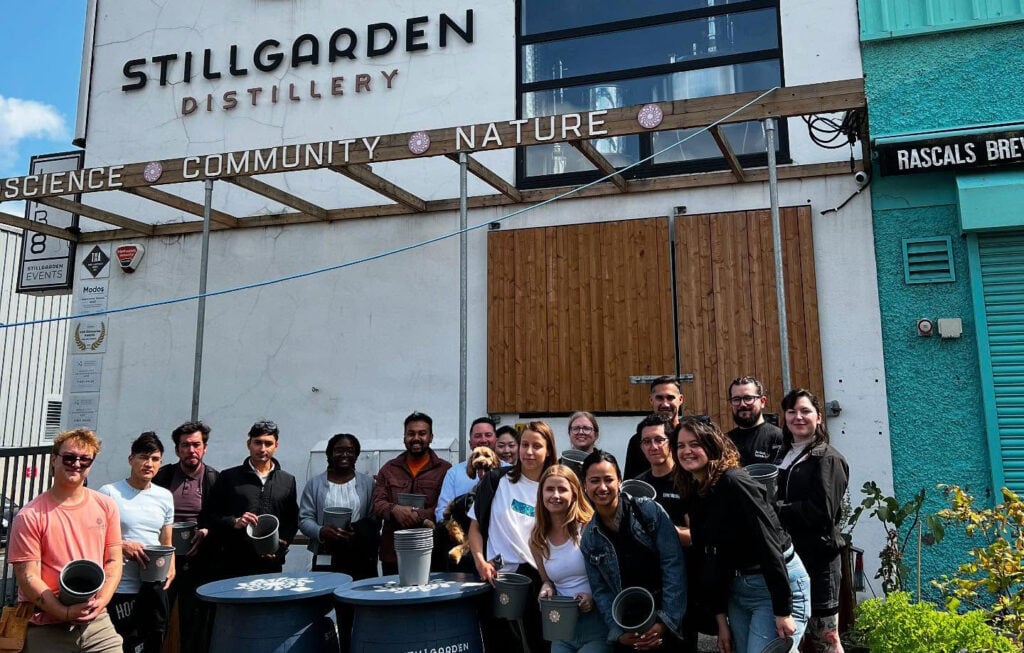
The Stillgarden Distillery in Dublin
Science, b*tch
Traditional herbal liqueurs rely on maceration. You soak botanicals in alcohol and let time do the work. It’s effective. It’s romantic. It also takes ages. Stillgarden adds ultrasonic extraction to the process. In simple terms, high-frequency vibrations agitate the mixture, dramatically increasing the interaction between alcohol and botanicals.
“The rapid vibrations create more agitation between ingredients and alcohol,” explains Howlett. “The collisions are small enough not to degrade essential oils, but they increase the potency and concentration of flavours.”
Ultrasonic extraction is more lab than monastery, but the results speak for themselves. It also means the distillery can achieve complexity without resorting to eye-watering botanical counts. “Why throw more than 100 botanicals into something if we can find a recipe that works in classic cocktails with fewer than 20?” Why indeed.
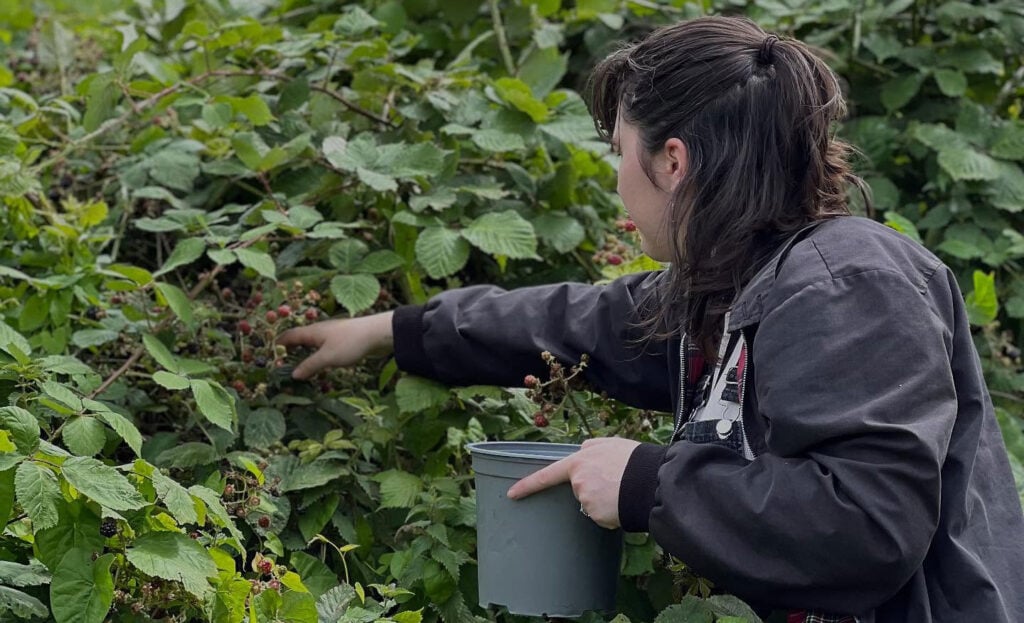
Berry handy when you can grab botanicals from the garden
The garden that flavours the liqueur
Another defining feature of these liqueurs sits just outside the distillery. Stillgarden grows a large portion of its botanicals itself. Peppermint, lemon balm, nettle, sage and more all grow in the distillery garden.
During the first lockdown, Stillgarden gave grow kits to out-of-work bartenders and invited them to cultivate botanicals at home. When the plants came back, they were added to the garden and eventually found their way into the distillery’s spirits.
The garden also forms part of the All Ireland Pollinator Plan, encouraging bees, butterflies and other pollinators. Which means the same herbs flavouring your drink are also feeding half the local insect population. Everyone wins.
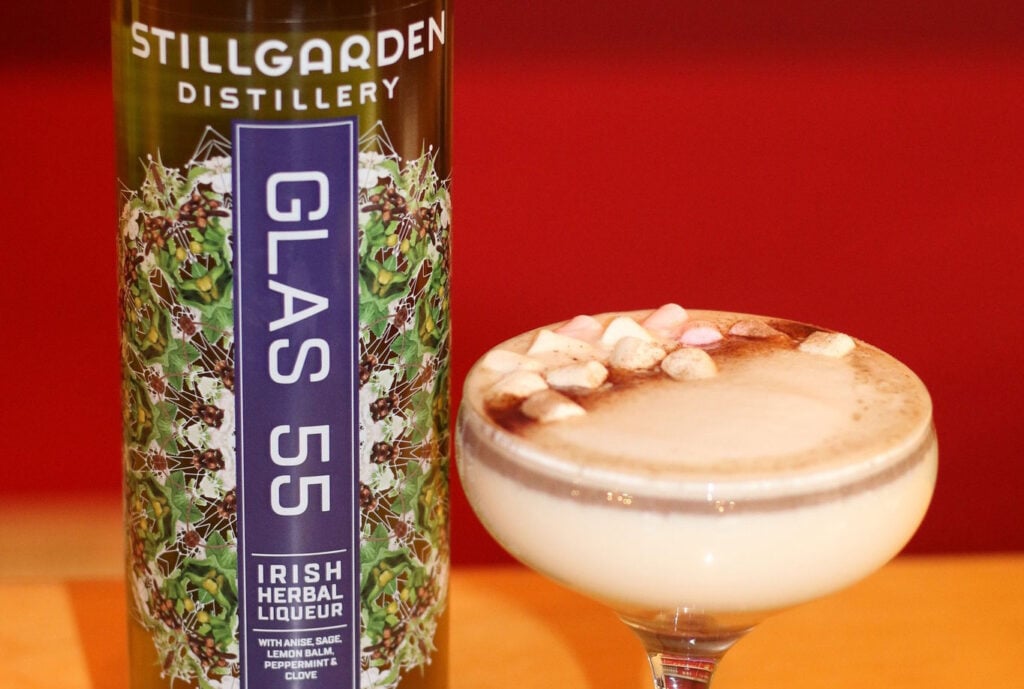
Hot chocolate, anyone?
Stillgarden: Dublin’s prosocial disruptors
Stillgarden describes its philosophy as prosocial disruption, which sounds like something a management consultant would write on a whiteboard but actually boils down to something refreshingly simple.
Make spirits that look forward instead of backwards. Like the incredibly named O’Maro (instead of Amaro) or the fruity Berrissimo.
The distillery builds drinks using local botanicals, modern extraction techniques, and an emphasis on sustainability and community involvement. They run community gardening projects, foraging trips, cocktail experiments, and treat spirits production like a collaborative playground.
Which is how Glas 55 and Buí 43 happened. Not because someone said, “let’s copy Chartreuse”. But because someone looked at the back bar and said, “Herbal liqueurs are brilliant, why don’t we make our own?”
Not Chartreuse. Not trying to be.
Replacing Chartreuse outright is both impossible and unnecessary. The goal was to create something that could work in the same cocktails while still standing proudly on its own.
“History has shown us that moments of scarcity can lead to great innovation and creativity. Without the traditions of herbal liqueurs and amari, our products would not be what they are today, but they firmly maintain their own identities too,” says Howlett. “We’re the upstarts. So we’re genuinely more interested in offering diversity and excitement to the category.”
So, what if a French monk tasted Glas 55? Would he nod politely or call his lawyer? “We’d like to think he’d skip his benedictions and have another,” Howlett says. “We actually had a customer from Chartreuse visit the distillery, and he was very impressed—he even wore a hoodie with “Chartreuse” on the front!”
Even if Chartreuse returned to full global supply, Stillgarden knows enough customers who say they either prefer Glas and Buí or have found their own unique uses for them. Which is exactly the point.
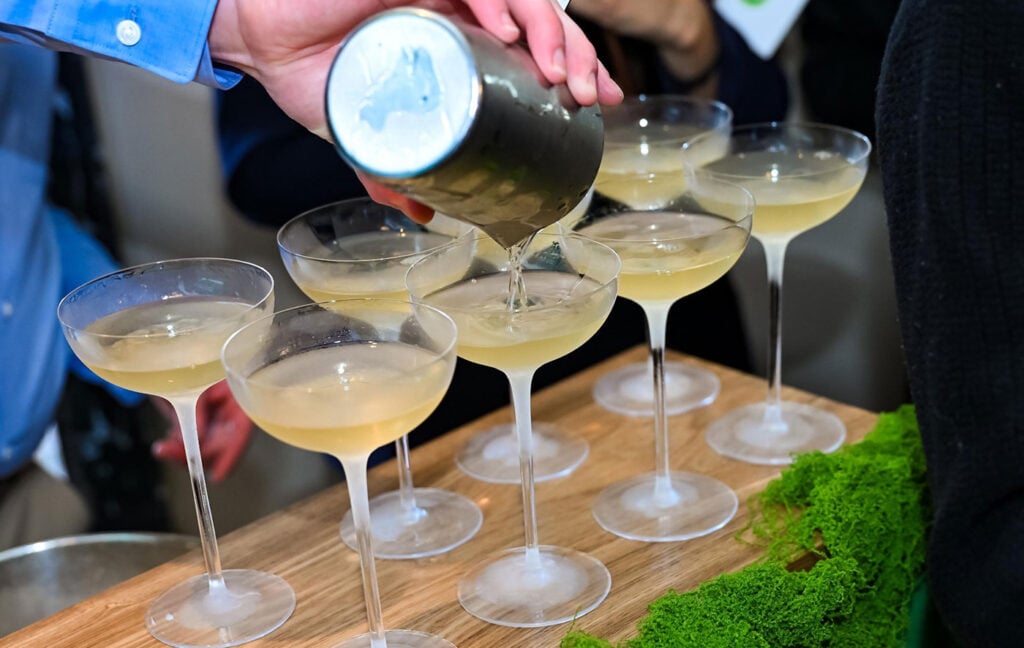
Get yourself some liqueurs and start making cocktails!
The distillery that distilled a chicken fillet roll
Stillgarden’s sense of humour helps.
This is, after all, a distillery that once distilled the Irish delicacy known as a chicken fillet roll for an April Fool’s joke. People then asked them to release it as a real product.
Co-founder Viki Baird has also distilled Creme Eggs into vodka for an Easter cocktail class, which should tell you everything you need to know about the lab culture there.
Against that backdrop, herbal liqueurs seem positively sensible.
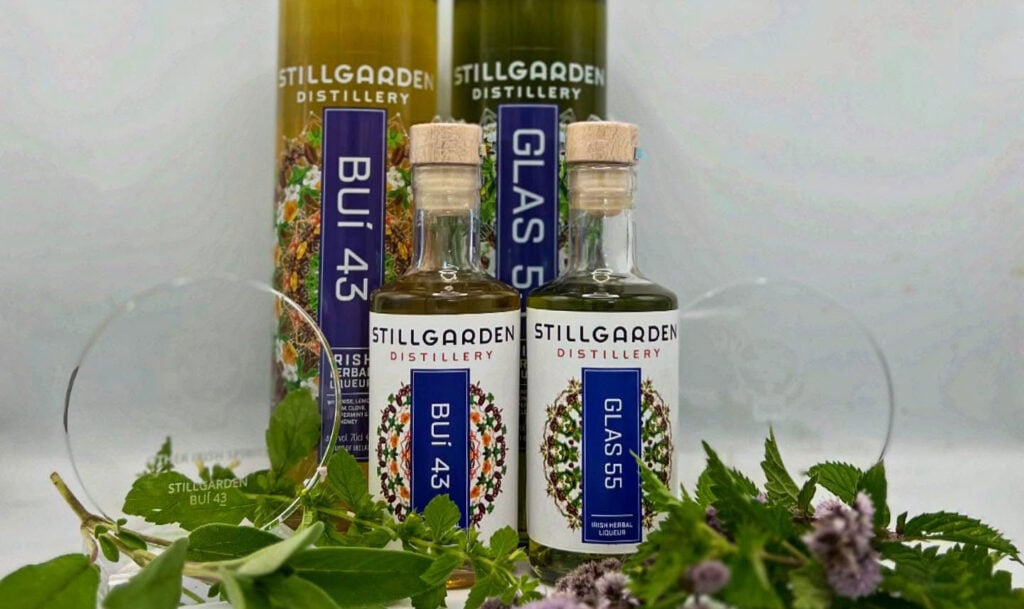
Stillgarden Glas 55 and Buí 43
Ireland’s herbal future
The bigger story here isn’t just a pair of liqueurs. It’s the idea that Ireland doesn’t need centuries of precedent to enter a category. The country has a thriving distilling culture again, a growing cocktail scene, and increasingly adventurous producers.
Slavish adherence to old or indeed new methods misses the point for Howlett and co. It’s about sustainably creating something exciting. Respect the classics, learn from them, then go and make something new. Herbal liqueurs have historically been dominated by France and Italy, but that doesn’t mean Ireland can’t have a say.
If nothing else, Glas 55 and Buí 43 prove one thing very clearly. Give a few Irish distillers a garden, a lab, and a shortage of Chartreuse, and they will eventually find a way to make something interesting.
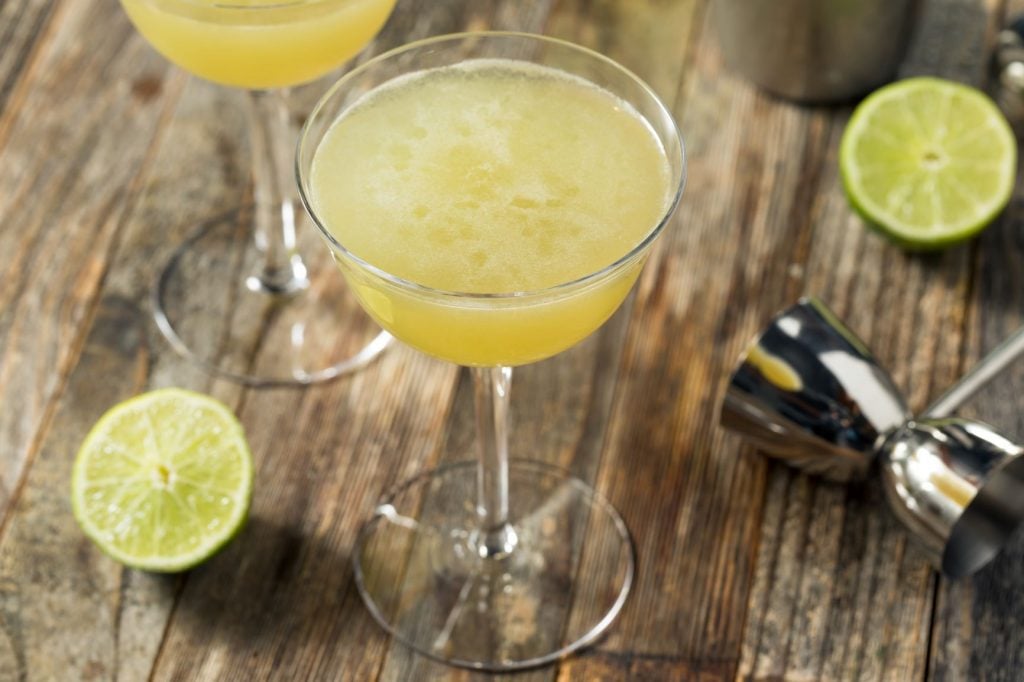
The Last Word Cocktail
Classic cocktails that use Glas 55
One reason bartenders have embraced Glas 55 and Buí 43 so quickly is simple. They work in the same places Chartreuse normally lives. See for yourself and make a classic with something new. How about a Last Word for St Patrick’s Day?
Last Word Cocktail
One of the great equal-parts cocktails, created in Detroit during the Prohibition era and revived by the modern cocktail movement.
30ml Glas 55
30ml gin
30ml Maraschino liqueur
30ml fresh lime juice
Shake with ice and strain into a chilled coupe.
The herbal punch from Glas 55 gives the drink the same bright, green backbone the original is famous for.



