Liqueurs by flavour
Author:

Reading time: 7 minutes
Cream liqueurs
The biggest name here is Baileys Irish Cream which was created in the 1970s by IDV (International Distillers & Vintners, a forerunner company of Diageo). It’s both a whiskey liqueur and cream liqueur and quickly became so popular that it has inspired a whole category. There are now all kinds of cream liqueurs like Amarula from South Africa which is made with fruit from Marula tree, Bumbu Creamy Liqueur made with Caribbean rum, and Kyrö Dairy Cream Liqueur which is made with Finnish Rye Whiskey. You can now buy dairy free ‘cream’ liqueurs that are made with almond milk or horchata, a Spanish drink traditionally made in Valencia with soaked, ground and sweetened tiger nuts

Coffee liqueur
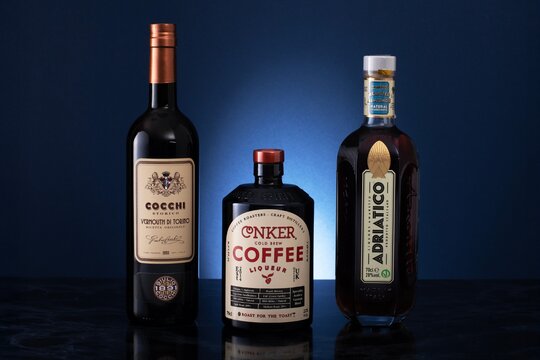
If you’re looking to make a White Russian or an Espresso Martini, then you need a coffee liqueur. The market leaders are Kahlua and Tia Maria but there are all kinds of other rivals such as Ojo de Dios ODD Café Mezcal and Cazcabel Coffee Liqueur which is made with Tequila.
Chocolate liqueurs
In order to add chocolate flavour to cocktails, most bartenders reach for crème de cacao. Made by big brands like Bols, it comes in two colours: brown and colourless – the darker one being richer with more chocolate flavour. You can also buy all kinds of other chocolate-flavoured liqueurs such as Riverside Dark Chocolate Whisky Liqueur.
Honey and caramel liqueurs
Most liqueurs nowadays are sweetened with cane sugar which doesn’t have much flavour but in the past honey would have commonly been used as sweetener. Honey liqueurs like Krupnik Honey Vodka or Drambuie therefore have ancient roots. There are also various liqueurs flavoured with caramel, toffee, or fudge where the sweetening element also provides the main flavour note.
Floral liqueurs
Elderflower is an extremely popular ingredient for flavouring liqueurs. One of the best known brands is St. Germain, a bittersweet elderflower from France which also fits into the aperitif/ amari category. Cocktail enthusiasts might also want crème de violette (made with violets and an essential ingredient in an Aviator cocktail) and rose liqueur in their drinks cabinets.
Herbal liqueurs
These are some of the oldest drinks around. Many monasteries in the past used to create their own special liqueurs from a mixture of herbs, spices and eaux-de-vie. The best known of these is Chartreuse, created by Carthusian monks in the 18th century and comes in two main varieties green and yellow. Then there’s Benedictine, which though it is also named after an order of monks, has purely secular origins. Bitter herbs like gentian are particularly popular in liqueurs with aperitif brands such a Suze from France
Fruit liqueurs
These are some of the easiest liqueurs to make at home. All you need to do is steep fruit and sugar in any kind of alcohol, leave it for a few months and you have your liqueur. In Britain making sloe (a kind of wild plum) gin is very popular while every family in the south of Italy has its own recipe for limoncello. Or you can just let the professionals do all the hard work for you. Many fruit liqueurs are known by their French name, hence crème de cassis (blackcurrants), crème de mure (blackberries), and crème de fraise (strawberries). Then there are orange liqueurs like triple sec, the most famous brand being Cointreau, or orange Curaçao. A Curaçao, named after a Caribbean island, contains herbs and spices alongside orange – it also might be blue though this is just food colouring and makes no difference to flavour. And finally no cocktail cabinet is complete without a bottle of Maraschino liqueur, made with bittersweet Italian cherries.
Spice liqueurs
All kinds of spices such as nutmeg, chilli, ginger, vanilla and others are used to make liqueurs but anise is probably the most popular. Famous spiced liqueurs include Kummel, made with caraway, cumin and fennel, Galliano, made with vanilla, orris and anise, and Goldschläger, a kind of cinnamon schnapps that also contains real gold leaf! Probably the biggest group within this sub-category here are anise-based liqueurs.
Nut liqueurs
Warning, may contain nuts. There are liqueurs made with all kinds of nuts such as almonds, hazelnuts and walnuts. The two most used nut liqueurs are both Italian: Frangelico which is made with almonds and Amaretto which is often made with almonds but the most famous brand Disaronno actually gets its nutty bittersweet note from apricot kernels. So in fact your nut liqueur may not actually contain any nuts. Both are delicious sipped neat or for adding a little nutty goodness to cocktails like the Espresso Martini or an Old Fashioned.
More Liqueur guides
Whether you're shaking up a cocktail or looking for something sweet to sip after dinner, here are a selection of our favourite liqueurs.
Discover more whisky guides
Find out how whisky is made, about the different types of whisky available, and more...