Single Pot Still Irish Whiskey: Ireland’s Greatest Style, Still Explaining Itself


Scotland has single malt. America has bourbon. Ireland has single pot still whiskey.
And yet, when people talk about prestige whiskey, they still reach for single malt like it’s the only language worth speaking. As if Scotland is the only country fluent in it. Which is particularly ridiculous if you know your Irish whiskey history.
Single pot still isn’t a variation or a category spin-off. It’s a house style. Once people taste it, understand it, they love it. But Irish whiskey is having trouble getting over those first hurdles. Let’s see if we can help. First, a basic definition.
Single pot still Irish whiskey definition: Whiskey made exclusively in Ireland from a mash that must include both unmalted and malted barley. Other grains such as oats or rye are permitted. The unmalted barley gives the spirit an oilier texture, along with creamy, nutty sweetness and warming spice. It’s a whiskey that feels like it has bones.
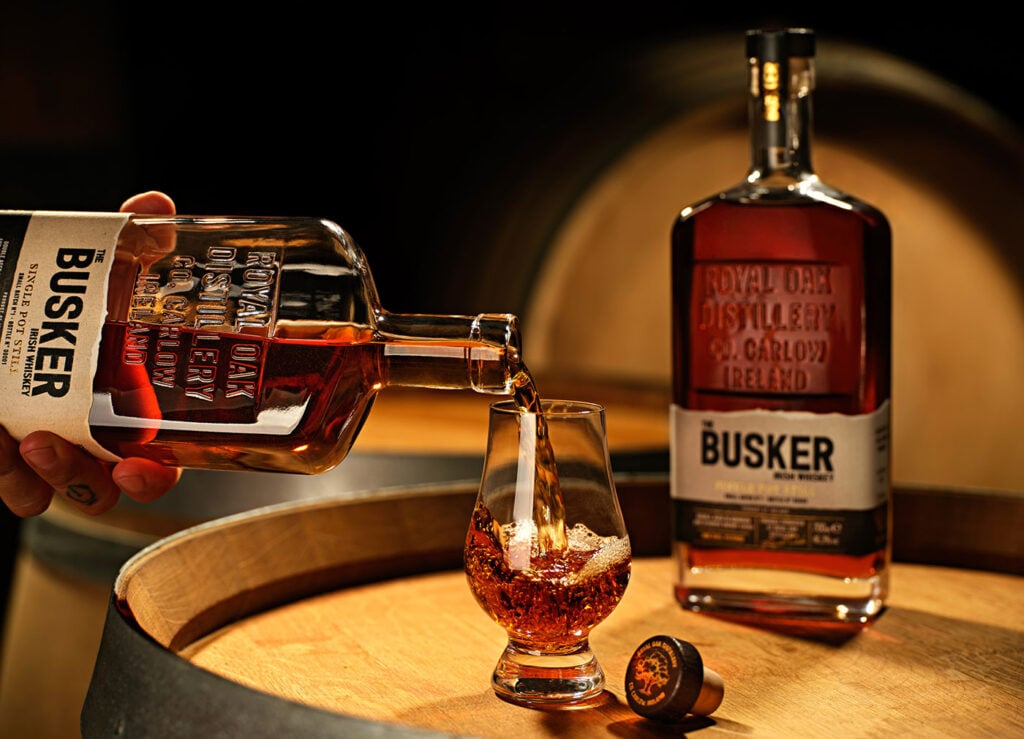
Single Pot Still Whiskey is the only style of whiskey exclusive to Ireland
Born from tax, built into identity
If you want to fully understand single pot still, there’s a deep dive here, but here are the cliff notes. Unmalted barley is the key. Enterprising Irish distillers would have spotted its flavour potential anyway, but the history of single pot still is rooted in that most noble of pursuits: the workaround.
In the 18th and 19th centuries, British taxes on malted barley forced distillers to get creative. A mix of malted and unmalted barley became the compromise that turned into a signature.
By the late 1800s, Irish whiskey dominated global markets. Single pot still sat at the centre of that dominance. Not blends, like Scotch was about to take over the world with. But whiskey that tasted unequivocally Irish.
Hanging on by a thread
Then the collapse came. Trade wars. Prohibition. Independence. Consolidation. The near-total industry reset meant single pot still was almost lost.
Irish Distillers did the most to keep it alive, relaunching Redbreast in late 1991. Today, there are numerous producers of single pot still. A new generation is not just carrying the torch, but shining that light in new places.
So how do they convince people to drink this uniquely Irish style? Only one way to find out. Ask them.

Irish whiskey has been through a lot. Single pot still survived
Flagship or folklore? Depends how brave you are
Ask whether single pot still is Ireland’s flagship style and you don’t get a consensus. You get a spectrum.
Michael Scully, founder Clonakilty Distillery, goes straight down the line:
“Yes, it is quintessentially Irish and genuinely delivers an exceptional premium and differentiated product in a crowded market.”
Paddy Foley, head of production and maturation at Dingle, frames it like this:
“Single pot still certainly has the potential to be Ireland’s flagship style because of its history, but I think Irish whiskey has different styles and different brands that contribute to the diversity of Irish whiskey as a whole. For us, single malt is a significant core element of Irish whiskey.”
David Boyd-Armstrong, co-founder, head distiller & operations director of Rademon Estate, takes it a step further:
“Yes I would be of the view that it was the flagship in the past but as the new wave of distilleries in Ireland start to release their own distilled whiskey it may not always be the case. The category has evolved so much, even with what we do at Shortcross with distilling peated malt, distilling a rye whiskey and other whiskey styles means that’s what our flagship style hasn’t quite been defined yet.”
Woody Kane, brand ambassador at The Busker Irish Whiskey:
“I feel historically Single Pot Still was the powerhouse of Irish whiskey exporting huge volumes around the world. Modern Irish whiskey has to give honour to blends. Single Pot Still still represents Ireland’s most unique fingerprint protected by our GI.. while other countries are working with Pot Still, Ireland is the trail blazer in this category.”
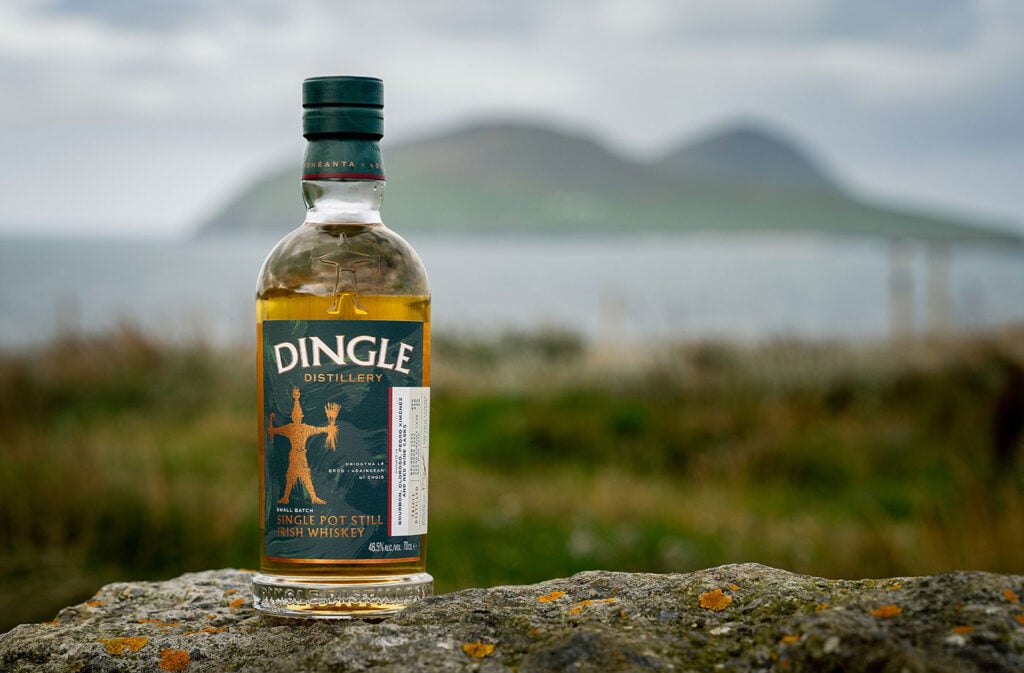
Single pot still whiskey is now made at multiple distilleries across Ireland
Quality? Good. Comprehension? Err…
The problem when marketing single pot still is not that it lacks any character. It struggles because it’s awkward. The name alone is doing it no favours.
Scully puts it plainly:
“I think the name “Single Pot Still” is very confusing. Most people think that it’s called so because it’s distilled in a pot rather than the fact that it’s distilled from malted and unmalted barley. While the average consumer doesn’t understand the meaning, they really love and appreciate the liquid.”
Boyd-Armstrong backs that up:
“I think we have a long road but exciting journey on educating the consumer on what single pot still Irish whiskey. The name presents a challenge as it doesn’t convey that the essence of the single pot still centres on the mash bill and significant use of unmalted barley within that.”
Foley keeps it measured:
“Enthusiasts will understand and appreciate it, but there is work to educate consumers about it.”
Which is industry speak for: we’re explaining this one glass at a time. That’s the paradox. People enjoy it. They just don’t know what it is.
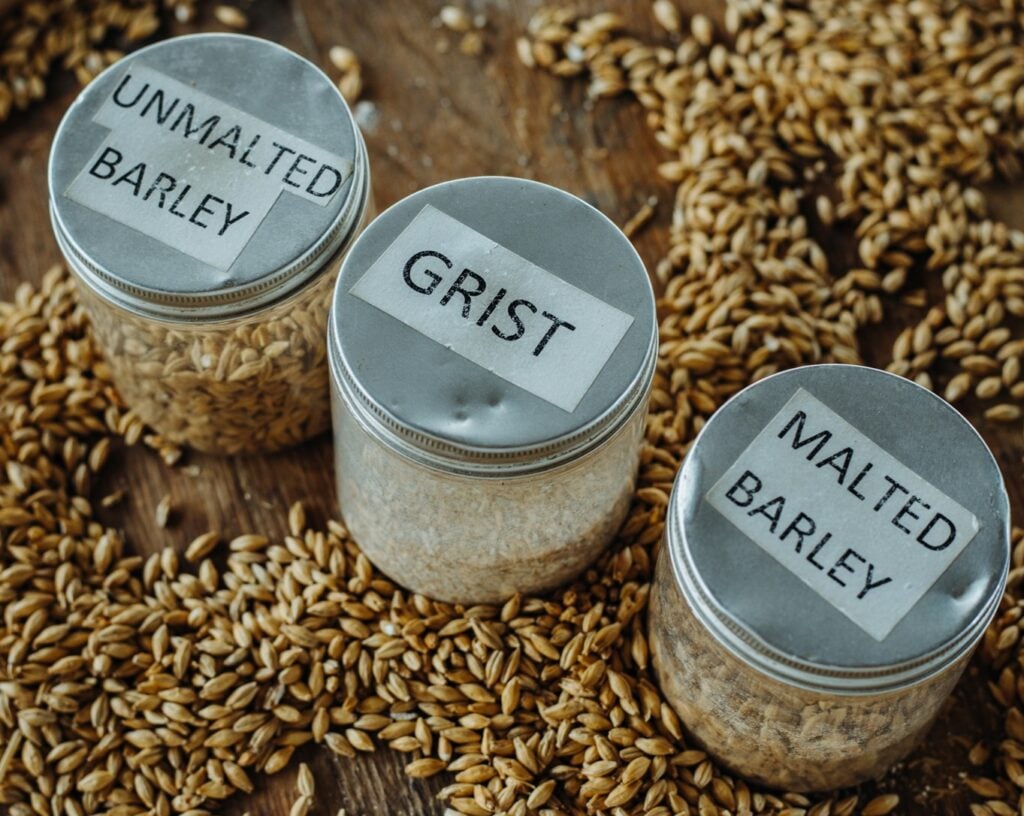
Unmalted barley is the main difference maker, although other grains play a part too
Unmalted barley: the bit that actually matters
Strip everything back and single pot still comes down to one thing. The mash bill. That mix of malted and unmalted barley changes everything. Why?
Scully:
“With Clonakilty Single Pot Still it contributes extra spiciness to the flavour and a creamier mouthfeel to the texture. We also use Pot Still in all our blended whiskeys and the spicy flavour and creamier texture follows through very distinctly.”
Foley:
“Unmalted barley contributes to a slightly more viscous mouthfeel, different cereal notes and spices.”
Boyd-Armstrong:
“It definitely does, what we see with our own single pot still is those flavours of linseed and tobacco leaf coming through. As for texture its such a more robust whiskey, that builds big layers of creaminess and spice to the mouthfeel.”
David Elder, master blender at Royal Oak Distillery:
“It delivers a silky mouth-watering feeling and distinctive spice. Our The Busker Single Pot leaves you with a craving for wanting more.”
Kane:
“Compared to fully malted mash bills it brings texture, a heavier, oilier mouthfeel adding more weight to the palate and some peppery spice. So, it offers that structure and spice which create something that doesn’t really exist anywhere else in whiskey.”
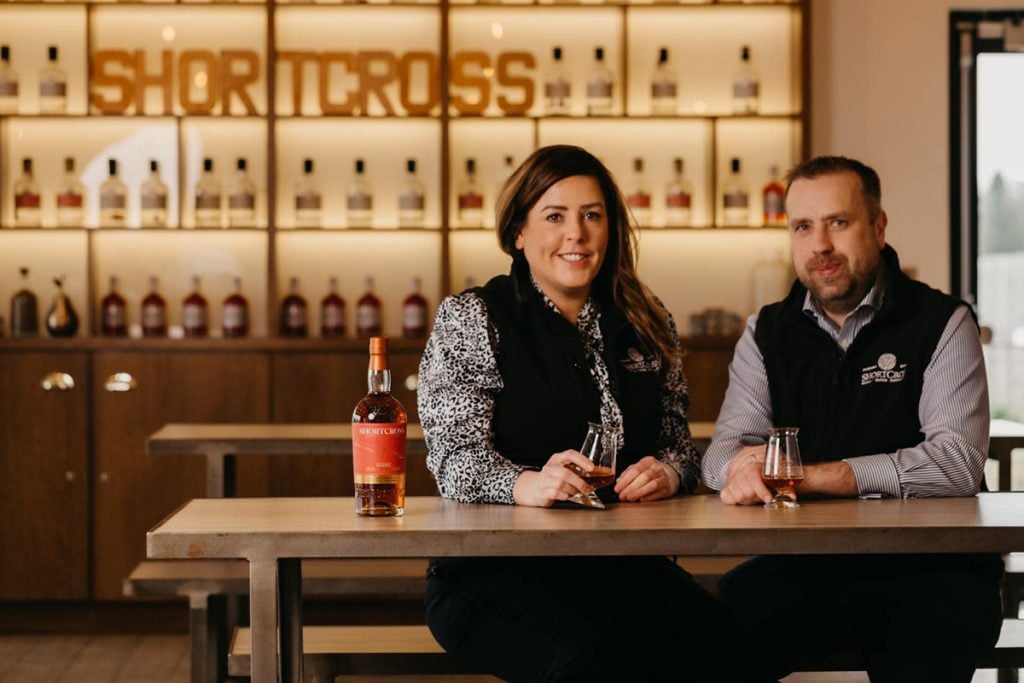
Say hello to David and Fiona Boyd-Armstrong
Single pot still: A harder to sell?
But this is where it gets interesting. Some see people’s unfamiliarity with the style as a barrier. Others see it as the entire opportunity.
Scully:
“We think it’s easier and has a great future. There are hundreds of single malts and single malt blends out there, so single pot still is a new and different conversation for a retailer or barman to have with their customer.”
Kane:
“I see it as an opportunity to show how The Busker can sit so comfortably within the consumer’s whiskey world. It is a fantastic moment of discovery rather than just another whiskey on the shelf. It is a discovery that has you coming back for more.”
Annie Ingram, prestige trade marketing manager at Disaronno International UK:
“From a marketing perspective, Pot Still requires an extra step of education, but premium spirits increasingly win by being distinctive, not familiar. Its Irish-only, legally protected status gives it a strong long-term identity in a crowded whisky market. It may take more explaining but it’s far easier to differentiate.”
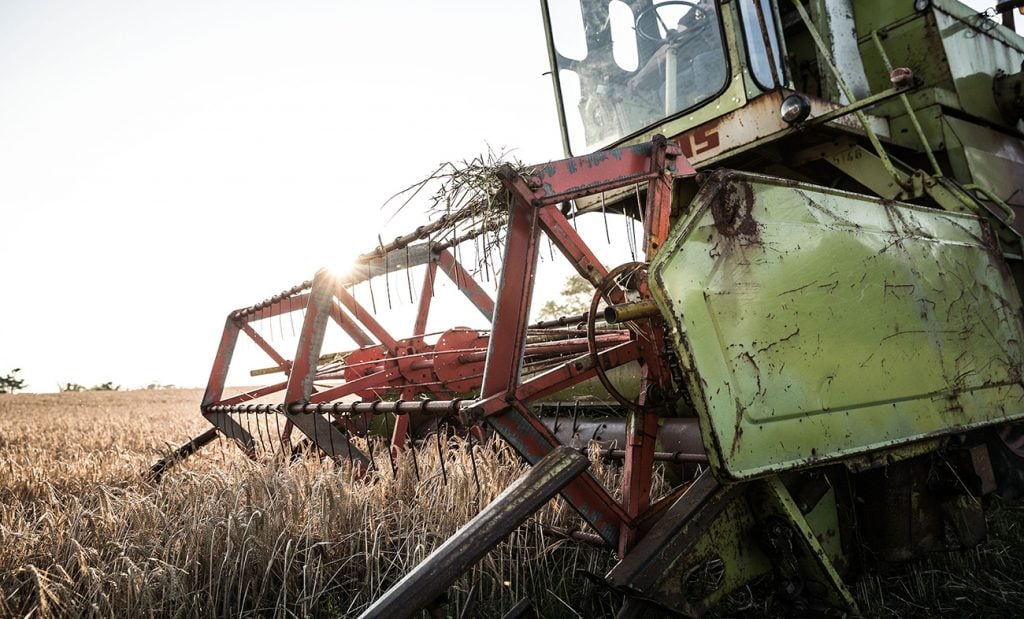
If you thought grains weren’t a hot-button issue in Irish whiskey then think again
GI legislation: protection, clarity, and a bit of tension
Familiarity used to win. Now distinctiveness might. But the future of single pot still is complicated beyond what’s in the glass. It’s about how tightly it’s defined. Most producers want stronger clarity. The GI issue is at the centre of this.
Boyd-Armstrong:
“I think it’s super important for the category and the work that the Irish Whiskey Association and its members has done on this is really important for where the category wants to go in the future. Personally I would love to see clearer legislation on the labelling of Irish Whiskey so that provenance and transparency to the consumer are protected.”
Elder:
“Irish whiskey’s GI rules protect the category overall, but the integrity of Single Pot Still matters more as this is a symbolic part of the industry. Stronger clarity around mash bills, distillation methods, maturation rules, all helps prevent the style from becoming diluted or loosely interpreted. The more transparent we can be with the style, the easier it is for consumers to trust us.”
But not everyone is calling for change.
Scully:
“Single pot still is well recognised and appreciated in Ireland as a premium category to Single Malt. Clonakilty is very satisfied with the quality we produce under the present GI legislation. Our view is “If it isn’t broken, then there is no need to fix it!”

Will Scotch drinkers embrace single pot still?
The Scotch drinker moment
If single pot still is going to grow, it has to win over the most stubborn audience in whisky. Scotch drinkers.
You don’t do that with lectures. You do it with something they recognise, then twist it.
Foley:
“It depends on the Scotch drinker, as there are different regions, brands and styles of Scotch whisky. The unique mash bill of malted and unmalted barley and triple distillation contribute to mouth-feel and spiciness.”
Kane:
“I’d keep it simple by just asking them to imagine the richness of a single malt but with more spice and creaminess.. Scotch being a violin, pot still is a fiddle, same family but a bit wilder and a little more Irish. Then I’d pour them one and let the whiskey do the talking… and once they let something like The Busker Small Batch Pot Still dance with their palate, they usually say… Why haven’t I tried this before?”
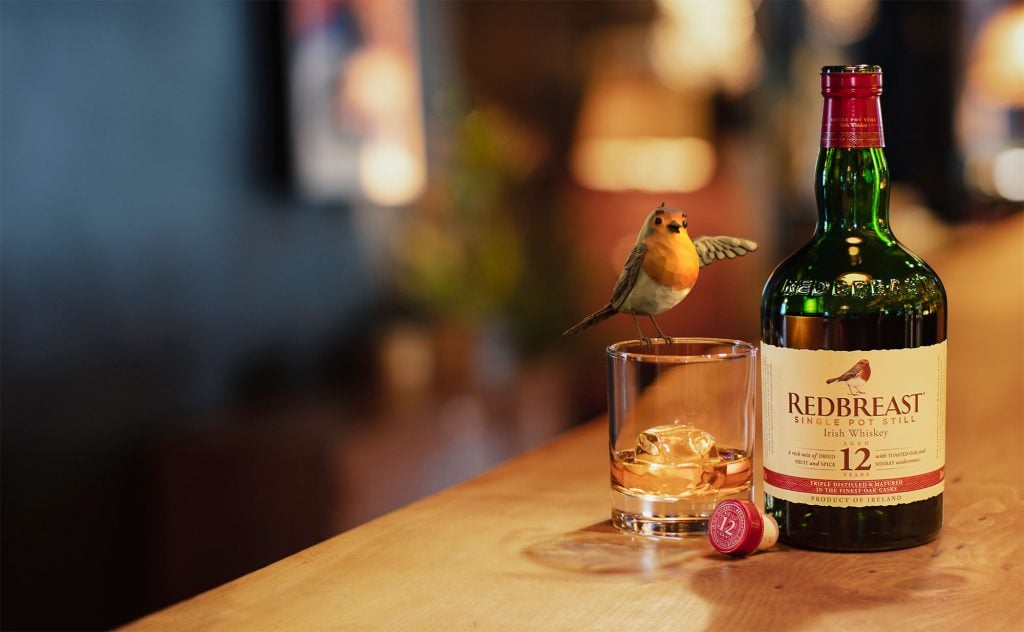
Redbreast is one of the leading examples of single pot still whiskey
The Last Drop: Single Pot Still Irish Whiskey
Single pot still Irish whiskey isn’t lacking quality. It isn’t lacking history. It isn’t even lacking ambition.
It’s lacking a shortcut.
You have to explain it. You have to pour it. You have to let people sit with it. Which is inconvenient. But also exactly why it might matter more in the long run.



