

This is a love letter to rye whisky from Dave Worthington (AKA Boutique-y Dave) that covers history, specifications, countries, cultures… It’s the comprehensive guide to rye whisky.
I’ve got a confession to make. I fell in love with rye whiskey upon my first sip, and it has led me down a whisky path that I’ve found fascinating for its history and flavour profile.
What drew me to rye? Well, I’ve been a bread baker for many years, and I adore the flavour of rye bread. I love good bread, period. Life is too short for shit bread (and coffee!)
The Baltic states are known for their dark, dense, and flavourful rye breads, and rye bread is even the national food of Finland! Other regions across Europe, particularly Germany and Eastern Europe, have a strong tradition of rye bread-making. Rye is difficult to work with, even in bread-making, so I use rye as a flavouring flour in my bread mashbill.

Are you a rye whisky lover?
The thing about rye whisky…
Rye originates from the area around the Black Sea and is today primarily grown in the ‘rye belt’, which encompasses central and northern Europe and extends into Russia. It has been harvested for more than 6000 years, but it was around the year 500 A.D. that the cultivation of rye became important in Central Europe.
When one thinks of rye whiskey, certainly up until fairly recently, one would think of the United States of America. It was the original spirit of the United States of America: the grain brought over by European settlers who found that rye grew much more easily in the conditions of the founding states than the barley they were used to at home. Pennsylvania and Maryland styles established themselves long before Kentucky’s corn whiskey, and later bourbon, got going.
There is little evidence of rye whisky production in Europe, although rye was being used in the Port Dundas distillery during Barnard’s epic travelogue at the end of the 19th century. Rye has been farmed in the UK since Roman times, and was the dominant grain in the Anglo-Saxon era. Its importance declined in the 1700s with the rise of hardy wheat varieties. There was a brief resurgence of rye as a domestic crop during the First World War to make ‘war bread’ to prevent shortages, but it remained a secondary activity for much of the 20th century.
However, rye is grown across central Europe, particularly in Germany and Poland, and various spirits are distilled from the grain. Poland had their Starka, which was aged in oak barrels, and Germany had their Korn, or Kornbrand, both believed to have been distilled since the 15th century. Then, of course, there was Genever, made from a malt wine where rye was used.

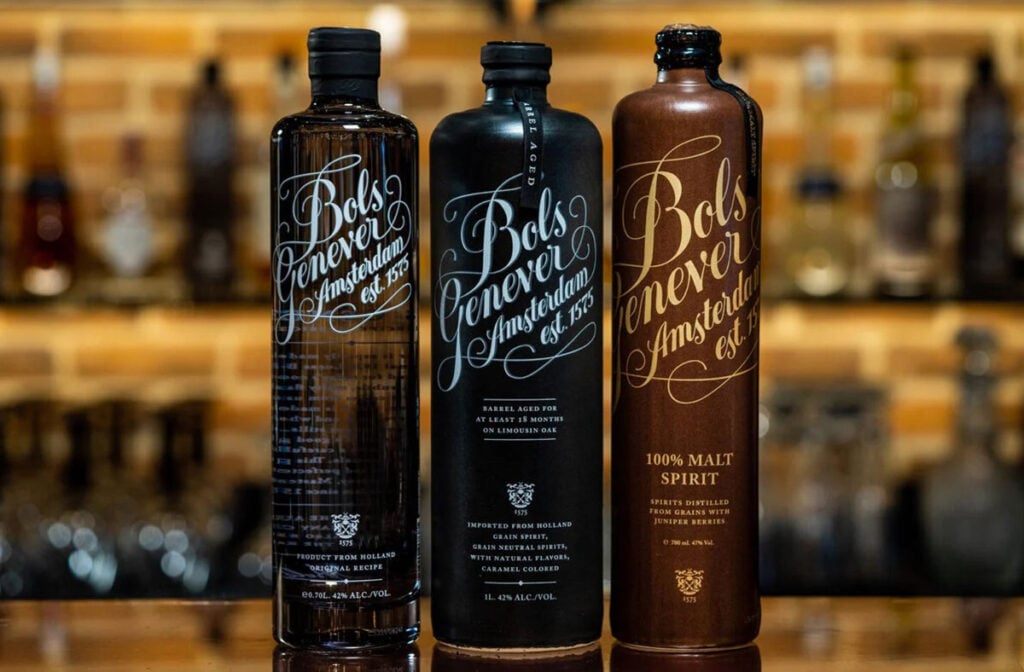
If haven’t yet, you really should try genever
The Beginning of Rye Distillation
Genever
The origins of genever, a juniper-based spirit, can be traced back to the 13th century, in the Netherlands region (long before the modern Netherlands and Belgium existed). The first spirit, moutwijn (malt-wine), is what gives genever its distinctive flavour. This is a kind of unaged whisky (40-80% alc./vol) made by triple and sometimes quadruple-pot distilling a mixture of cereals, typically rye, corn and wheat, with malted barley less commonly used.
Genever was originally produced by simply distilling malt wine (moutwijn in Dutch) to 50% ABV. The resulting spirit was not very palatable due to the lack of refined distilling techniques (only the pot still was available), so distillers added herbs and spices to mask the flavour. Among these, they used juniper berries, jeneverbes in Dutch (from the Latin Juniperus), for their alleged medicinal benefits. Hence the name jenever (and the English name gin).
Starka
Starka was known in Poland and Lithuania at least since the 15th century. Its production methods are similar to those used in making rye whisky, and tradition held that at a child’s birth, the father of the house poured large amounts of home-made rye spirit into an empty oak barrel, often a wine barrel. The barrel was then sealed with beeswax and buried, only to be dug out at the child’s wedding.
The name itself stems from this process of ageing, and in 15th-century Polish meant both the vodka type and an old woman.
Korn
Korn is believed to have been produced in Germany since the 15th century. The first Korn production ban was imposed in 1545. A decree of the city council of Nordhausen prohibited the use of grain or malt for the production of spirits. Historians believe beer brewers wanted to defend themselves against the competition of Kornbrand producers, which had increased the cost of grain. The first “purity law” (German Reinheitsgebot) for the distillation of Korn was established in 1789. The regulation set by the city of Nordhausen stipulated that two-thirds rye and one-third barley or malt shall be used.
Korn is produced through a distillation process similar to that of other grain spirits, such as whisky. The spirit is distilled multiple times to eliminate undesirable aromas and flavours. This yields a high-proof distillate, typically around 85% ABV (in contrast to vodka’s approximately 95% ABV), which is then diluted with water. For premium Kornbrands, the spirit is aged in oak to mellow and integrate the flavour profile before final dilution to the desired drinking strength and bottling.

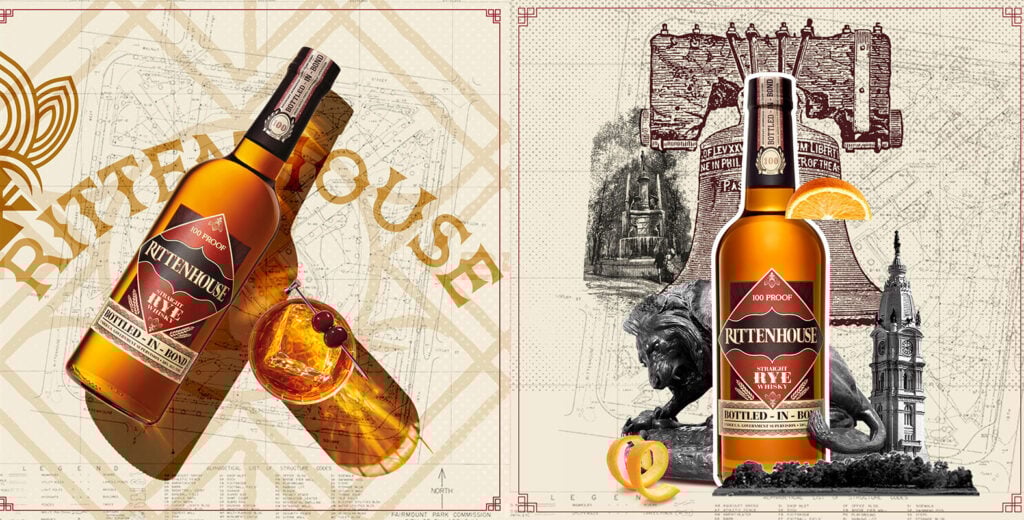
You can buy Pennsylvanian Straight Rye Whiskey today, like Rittenhouse
A Brief History of Rye Whisky
The story of rye whisky begins with the earliest settlers of the New Colonies of the Americas, who brought distilling with them. They found ways of making spirits from any kind of grains and fruits. Rum was the predominant spirit in the new colonies of America; sugarcane and molasses were brought in from the Caribbean. Fruit brandies were also made, mostly from peaches and apples.
Rye was the most common whiskey made in the Atlantic Coast colonies. The Irish and Scots immigrants brought their whisky-making practices with them, while the Germans and Dutch immigrants brought their knowledge of growing rye, the northeast of America having the perfect conditions.
Two main styles developed:
Pennsylvanian Straight Rye Whiskey, which was more commonly known as Monongahela Rye, is named after the river that runs through Pittsburgh. Monongahela Whiskey was made from rye and barley, distilled in, now forgotten, 3-chamber stills. More on those later.
Maryland Rye was a sweeter mix of rye and corn, and often flavoured with cherry or prune juice.
After the Revolutionary War, the British placed restrictions on molasses and rum from its Caribbean islands, making the raw materials for rum scarce and expensive. Rum was also seen as a British colonial product in the wave of post-war nationalism, and the rye whiskey became a symbol of national identity and independence.

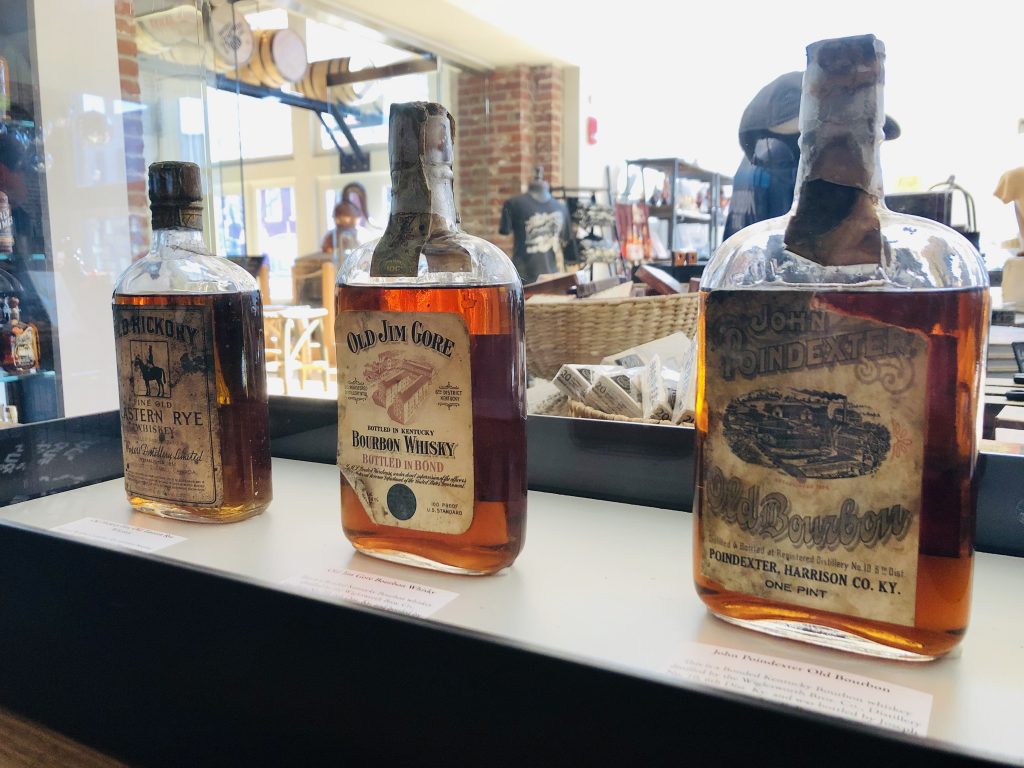
These bourbon and rye whiskies were distilled before Prohibition.
The Whiskey Rebellion and its lasting impact
However, the newly formed United States was deeply in debt. At the urging of Treasury Secretary Alexander Hamilton, President George Washington approved an excise tax on liquor to raise revenue for the new country in 1791, which led to the unpopular Whiskey Rebellion. At that time, Pittsburgh was the whiskey distilling capital of the country, with more than 4,000 stills in operation within the region.
Even George Washington began commercial distilling in 1797 at the urging of his Scottish farm manager, James Anderson, who had experience distilling grain in Scotland and Virginia. It was a rye-based whiskey, with 35% corn and 5% malted barley. Ultimately, Washington became the biggest producer of distilled spirits of his time, making up to 11,000 gallons of whiskey in the year of his death at Mount Vernon.
In 1810, when Kentucky produced 2.2 million gallons of distilled spirits, Pennsylvania barreled up no less than 6.5 million gallons, most of which was prime Monongahela rye. Rye production was just ahead of Bourbon still by 1899, but prohibition put paid to that.

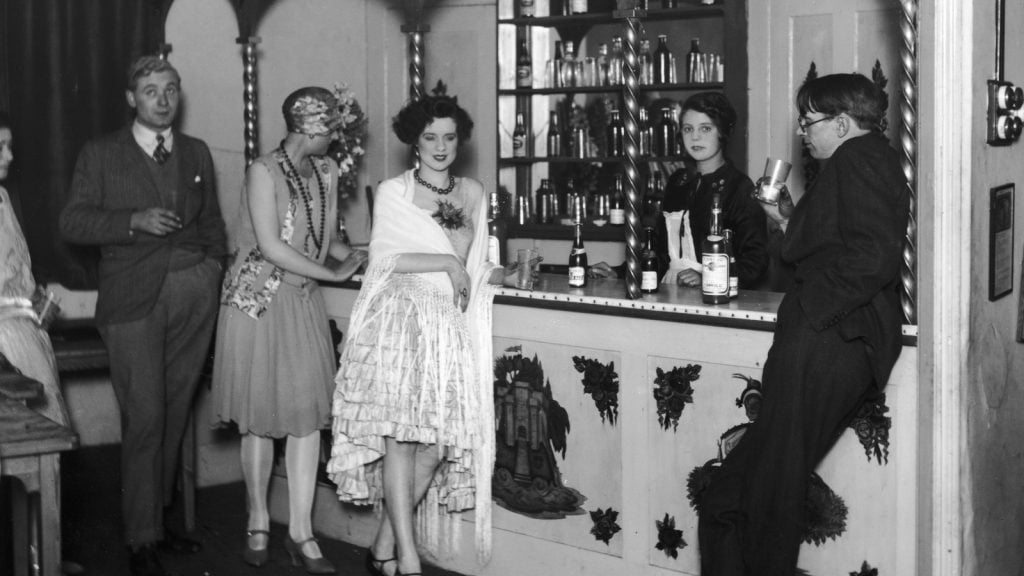
Mine’s an Old Fashioned, easy on the rat poison
Into Prohibition
Prohibition came to America in 1920 and kept its religion-fueled grip on America until December 5th, 1933, which is now affectionately known as Repeal Day and is a cause for celebration every year. The Volstead Act prohibited the manufacture, transportation, or sale of liquor (but not consumption, oddly enough) except for use in scientific research and other “legitimate” industries.
The Chuck Chowdery blog (link here) states 10 medical licences were authorised, but only 6 distilleries applied for and received them. They were prohibited from distilling initially, and then severely limited:
– A. Ph. Stitzel Distillery (Stitzel-Weller) – now part of Diageo.
– American Medicinal Spirits (National Distillers – bought by Beam)
– Brown-Forman – alive and kicking (owns Jack Daniel’s, Woodford Reserve, Old Forester…)
– Frankfort Distilleries – now Four Roses
– Glenmore – now part of Diageo
– Schenley – now part of Diageo
Prohibition dealt a fatal blow to the rye whisky industry, forcing the closure of thousands of small farm distilleries. The market shifted to smuggled Canadian and Scotch whiskies. Following the repeal, large Kentucky distilleries, bolstered by government grants to local corn farmers, came to dominate spirits production in the United States.

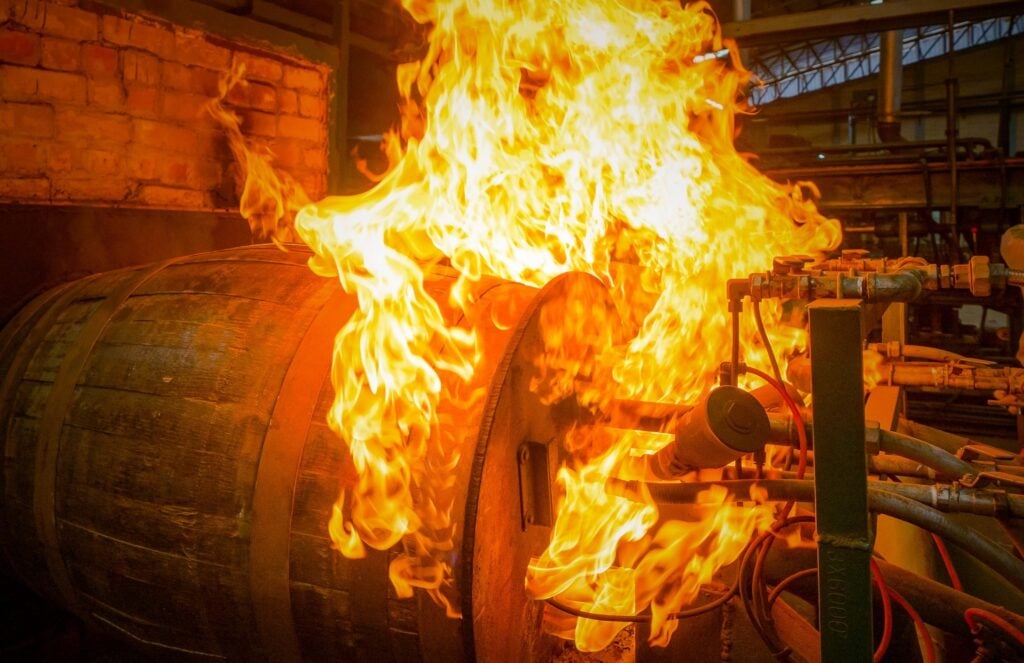
This is an oak barrel being charred. No, really.
Defining rye whiskey
The first federal legal definition for rye whiskey in the United States came into effect in December 1909, and provided the initial federal standards for whiskey types under the Pure Food and Drug Act of 1906.
This established that manufacturers of “straight” whiskey could use the words “bourbon” or “rye” on their labels if the facts warranted it, and it defined whiskey generally as a spirit made from grain.
The specific, modern legal requirements for a spirit to be labeled as “rye whiskey” in the U.S., which include using a mash bill of at least 51% rye, distilling to no more than 160 proof, and aging in new charred oak barrels, were established later through federal regulations that evolved after the repeal of Prohibition, eventually codified in Title 27 of the Code of Federal Regulations.

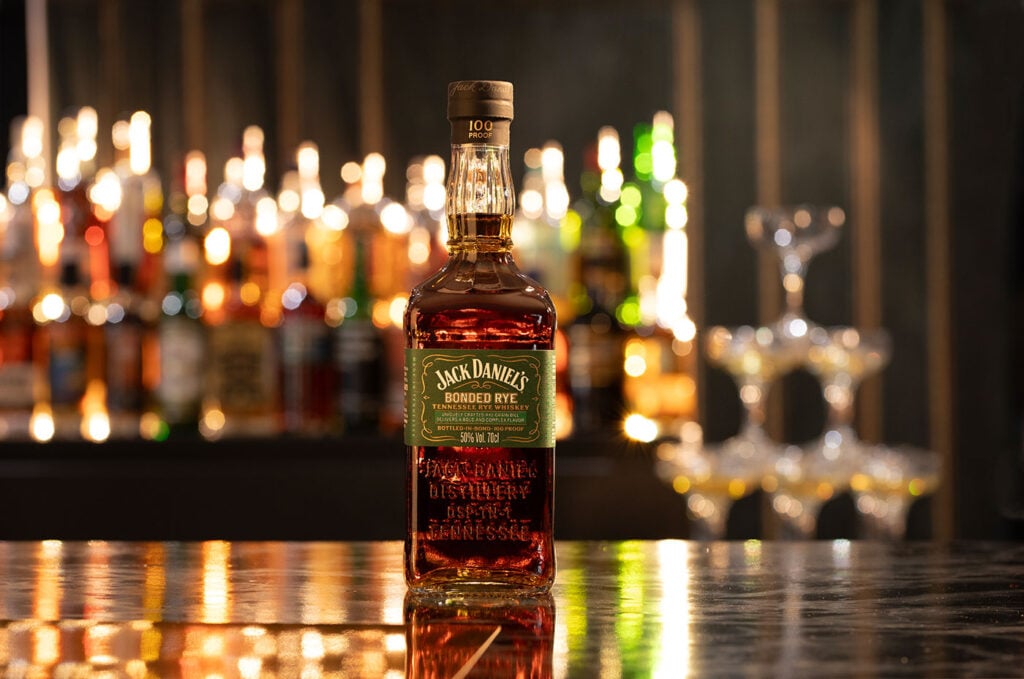
Everybody is on the rye hype these days, even JD!
The American Rye Whiskey Revival
The rye whiskey revival of the 2000s was not led by a single individual but was a movement driven by visionary bartenders, the craft cocktail movement, and pioneering distillers. During the resurgence period, bartenders started rediscovering pre-Prohibition cocktail recipes, such as the Manhattan and Sazerac. These classic drinks were originally formulated to utilise the spicier character of rye, contrasting with the sweeter bourbon that had dominated the market for many years.
Some recent reading introduced me to Mr Larry Ebersold, the man credited with keeping the flame of rye whiskey alive during a difficult period. When he became the head distiller at the Seagram’s plant in Lawrenceburg, Indiana (the facility now known as Seagram’s/LDI/MGP/Ross&Squibb) in 1972, American rye whiskey’s original pioneers were long gone. The craft had suffered immensely. Prohibition had led to the abandonment of distilleries, the exodus of skilled workers, and the loss of generational knowledge in crafting rye. The last of the traditional rye distillers passed away in the late 1950s. Yet, rye had not completely faded from the consumer’s mind by the early 1970s. The ‘Godfather of Rye’ in Indiana would take up the torch that the old guard could no longer carry, ensuring its survival.
The importance of the rye whiskey he and Greg Metze produced at MGP in the 1990s cannot be overstated. Without it, craft distillers would have had no source of rye whiskey in the 2000s when the burgeoning cocktail movement desperately needed quality rye for bartenders across the US. Those high-rye mash bills formed the backbone of many early and successful modern rye brands. Even after retiring and handing the head distiller’s torch to Greg Metze, Mr Ebersold continued to consult with young distilleries looking to produce their own rye whiskey. (WhiskyCast’s Mark Gillespie interviewed Mr Ebersold back in October 2018, Episode 730, from 19:20, and is worth a listen.)

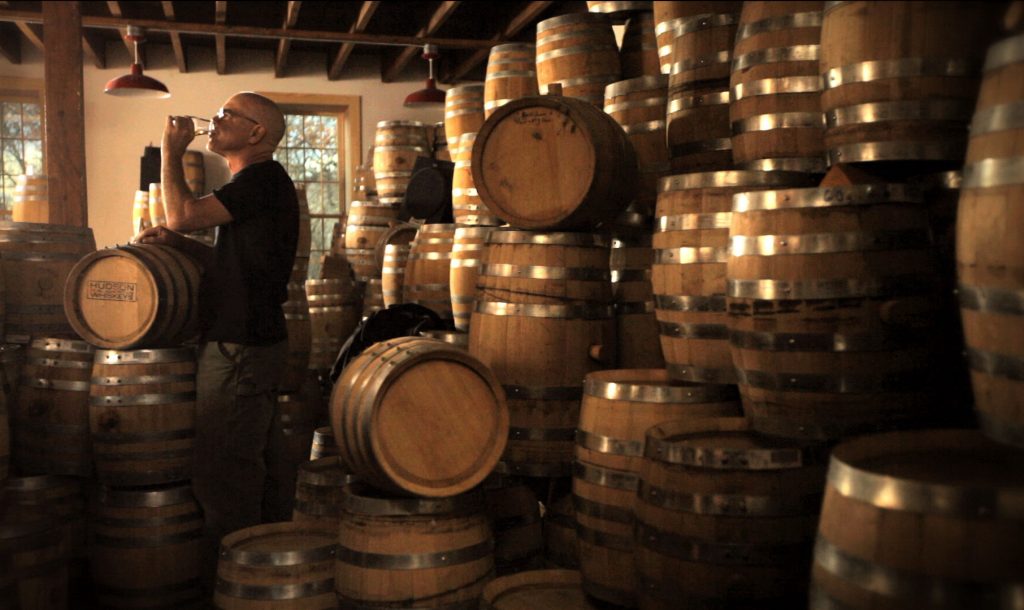
New York distiller Tuthilltown was also famous for its ‘sonic ageing’, where music accompanied maturation
Pennsylvania
The original heartland of American whiskey was not Kentucky, but Western Pennsylvania’s Monongahela Valley. Distillers there were celebrated for their high-quality rye whiskey, predating the rise of bourbon. Tragically, this rich heritage was nearly lost; the industry collapsed following Prohibition, and the last distillery closed in the 1990s. However, a revival began in the 2000s, driven by craft distillers dedicated to restoring this lost tradition. Key players like Wigle Whiskey (Pittsburgh), Dad’s Hat Pennsylvania Rye, and Liberty Pole Spirits are championing authentic Pennsylvania rye. Their focus is on traditional recipes, the reintroduction of heritage grains such as Rosen, and a defining characteristic: a high rye content (sometimes up to 95%) with only malted barley as the secondary grain.
New York Rye, and the birth of Empire Rye
Rye whisky was once the signature spirit of New York, thanks to the region’s suitability for growing rye. First distilled by Scottish settlers on the frontier in the 18th century, it reigned as the foundation of New York distilling for over a century. A visit to Coppersea Distillery in New Paltz, NY, brought this history to light. When asked about the distillery’s name, I learned it references a time before Prohibition when countless small distilleries dotted the landscape, making the view look like a “sea of copper.”
Tuthilltown, established in 2004, was a pioneer among New York’s modern craft distilleries. Initially distilling an apple-based vodka using apples from local orchards, this was soon followed by the Hudson line of whiskeys, which included bourbons made from locally sourced corn and a Manhattan Rye.
In 2015, a collective of six leading New York State distilleries joined forces to establish a distinct whiskey style for the Empire State. The result was the birth of Empire Rye—a tribute to New York State’s pre-Prohibition heritage of rye whiskey production and a testament to the innovation of its modern-day distillers.

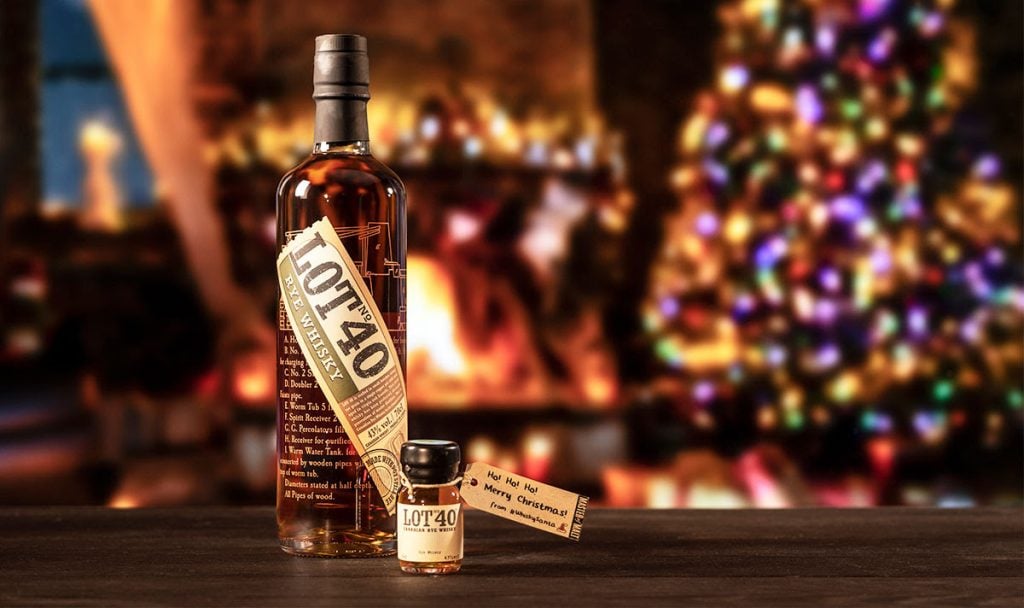
A lot of Canadian rye whisky thrived during Prohibition
Is American Rye Whiskey back?
It’s definitely looking a lot healthier. A 2020 statement from the Distilled Spirits Council of the United States reads, “Rye Whiskey was all but forgotten in the 1980s and 1990s, but since 2009, volumes have increased 1275%, growing to 1.2 million cases in 2019. And over the past year (2019), Rye grew 15%.”
Rye Whisky in Canada
Whisky production in Canada grew in parallel with the whisky-making in the USA. Before Canada officially became a confederation in 1867, whisky production was already thriving on Canadian soil. The origins of Canadian whisky can be traced back to the late 18th century, when Scottish and Irish immigrants brought their distilling expertise to the vast landscapes of what is now Canada.
Even today, Canadian whisky is often referred to as “rye whisky” because historically, much of the content was from rye. American rye whiskey requires a minimum of 51% rye in the mash bill, but there’s no legal requirement for rye percentage in Canadian whisky.
If you want to learn more about the history of Canadian Whisky, I can highly recommend the book ‘Canadian Whisky’ by Davin De Kergommeux.

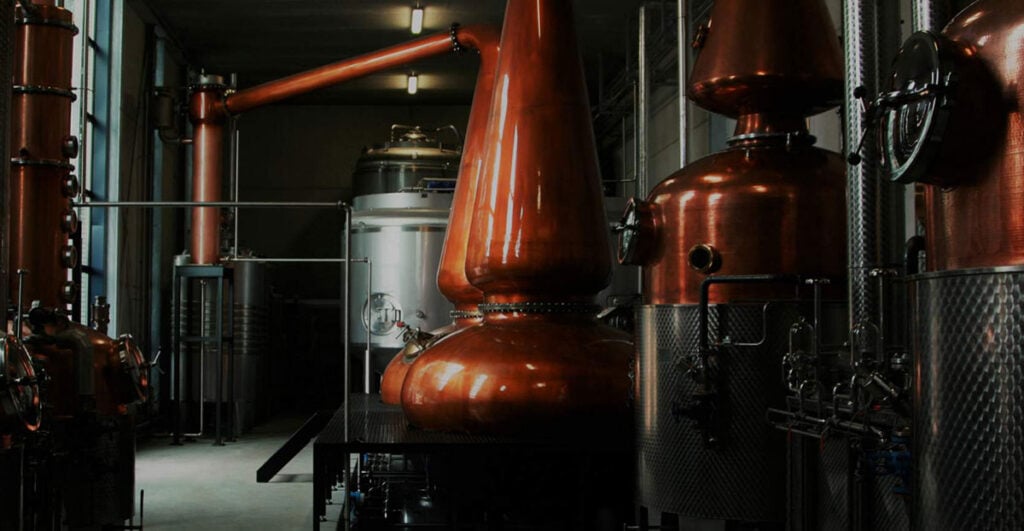
Millstone whisky is made at the fabulous Zuidam Distillery
European Rye Whisky
European rye whisky is a fast-growing category of bold, spicy spirits produced across the continent, with distillers blending traditional methods with local ingredients and techniques to create unique regional styles. Unlike American or Canadian rye, which have stricter regulations, European rye whisky has more flexibility, allowing for a wide range of expressions from simple and solid to complex and innovative.
The history of rye cultivation in Europe dates back centuries, with rye bread and rye-based spirits being staples in many countries, particularly in Eastern Europe and the Nordic region. The production of rye whisky, however, has seen a resurgence in recent decades, driven by a renewed interest in traditional grains and craft distillation. Historically, many European distilleries produced spirits from rye that might not have been classified as “whisky” under modern regulations but shared similar characteristics. Today, dedicated whisky distilleries across Europe are crafting high-quality rye whiskies, often adhering to strict geographical indications and production standards.
The Netherlands
It was the Dutch distillery, Zuidam Distillers BV, ‘Millstone’ is its whisky brand, that first introduced me to rye whisky way back in 2012. Zuidam have always distilled rye as part of their Genever distillation. Rye whisky distillation didn’t start until the early 2000s, and it must be considered a pioneer of the rye whisky revival, certainly in Europe.
Millstone makes a 100% rye whisky from a 50-50 blend of malted and unmalted rye. It grows much of its own rye, too. The brand uses a mixture of an American yeast strain and an English ale yeast, with 8 to 9-day ferments. The wash is double distilled in copper pot stills with a very narrow cut point, and generally uses new charred (#3 or #4 casks with charred heads) air-dried American oak barrels.
Germany
Spreewood are primarily using rye from the surrounding fields in its Spree Forest region, which itself is partially a biosphere and nature reserve. The region has been growing rye for hundreds of years due to the very sandy soils and very harsh winters.
The process starts with two different mash bills: 100% unmalted rye, and. 100% malted rye with a small amount of chocolate roasted rye malt, but now only produces rye from 100% unmalted rye, which has become a signature. Fermentation occurs with a Belgian Belle Saison yeast for a fruity and phenolic new make for around 7 days. No filtering is involved at any point in the production (yip, sticky rye!). Distillation is in a hybrid copper pot still; the first distillation in the pot still, second distillation in a column with 5 plates to approximately. 75% abv. Casks are filled at 60% abv, mainly in new American oak with Char 1 or heavy toast and new German Napoleon oak with medium toast, but there’s also fresh Pinot Noir casks and oloroso & PX sherry casks for ageing. The Smoky Rye is partially aged in Laphroaig casks.
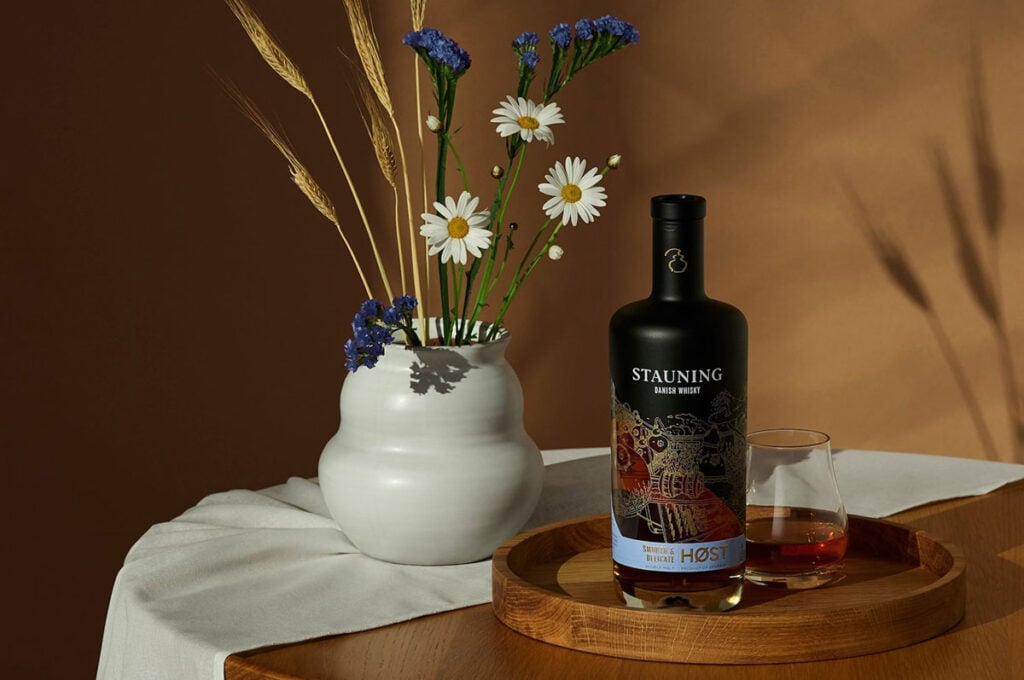
Stauning is a distillery we have a lot of time for
Denmark
Stauning Whisky was established in 2005 by nine friends, with an aim to create a truly Danish whisky. While they do malt a single malt, smoked with local peat, they soon discovered the potential of rye, a staple grain in Denmark, and began distilling it. Their rye whisky, made with 100% floor-malted Danish rye, quickly became central to their identity, simply known as “Rye”. They use traditional methods, including in-house floor malting of local grains and direct-fired copper pot stills, creating a distinctive Danish whisky.
Finland
Whisky imports to Finland were not permitted until 1904. Even after this, however, sales remained very low because people were obtaining their spirits from illegal sources, with moonshine being produced from either grain or potatoes. The First World War (1914–1918) significantly impacted alcohol availability, limiting sales to only high-end hotels and pharmacies. Although Finland had the lowest recorded alcohol consumption per capita in Europe, this figure likely failed to account for the amount of illegally consumed moonshine. Prohibition, introduced in 1919, was the final blow to legal alcohol sales.
Following the repeal of prohibition, the state alcohol monopoly, Alko (as it is known today), was established in 1932 to manage the production and sale of alcohol. Initially, its shops stocked 16 different whiskies. Notably, Alko even produced its own whisky brand, Viski88, which continued production until the year 2000.
While the state monopoly long controlled the industry, the first modern commercial malt whisky distiller began distilling in the early 2000s. The “craft” movement, as it is widely understood today, truly began to flourish in the mid-2010s:
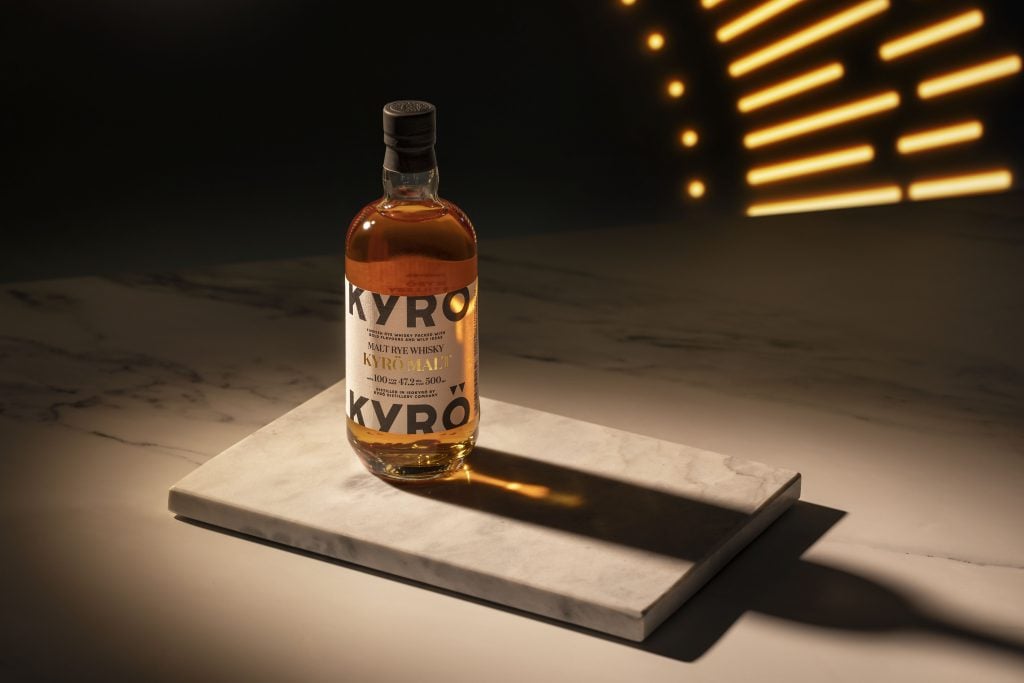
Kyrö makes awesome rye whisky
Finland’s whisky distilleries
Opened in 2014, The Helsinki Distilling Company was the first distillery in the city in over a century, signalling a revival in Finnish craft spirits. Rye Whisky is th signature product, made using local Finnish grains. THDC produce two distinct rye whiskies: one with a 100% malted rye mashbill, and another with a mixed mashbill of malted rye and barley. While rye is the focus, the distillery crafts a variety of other spirits.
Founded in 2012 by five friends inspired by drinking rye whisky in a sauna and questioning Finland’s lack of a domestic rye, Kyrö Distillery Company began distilling in 2014. While initially gaining international acclaim for its gin, the ultimate goal was always rye whisky. Kyrö released its first standard rye malt whisky expression in 2020.
Crafted from 100% Finnish wholegrain malted rye, this flagship expression undergoes a lengthy 144-hour fermentation and is double pot distilled. It is then matured for a minimum of three years in new charred American white oak casks. This core Rye Malt is complemented by a range of unique variants, including an Oloroso Cask finish, the distinctive Wood Smoke Rye Malt, and the Finnish Freshwater Peat Smoke Rye Malt.

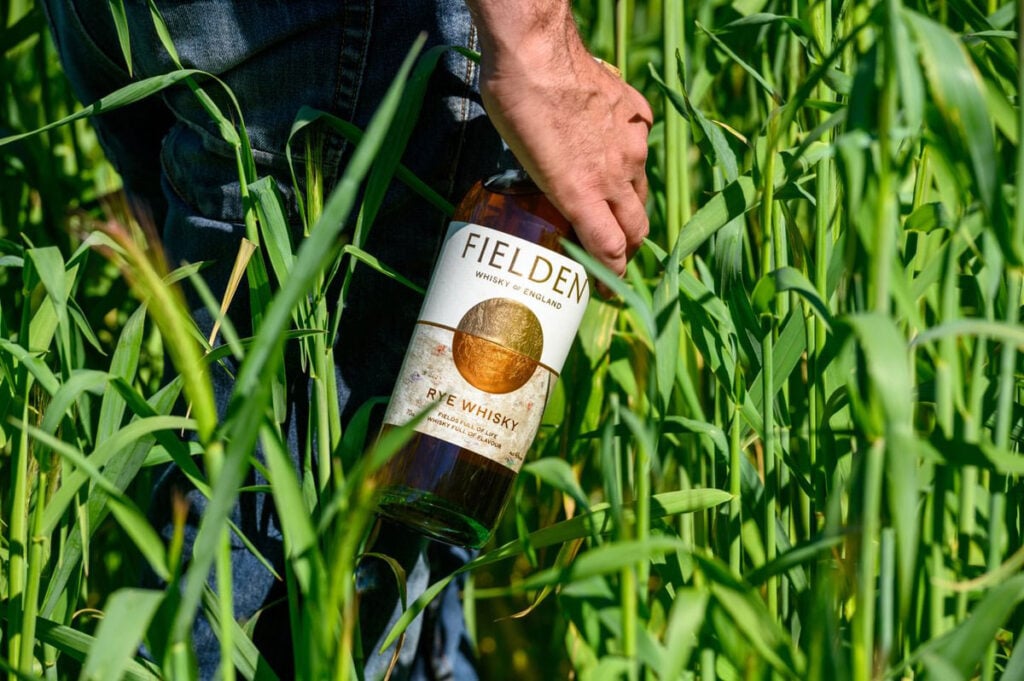
Fielden by name…
England
I first encountered Adnams Rye Malt Whisky when I visited their Copper House Distillery in Southwold back in 2014. Having started distilling in 2010, it must have laid down rye spirit a couple of years later, as I was lucky enough to sample some of those early casks. At the time, it hadn’t legally matured into ‘whisky’ under the 1915 Immature Spirits (Restriction) Act, but it was incredibly promising! Today, the whisky is made from a mash bill of 75% rye and 25% barley and is aged for a minimum of five years in new French oak barrels.
Bristol’s Circumstance Distillery, established in 2018, is known for its experimental and sustainable approach to grain spirits, including rye whisky. Locally sourced grains and low-temperature, long-fermentation methods to capture maximum flavour. Its rye whisky often features high proportions of rye in the mash bill, reflecting a modern European approach that prioritises flavour complexity and sustainable production practices.
The Oxford Artisan Distillery (TOAD) championed a ‘grain-to-glass’ philosophy with a strong focus on sustainability and ancient grain revival. The rye whisky is distinct because it is crafted exclusively from heritage grains—specifically populations of rye and wheat—grown exclusively on local farms using regenerative agriculture methods, entirely without pesticides. In 2024, The Oxford Artisan Distillery rebranded to Fielden Whisky and moved production to a new site in Yorkshire.
The English Whisky Co. has also ventured into the rye category, and small batches have been bottled under their ‘The Norfolk’ label. What I have tasted has been very good, but there doesn’t seem to be an ongoing plan to produce a core rye whisky.
A few new English Distilleries have also been experimenting with rye whisky, too, and I’m looking forward to seeing an English category one day.
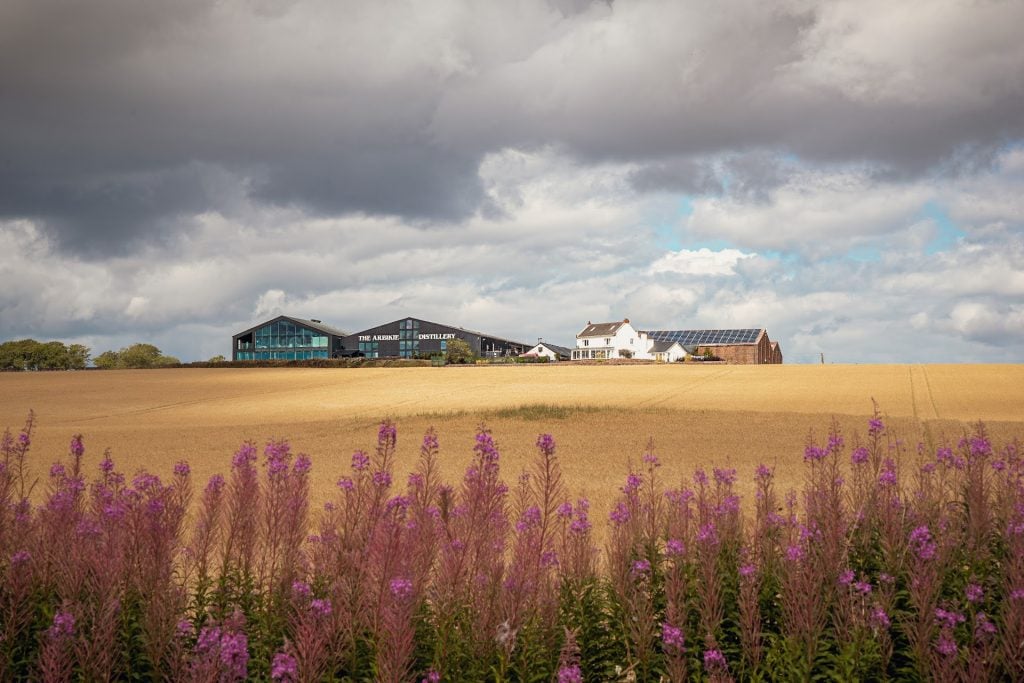
Arbikie Distillery, a pioneer of Scottish rye whisky
Scotland
Just a handful of distilleries have been experimenting with rye so far. While the 1908/09 Royal Commission Report on Whisky and Other Potable Spirits stated that rye was historically used to make Scotch whisky, I can only find one reference to rye in Alfred Barnard’s epic The Whisky Distilleries of the United Kingdom, published in 1887. The book, first published by Harper’s Weekly Gazette, lists 162 distilleries across Britain and Ireland that Barnard visited between 1885 and 1887 and documenting the details in a landmark publication. At the time of his visit, the granaries contained ‘10,000 quarters of American corn (maize), and in Number Two, 14,000 quarters of barley and rye’
The Arbikie Distillery was founded in 2013 by the Stirling brothers (John, Iain, and David) on their family farm in Angus, Scotland, with production starting in 2014, making them a pioneering single-estate, field-to-bottle operation for spirits. They introduced their first Scottish rye whisky in December 2018, made from grains grown on their farm and aged in American oak and Pedro Ximénez casks. This initial release, part of a collector’s series, was followed by other editions like the signature 1794 Highland Rye in late 2020.
Following closely behind in 2015, the Inchdairnie Distillery in Fife commenced Single Malt Scotch whisky production. I remember visiting the distillery in May 2016, just after its Lomond Hill Still had been installed but not yet commissioned. At that time, I was informed of the plan to produce Rye whisky. RyeLaw, which incorporates a high proportion of both malted rye and malted barley, was first distilled in December 2017.
The mashbill used for RyeLaw is 53% malted rye and 47% malted barley. As the rye content is greater than 51%, the whisky is distilled at less than 80% alc., and reduced to 62.5% alc. ready for maturation before filling into new charred oak barrels. RyeLaw would qualify as a single-distillery rye whiskey if it were made in America. For now, it only uses new charred American oak for maturation, but I’ve heard that some experimentation to see additional layers of complexity from secondary maturation in different casks is underway.
Other distillers have also been experimenting with rye: Diageo’s Johnnie Walker introduced a High Rye Blended Scotch Whisky, a blend of 60% rye with single malts for the US Market in 2021, and Bruichladdich started experimenting with rye back in 2017, and recently released an Islay Rye Whiskey for the US market only.

Canada has betrayed us. So we will keep Sam Simmons hostage. Or send him back, whichever hurts them more.
The European Rye problem
Europe is now producing what I believe is some of the world’s finest rye whisky. Yet, a formal classification for Rye Whisky does not exist within European regulations. For example, Scotch whisky has only five designated categories: Single Malt, Single Grain, Blended Malt, Blended Grain, and Blended Scotch. Consequently, all Scottish rye whisky must currently be labelled as ‘Single Grain Scotch Whisky.’
The situation is further complicated by the fact that neither Irish nor general European whisky labelling rules include a rye whisky category. Adding to this, an astonishing 20-year-old agreement with Canada, reported earlier this year, actually prohibits European producers from labelling their rye whiskies as such. Bonkers, eh?
I’m hoping that a Rye Whisky category will be introduced across Europe in the very near future, and perhaps even the Scotch Whisky Association will allow a Rye Whisky Category in Scotland.
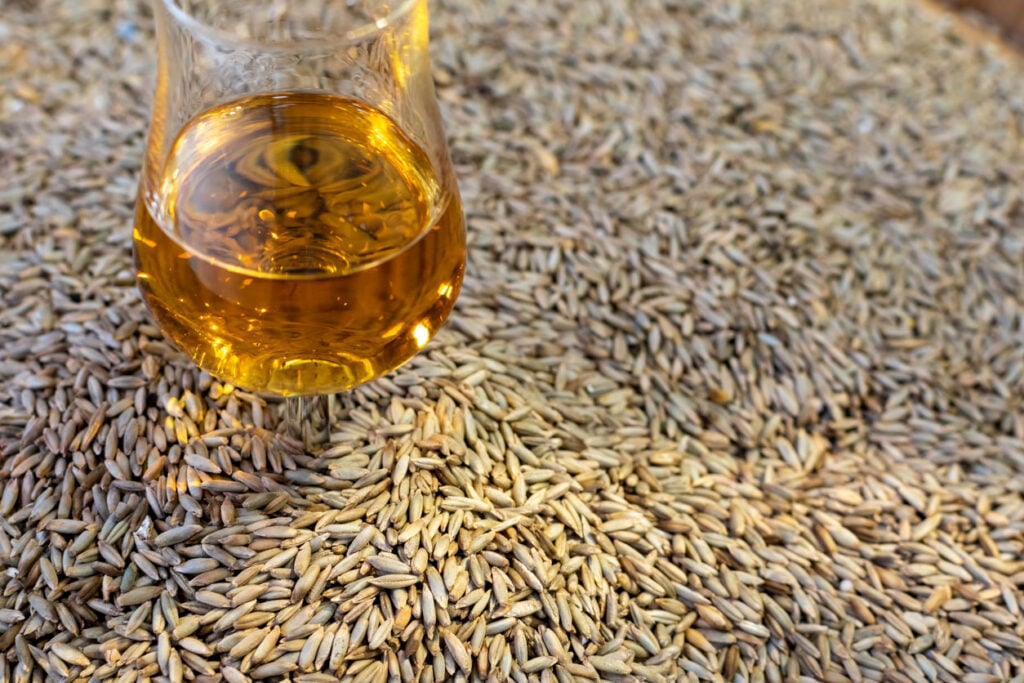
Rye whisky on rye grains
So what is rye?
Rye (Secale cereale) is a member of the grass family, sharing a lineage with corn and barley, yet it possesses distinct characteristics. Notably, rye is exceptionally winter-hardy, allowing it to flourish in colder, harsher climates. Crucially, its unique chemical composition dictates its specific processing needs and, more significantly, influences its ultimate flavour profile.
Rye grain is rich in structural cell wall compounds like beta-glucans and arabinoxylans. While these compounds increase the mash’s viscosity, causing mixing and pumping challenges, the degradation of arabinoxylans plays a crucial role in developing that final warm, spice-filled bouquet of aromas.
A deeper look at the kernel’s structure reveals that arabinoxylans are frequently cross-linked with lignin. This combination of lignin and arabinoxylans is crucial for giving the kernel its essential rigidity and structure.
These cross-linkages are formed by compounds such as Hydroxy-cinnamic acids (HCAs). As their name suggests, HCAs are precursors to the classic baking spice notes—cinnamon, clove, and anise—which define the very character of rye. While these desirable compounds are initially locked within the kernel’s cell wall, they can be successfully released through the milling and mashing processes.

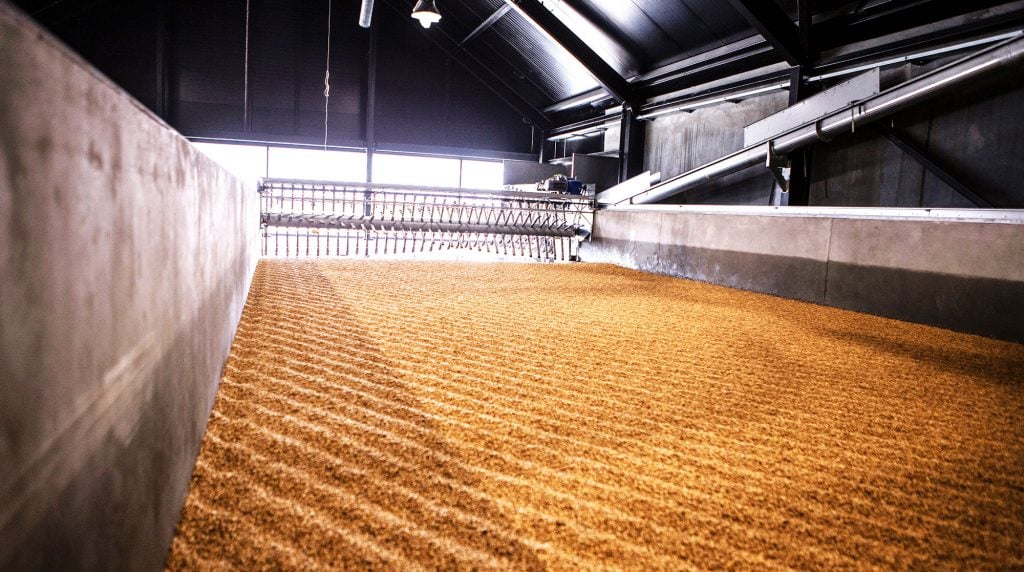
The floor malting at the Stauning Distillery in Denmark
To Malt or Not to Malt?
The choice between malted and unmalted rye significantly impacts the distillation process and the final spirit’s characteristics. These differences stem primarily from the enzymatic activity present in malted grains, which is largely absent in unmalted grains.
The majority of American rye whiskeys use unmalted grain. There are always exceptions, but in general, unmalted rye is used. Some distilleries use a small amount of rye malt in the mash bill, others will use barley malt, and in America, the use of exogenous enzymes is permitted.
Malted Rye
Malted rye undergoes a controlled germination process, where the grain is steeped in water, allowed to sprout, and then dried. This malting process activates enzymes crucial for converting starches into fermentable sugars.
– Malted rye contains a high concentration of enzymes (primarily amylase) that break down complex starches into simpler sugars. This is vital for efficient fermentation. The presence of these enzymes allows for a more complete conversion of starches, leading to higher sugar yields and potentially higher alcohol yields during fermentation.
– Malting can introduce distinct bready, biscuity, and sometimes slightly sweet or nutty notes to the spirit. The flavour contribution is generally softer and more complex than unmalted rye.
– Malted rye is said to be easier to work with in the mash tun due to the enzymatic breakdown, resulting in a less viscous mash.
Unmalted Rye
Unmalted rye is simply the raw grain without any germination or malting process. It retains its natural state, with the starch primarily intact.
– Unmalted rye has very low to no enzymatic activity, meaning it cannot convert its own starches into fermentable sugars without external help. To ferment the unmalted rye, distillers must add external enzymes (either from other malted grains, like malted barley, or commercially produced enzymes) to convert the starches. Without this, fermentation would be inefficient or impossible.
– Unmalted rye is renowned for its spicy, peppery, and often robust flavour profile. It imparts a more assertive and drier character to the spirit compared to malted rye. It’s a cornerstone of American rye whiskey, where its distinct spicy character is highly regarded and it contributes significantly to the characteristic “rye bite.”
– Unmalted rye mashes can be more challenging to manage due to their high viscosity, often requiring more water and careful temperature control to prevent gumming.
Key differences at a glance:
| Feature | Malted Rye | Unmalted Rye |
|---|---|---|
| Enzymatic Activity | High (starch conversion) | Very low to none |
| Starch Conversion | Self-converting due to enzymes | Requires external enzymes for conversion |
| Flavour Profile | Bready, biscuity, slightly sweet/nutty, softer | Spicy, peppery, robust, assertive, drier |
| Mash Viscosity | Lower, easier to work with | Higher, more challenging mash |
| Fermentation Efficiency | Generally high due to inherent enzymes | Depends on external enzyme addition |
So, why Rye?
Single Malt, Bourbon, and Rye whiskies represent three distinct and celebrated categories in the vast world of whisky, each offering a unique profile of flavours and aromas. However, rye whisky is frequently considered to possess a level of complexity that surpasses both bourbon and single malt whisky.

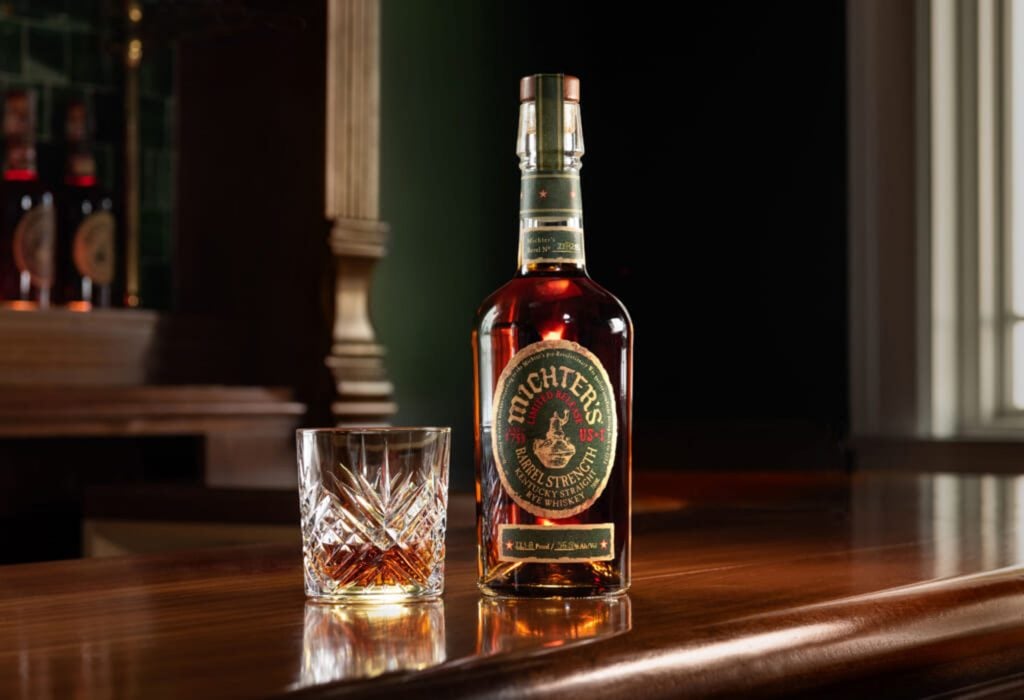
For goodness sake, try the rye
Rye Whisky vs Bourbon (American Whiskeys)
The fundamental difference between rye whisky and bourbon lies in their mash bill—the mixture of grains used in fermentation. Bourbon, by law, must contain at least 51% corn, while rye whisky must contain at least 51% rye. This seemingly simple difference profoundly impacts the final product.
Bourbon’s corn-heavy mash bill contributes to its generally sweeter, smoother, and more mellow character. Common tasting notes often include:
Sweetness: Vanilla, caramel, honey, brown sugar.
Fruit: Cherry, apple, orange peel.
Spice (Subtle): Cinnamon, nutmeg, allspice.
Oak: Toasted oak, char, slight smokiness.
The dominance of corn provides a rich, full-bodied mouthfeel that is often described as creamy or oily. The ageing process in new, charred oak barrels further enhances these sweet and oak-derived flavours, as the charring caramelises the sugars in the wood and creates compounds like vanillin.
In contrast, American rye whisky’s high rye content lends it a spicier, bolder, and often drier profile. The aggressive nature of rye grain manifests in prominent peppery and herbal notes. Typical tasting notes for rye whisky include:
Spice (Prominent): Black pepper, white pepper, caraway, cloves.
Herbal: Mint, dill, anise.
Fruit (Often Darker): Dried fruit, plum, apricot.
Earthy: Tobacco, leather.
Dryness: A distinctive drying sensation on the palate.
Rye’s inherent spiciness can be quite assertive, offering a sharper and sometimes more complex drinking experience. The finish is often long and peppery, distinguishing it significantly from the generally softer finish of bourbon.

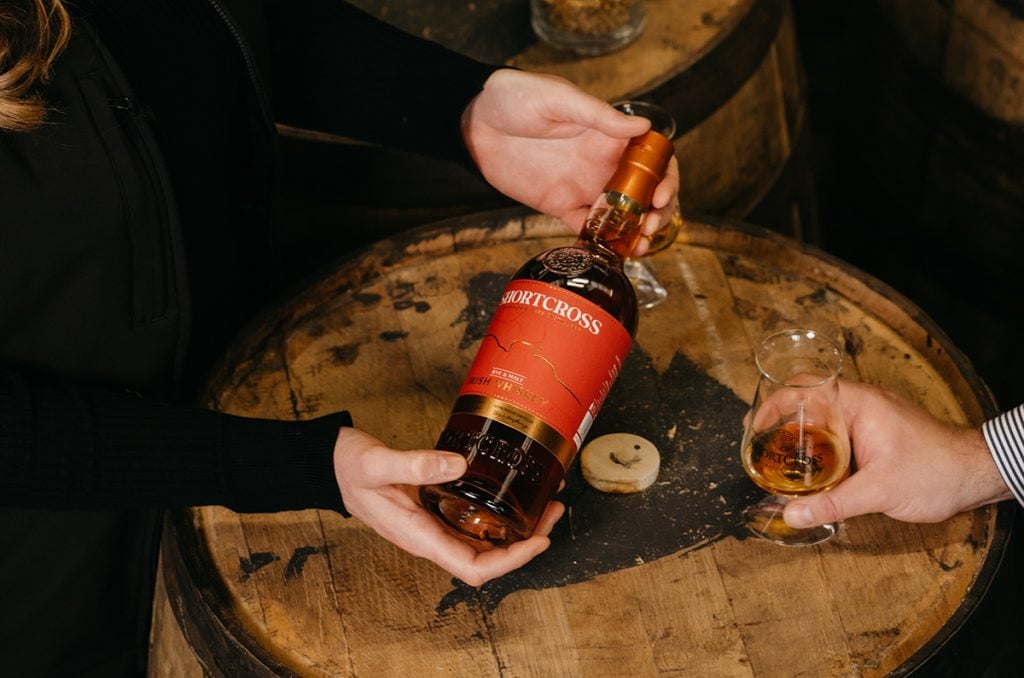
Rye whisky is made in many different places. This example is Irish
Rye Whisky vs Single Malt Whisky
The primary difference between rye and single malt whiskies lies in their foundational grain. Single malt whisky, by definition, is made exclusively from malted barley. While malted barley provides a rich, sweet, and often fruity base, the singular grain type can lead to a more predictable flavour profile. The malting process itself also contributes to certain enzymatic reactions that define the spirit’s character.
Rye whisky, on the other hand, must be made from a mash bill containing at least 51% rye grain. The remaining percentage can include other grains such as corn, barley, or wheat. This multi-grain approach introduces a wider spectrum of flavours from the outset: Rye is known for its spicy, peppery, and often herbaceous notes. It contributes a distinctive dryness and a robust, earthy character that is not typically found in barley-based whiskies. The inclusion of corn can add sweetness and a smoother mouthfeel, while barley can provide a subtle malty backdrop, and wheat can offer softer, bread-like notes. The interplay between these grains creates a more intricate and layered base spirit.
The fermentation process can also play a role. The higher protein content in rye can sometimes lead to different fermentation byproducts, further contributing to the complexity of the spirit.
The complexity of rye whisky versus bourbon or single malt is a fascinating study in how grain composition and traditional production methods shape the sensory experience of a spirit. I’ve also noted that rye whisky doesn’t need to be aged for long periods to be complex; the very spirit is complex from the start!

What is the best whiskey for an Old Fashioned? For our Dave, it has to be rye.
Rye Whisky and Cocktails
Rye was a classic cocktail favourite, but whisky cocktails fell by the wayside in the vodka boom of the ’80s and ’90s. As we learnt earlier, Rye’s demise really started with Prohibition, and never really picked itself back up to the heyday levels, but it’s been making a steady resurgence in recent years.
Rye whisky, in my opinion, is the only choice for an authentic Old Fashioned. Beyond that classic, Rye’s robust, spicy, baking-spice character is critical to the success of many other classic whisky cocktails, including the Sazerac, the Boulevardier, and my personal favourite, the Manhattan. The depth and unique flavour profile of rye truly elevate the entire drink.
Concluding
What initially captivated me was the complexity of rye whisky. The category offers a fascinating area for exploration, thanks to the choices distillers make. That could mean using malted or unmalted rye, or a combination, and the near-infinite variations stemming from the required 51% rye content in the mash bill. What followed was my delve into the history of the grain for distilling.
In closing, my love affair with rye whisky is rooted in its bold complexity and the rich history that parallels the growth of both the American and European distilling traditions. From the Monongahela Valley pioneers and the quiet dedication of the ‘Godfather of Rye’ during those dark years, to the innovative new expressions emerging across Europe, the story of this spicy, peppery grain is a story of resilience and revival.
Whether enjoyed neat to appreciate its distinct character or as the backbone of a perfectly balanced classic cocktail, rye whisky stands as a powerful testament to the influence of grain on spirit, earning its rightful place as one of the world’s truly compelling and complex whiskies.