Trade
TradeThe art of ageing whisky: How barrel-ageing affects flavour
Barrel-ageing is a process of maturing whisky. That means adding complexity, smoothing rough edges, and developing its character. It elevates the drink from a raw spirit to the nuanced product we all love. Let's explore what's actually happening in the process in this beginner's guide to ageing whisky.
Jump to section
Author:

Reading time: 5 minutes
The art of ageing whisky is crucial in developing its flavour. There’s debate around how much of a role barrel-ageing plays, some claiming it’s responsible for as much as 60-70% of the spirit’s character.
While each stage of the process is key to driving flavour, from the grain variety to the fermentation length, there’s no denying that barrel-ageing is a crucial element of the production process. Storing spirits between distillation and packaging is standard, but maturation isn’t simply storage. It’s an active process that changes the character and appearance of the drink.
But how exactly does barrel-ageing affect flavour? In this guide, we’ll see what happens when whisky matures in wooden casks (typically oak).
Wood Interaction
Barrels are made of wood. Stop me if we’re going too fast here. In wood, you’ll find several compounds that will be extracted into the spirit as the whisky ages in the cask.
Think of it a bit like a tea bag, how the character of the tea bag is infused into the hot water. The spirit is constantly interacting with the wood by virtue of being contained within it.
Most whisky is aged in oak, which contains large molecules like lignin. Contact with ethanol and oxygen helps to develop aromatic compounds, as does charring and/or toasting the barrel, which breaks down the lignin. These aromatic compounds are called aldehydes and they include vanillin and guaiacol which contribute flavour and aromas like vanilla or smoky notes. Other examples include hemicellulose (caramelised sugars) and tannins (spiciness and astringency).
The type of oak used to make whisky barrels can also impact the flavour profile. European oak species like French oak bring astringency and spice and have a smaller amount of vanillin than American white oak. This gives the impression of a more savoury, potentially complex whisky, while American white oak creates a smooth, sweet spirit with flavours such as vanilla and coconut.

If it isn't aged, it isn't whisky.
Oxidation
As the whisky interacts with air over time, it undergoes oxidation. While you don’t want that to happen to your whisky when it’s bottled, during maturation this is very much encouraged.
Oxidation softens some harsher elements and encourages the development of more complex flavours like dried fruits, nuts, and honey.
Evaporation (Angel's Share)
The Angel's Share refers to the small portion of the whisky that evaporates over time. The idea is that the spirit converting to vapour rises to the heavens where the angels get to enjoy.
This is not only a charming thought, but an important part of barrel-ageing. Evaporation concentrates the remaining liquid, enhancing its depth and richness.

A lot is happening inside that cask.
Previous Contents of the Barrel
Barrels that previously held bourbon, sherry, wine, rum, Cognac, Tequila, Port, fish… (thank the infamous Fishky for that inclusion) can impart unique flavours, depending on what was in the cask before.
Let’s focus on the two most common examples. A bourbon cask typically brings notes of vanilla, caramel, coconut, and oak char, while you expect a sherry cask to impart Christmas cake flavours like dried fried, nuts, and winter spice.
Length of Ageing
The length of time spent in the barrel affects the intensity of these influences. Longer ageing generally = more complexity through a deepening of the flavours.
You have to observe the maturation process and sample the whisky over time, however, as you can risk overpowering the whisky if not carefully timed. Too much age is a thing in whisky.
Interesting cask-aged whisky to try
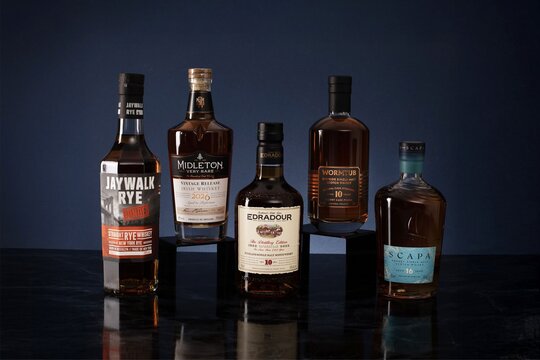
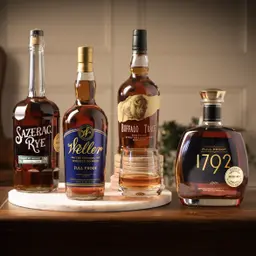
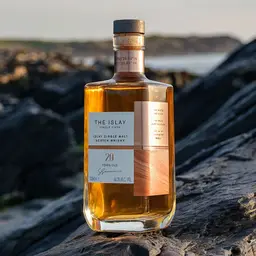
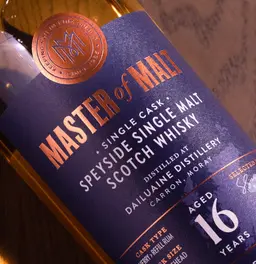
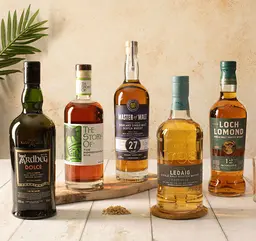
See the effect barrel-ageing has on whisky through these various examples of wood variety, previous contents, and age.
More whisky guides
Find out how whisky is made, about the different types of whisky available, and more...
Discover more whisky guides
Find out how whisky is made, about the different types of whisky available, and more...