The Scotch Whisky Tariff Cut in China in Context


Keir Starmer and China have reached an agreement that tariffs on Scotch whisky imports into China will be reduced from 10% to 5%.
Effective in early February, the deal will bring an estimated £250 million to the UK economy over the next five years. China is currently the tenth largest market by value for Scotch whisky exports.
The potential for a Scotch whisky tariff cut in China has been on the cards, marking another win for the government following progress on the UK-India trade deal. Halving tariffs in a secondary export market lowers the landed cost of Scottish products in China and potentially improves price competitiveness against other imported spirits and domestic categories.
With China’s consumer market still shifting towards premium foreign spirits, it’s a move that brings some hope. However, the uplift must be read in conjunction with broader whisky industry trends rather than in isolation.
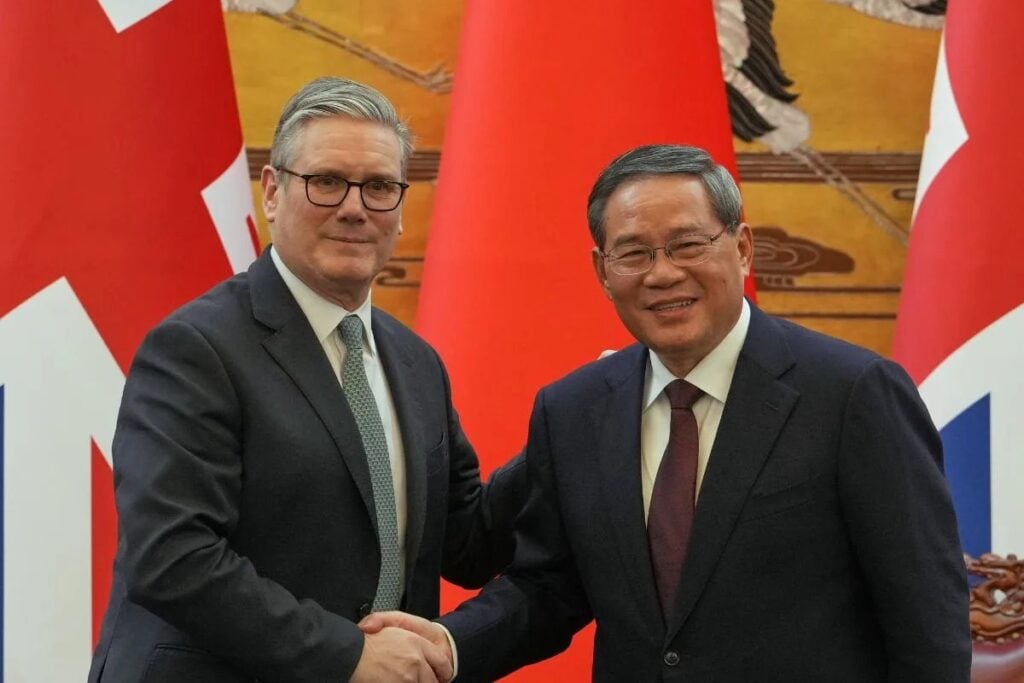
Prime Minister Keir Starmer and Chinese Premier Li Qian
Market backdrop in 2025-26
The Scotch whisky market entered 2025 under strain. Key global export markets, particularly the United States, show declining sales, and punitive tariffs there have persisted despite UK-US trade engagements. The Scottish industry reportedly faced three consecutive years of export declines, with global volumes down materially in early 2025 and some major producers scaling back production or expanding storage to manage oversupply.
Data from industry reports suggests that overall Scotch exports fell by roughly 3-4% in value in 2025. That compares with earlier peaks, and some analysts point to volume declines in key markets and an oversupplied distillery network as evidence of more than just cyclical softness.
Against that backdrop, a tariff reduction in China will help. But it does not alter the bigger structural challenges: slower global demand growth, shifting consumer preferences away from alcohol in the world’s largest markets, and ongoing tariff barriers elsewhere. The persistent 10% tariff on Scotch into the US remains significant because North America accounts for a large share of export value and volume, and its removal has not been secured.

SWA chief executive Mark Kent welcomes the Scotch Whisky tariff cut in China
India and the wider UK spirits economy
The China tariff cut follows the UK-India trade deal, and the latter raised several questions that are pertinent when considering the impact of this news, too. We those discuss in our article on the subject.
To recap, the UK-India trade deal radically reduced India’s historically high tariffs on imported Scotch — from 150% down to a phased 40-75% band — and is projected to increase exports by up to £1 billion annually in the medium term. India is already the world’s largest whisky market by volume and has substantial growth potential, especially for premium segments.
The stark difference between the two deals underlines the relative scale of opportunity. A tariff cut in India affects a market where Scotch has previously been heavily protected, whereas China’s adjustment restores a more modest competitive position in a market that was already open but relatively niche in terms of export value. China’s tariff move importantly reflects broader trade engagement with the UK, but it is not alone going to pivot global demand.
There is also a wider issue that the industry should not ignore. UK trade policy continues to frame whisky almost exclusively through the lens of Scotch. That is understandable given its export value and global recognition. But it is increasingly incomplete.
English, Welsh and Northern Irish distillers now represent a serious and growing part of the UK spirits economy. They employ people, invest locally, export globally, and in many cases face the same tariff and market access barriers as their Scottish counterparts, without the benefit of being explicitly named in trade wins or headline projections. When deals are announced as victories for Scotch alone, it sends a quiet signal about who trade policy is really for.

We all want this incredible drink to get the support it deserves
The big picture
Industry bodies such as the Scotch Whisky Association have welcomed the China decision. Any tariff cut means the reduction of frictions and a degree of insulation during a difficult time. But it does not solve the challenges facing whisky, nor does it define a comprehensive approach to supporting UK distilling.
If this government wants trade policy to be more than headline numbers, the next phase must truly examine the long-term cost of increased duty on one of the country’s most important exports, culturally and economically. And it must look beyond Scotch alone and ask how all UK producers are being helped to compete, grow, and endure.



