Sake
Best selling Sakes
A sake connoisseur or new to the sensational Japanese drink? These options are perfect for both!
What is Sake?
Brewed like beer, but enjoyed like wine, sake is a traditional Japanese drink made from fermented rice.
It’s so ancient that sake features in Japanese mythology. One lovely legend says the first sake was made when a sparrow dropped a grain of rice into a bamboo stalk, where it was moistened with rain water and fermented. This isn’t true, sadly. At least that’s what a hawk told us. Wait a minute…
Japanese sake can be drunk in a number of ways (we’ll get to that), it has a fascinating production process (that too), it’s growing all over the world, and it tastes fantastic. As you can find out by picking up some sake from Master of Malt!
How do you drink Sake?
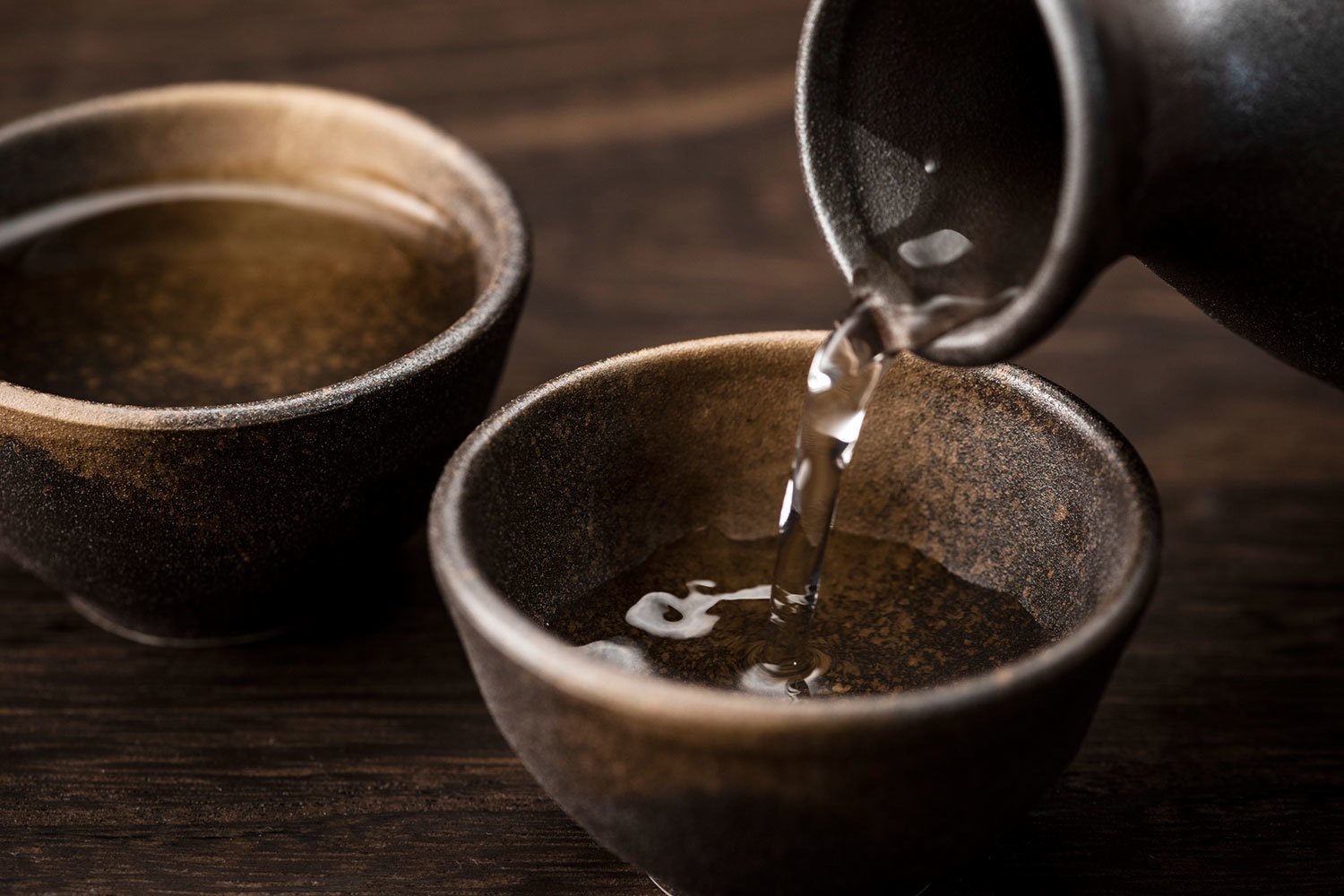
Sake is usually drunk neat and is often served in small cups or glasses, and it is considered polite to pour sake for others. It can be served cold, or at room temperature.
It’s even heated and drunk warm, but while the notion of warm sake is popularised outside of Japan, serving sake chilled is favoured when it comes to higher grade bottles to preserve the delicate flavour profile. There’s even sparkling sake, for fans of Champagne/Prosecco to get excited about, which is often served with seafood.
Sake is usually enjoyed with food, as anyone who has been to a sushi restaurant can attest too. There is even a Japanese saying which roughly translates to ‘the sake doesn’t fight with the food’, referring to how easily it pairs with so many dishes. It also has a more direct culinary application and can be used in recipes too.
How strong is Sake?
This really depends on the individual bottle of sake, but typically it’s bottled somewhere between 8-18% ABV. This is actually a good opportunity to talk about sake categorisation because that can impact the alcohol strength of the drink.
A Junmai sake, for example, means that no neutral alcohol is added. If there is not the word Junmai on the label, then the sake has been fortified, adding to its alcoholic strength. Sake has various designations, mostly defined by the levels of polishing the rice undergoes, like tokutei meisho-shu (‘special designation sake’) or futsu-shu (‘ordinary sake’, with no Junmai in the category).
But it’s important to remember that the level of polish is not a guarantee of quality. You might prefer the taste of a lower polished grades of sake and that’s absolutely fine.
How is Sake made?
To make sake you need rice. Not just any rice, but sakamai ('sake rice'), or officially shuzō kōtekimai ('sake-brewing suitable rice'), of which there are at least 123 types of sake rice in Japan. Don’t try and make it at home with your standard long-grain or basmati.
The rice needs to be polished because the outside of rice grains contain fats and protein that create unpleasant flavours when brewed into sake. The abrasive method mills the rice down to leave only the starchy part of the grain, the ‘shinpaku’. Once polished, the rice is cleaned, soaked and steamed so the starch can be brewed.
Yes, brewing is how sake is made, despite it erroneously being referred to as a rice wine in many English speaking countries, compositonally sake has much more in common with beer. To ferment sake you need koji, a helpful fungus which is deliberately grown on rice and acts in a similar way to malting, converting the starch in the rice to fermentable sugars.
Sake fermentation means combining koji, water, yeast and cooked, polished rice to form a starter mash. This is then added to in stages with more water, koji and steamed rice. But this doesn’t happen in a sequence, like say fermentation of barley for whisky. Instead, sake undergoes parallel fermentation where the multiple stages involved in the fermentation process, like the conversion of starches in rice into sugars by kojiand the fermentation of these sugars by yeast occur concurrently.
This fermenting rice mixture is called the moromi and once fermentation is complete, the liquid is pressed and is often filtered and pasteurised.