How to taste whisky
Sometimes whisky can be intimidating, but we're here to guide you through our whisky tasting technique and provide some useful pointers to help you confidently get the most out of your whiskies in no time!
In this article you'll learn answers to these questions:
- What is a whisky tasting?
- What is the proper way to taste whisky?
- How do you get into tasting whisky?
Jump to section
Authors:


Reading time: 7 minutes
Are you interested in learning how to taste whisky so you can enjoy and appreciate this delicious spirit at your leisure?
Alternatively, have you been presented with the opportunity to taste a whisky, but it has dawned on you that you have forgotten how to do it? Have you excused yourself to the restroom, googled "how to do a whisky tasting" on your phone, and ended up on this webpage? Are you hoping we'll hurry up past this preamble and get to the whisky tasting instructions before somebody starts asking why you've been in the loo for so long?
The former situation is probably the more likely one, but either way, we've put together some handy advice to help guide you with figuring out how to taste Scotch whisky, American whiskey, Japanese whisky… Any kind of whisky, really!
What you'll need
Your whisky tasting essentials.

Whisky

Glass

Water

Notebook
Appearance
To start, pour a measure of whisky into your tasting glass (a quick note on tasting glasses: they're designed in a way to capture the aromas from your whisky and direct them towards your nose – useful!).
Have a good gander at the whisky and think about what the colour of it reminds you of. Is it golden like straw? Maybe burnished copper like an old coin? Perhaps you've got an amber-hued dram on your hands? Get poetic if you're feeling it. Note down the appearance – it's not everything, and it doesn't have to be much longer than a couple words, but it's worth doing.

Tulip-shaped whisky tasting glasses such as this Glencairn are designed to capture and focus aromas. If you don't have any, you'll find that a wine glass is better than a tumbler for this kind of tasting.
Nose
Think it's time to taste the whisky now? Nope! You're going to smell it first. In fact, this is perhaps the most important part of assessing a whisky, as your olfactory system (your sense of smell) will reveal much more than your taste buds. Some experts will even say the palate simply confirms what the nose has already told you.
Before you give it a sniff, do check the ABV of the whisky. Your nose is a highly delicate tool, and those cask strength whiskies may singe your sinuses (figuratively at least), so don't jam your nose deep into the glass. Go easy on it.
As you sniff your whisky, search your mind for nostalgia. Smells are often linked to memories, which can help you pinpoint the notes that you're picking up. Old furniture at a grandparent's house could be hints of oak or leather. Festive feelings might come from touches of Christmas cake, dried fruits, or Port. Barbeques on the beach might spring to mind from whiffs of smoke, meat, or seaweed.
Palate
Right, now it's time to actually taste the whisky! You may well pick up similar notes that you found on the nose (these flavours are still technically detected by your sense of smell thanks to something called 'retronasal olfaction'), but you might also find some new ones developing from the whisky's sweetness, spiciness, or its savoury elements.
Pay attention to how the whisky feels in your mouth. Is it soft and creamy? Is it direct and spiky? Is it drying? Or refreshing? The mouthfeel can also play a part in the overall experience. If it's juicy and sweet, that could bring to mind fresh fruit character. If there's a lot of creaminess to it, there might be notes of vanilla and… Well, cream. You get the idea.
The flavours can also change over time on your palate. Hold the whisky on your tongue for a short while and you might sense its flavour profile develop. It might become softer, or a new note may pop up. Think about how the whisky's flavour journey is structured from its beginning to the end.
After swallowing the whisky, what are you left with? This, unsurprisingly, is the finish. Does the flavour stick around for ages (a long finish), or is it gone in a flash (a short finish)? Are there new flavours to be found now things have quieted down a bit?
Top tasting tips
You'll be tasting like a pro in no time!
1. Add a drop of water
Once you've gone through tasting the whisky, add a few drops of water and try it again. This will lower its ABV, and may help to uncover some of the deeper notes that might have been hidden underneath the stronger elements.
2. Write down your notes
Notebooks are a bit like external brains. Writing down your tasting notes is very useful indeed, as you can refer back to them when trying new whiskies to spot and remember certain flavours from past drams.
3. Taste with friends
Share your whisky! With smells and flavours being so closely linked to memories, other people might pick up on different elements, so enjoying your whisky tasting with friends can help you discover new notes.
Taste your own way
These instructions aren't a definitive "this is the only way you should be tasting whisky, if you do it any other way you're not doing it properly" sort of thing, because that sucks. There are loads of ways to drink whisky, and different ways to conduct this kind of 'tasting' too. You can follow everything on this page down to the letter, you can take a few pointers and add them to your own whisky tasting routine, you can ignore this guide completely and do something else. Just enjoy your time tasting your whisky. That's what it's there for.
Test your tastebuds
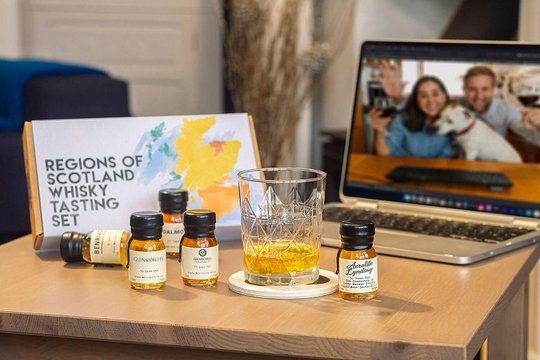
Try these top whiskies and taste the variety the spirit boasts.
Discover more whisky guides
Find out how whisky is made, about the different types of whisky available, and more...
More whisky guides
Find out how whisky is made, about the different types of whisky available, and more...