Trade
TradeBruichladdich Whisky
349 Products
Bruichladdich was built by Barnett Harvey in 1881. Five years later, the Bruichladdich Distillery Company was founded and renovation and refurbishment commenced. The ‘Laddie’, as it is affectionately known, is often considered to be the fruitiest, most inventive Islay malt and, indeed, there has been some contention as to whether it has truly attained Islay-status. Bruichladdich countered this
Read moreNo
Yes
Price
Advanced Search
Age in years
All
Bottling year
All
Vintage
All
Alcohol by volume
All
Category
Distillery / Brand
Bottler
Style
User rating
Bottle size
Country
Region
Show:




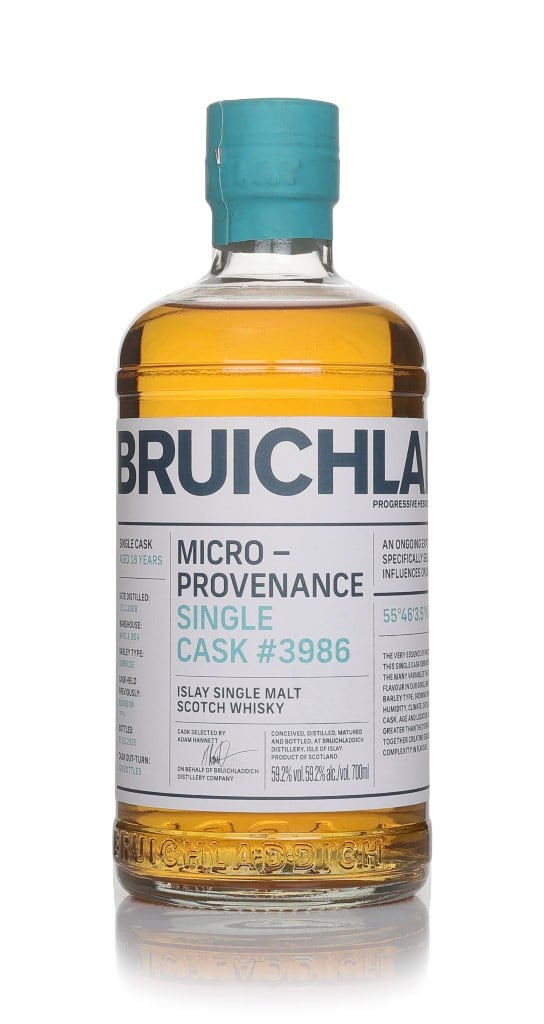
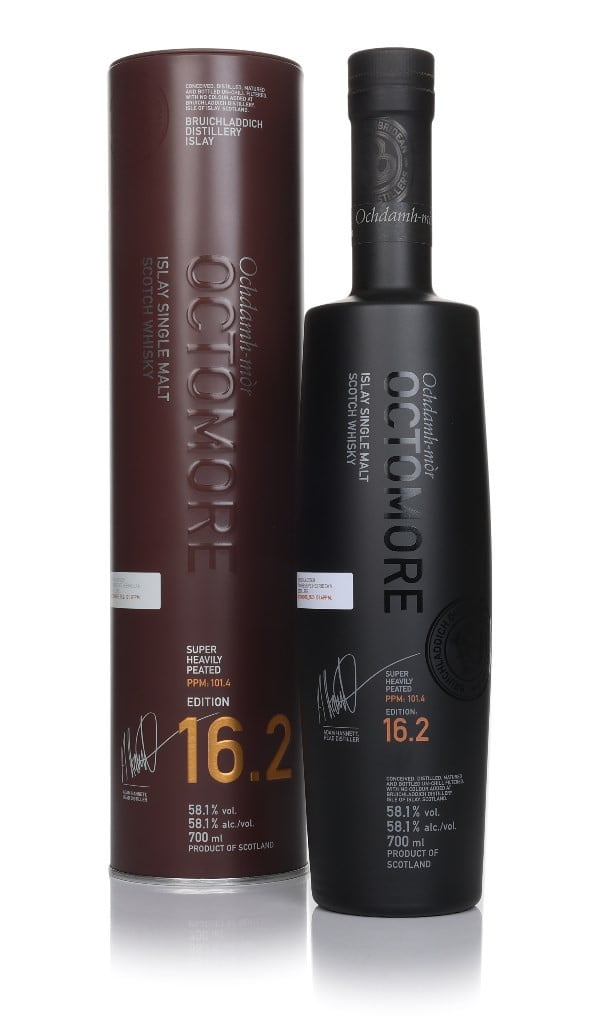
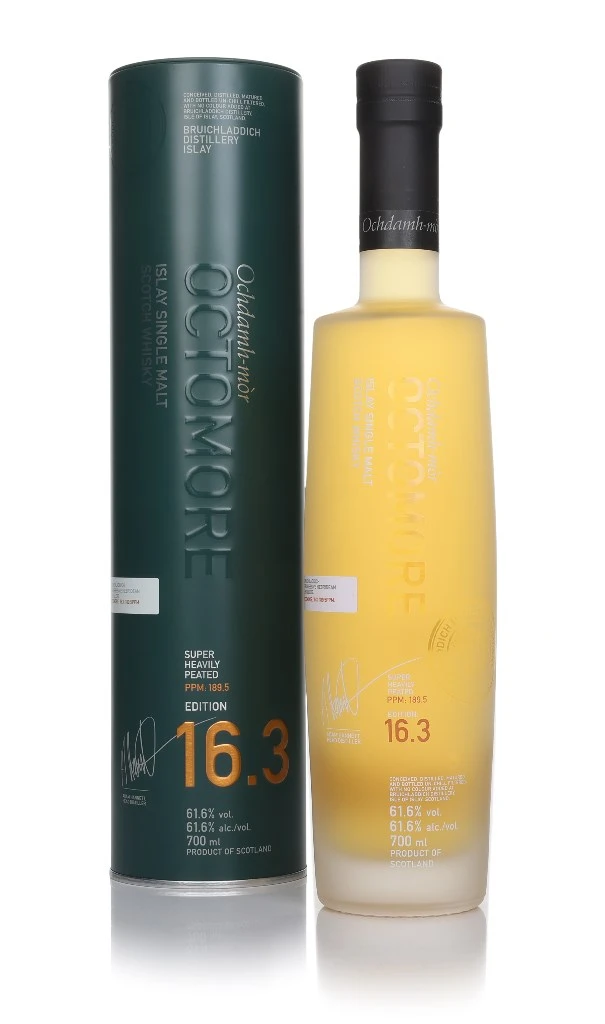
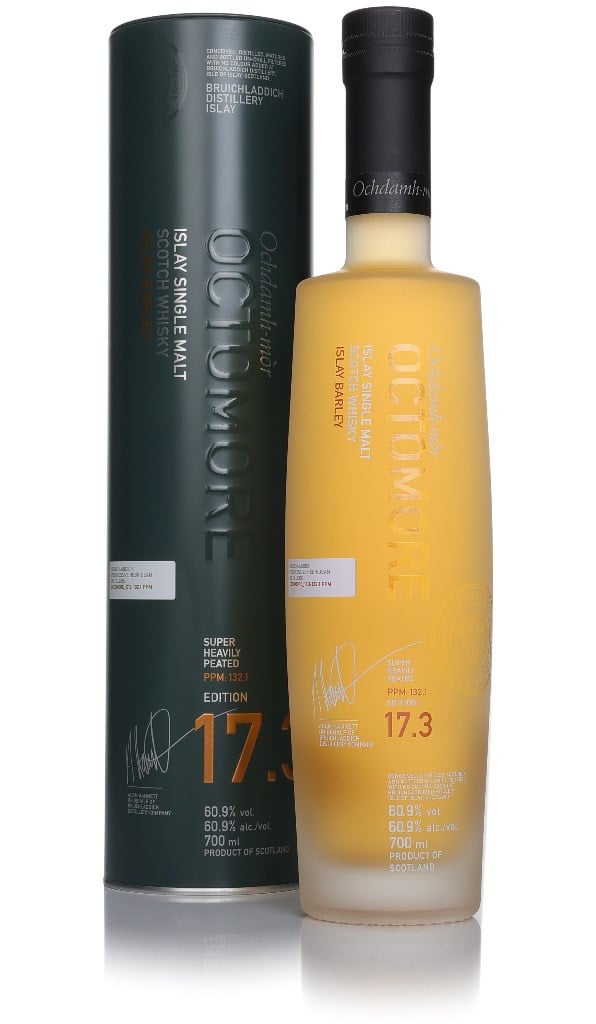

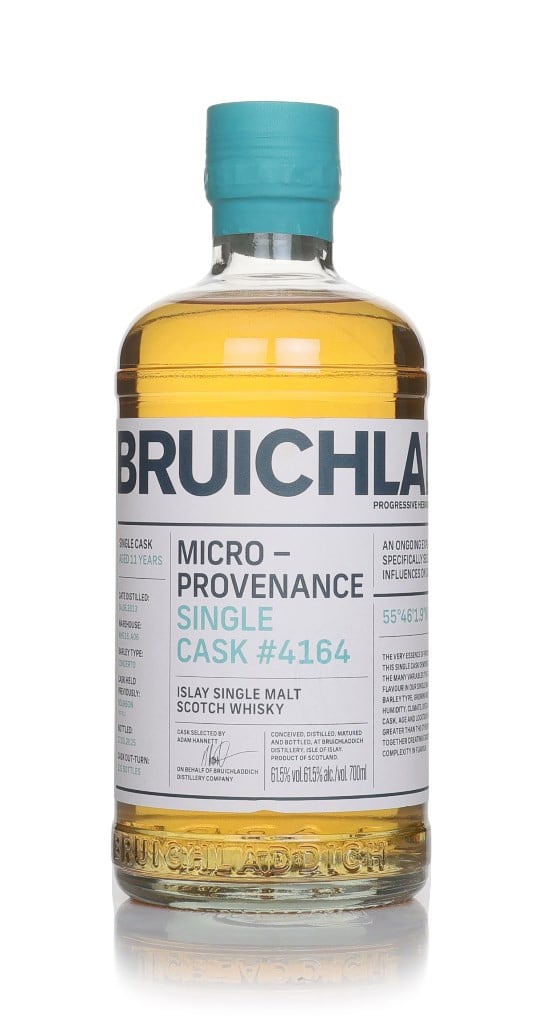
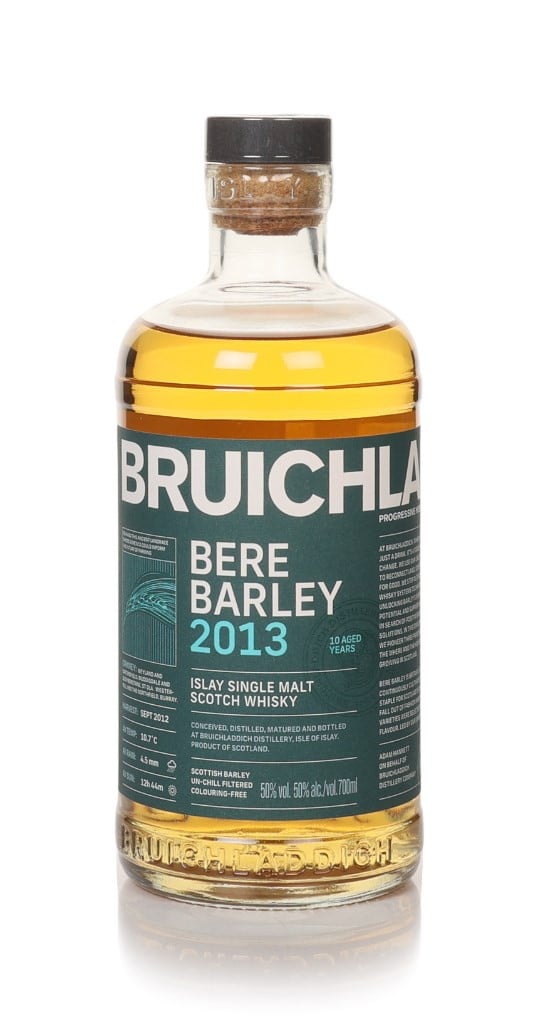
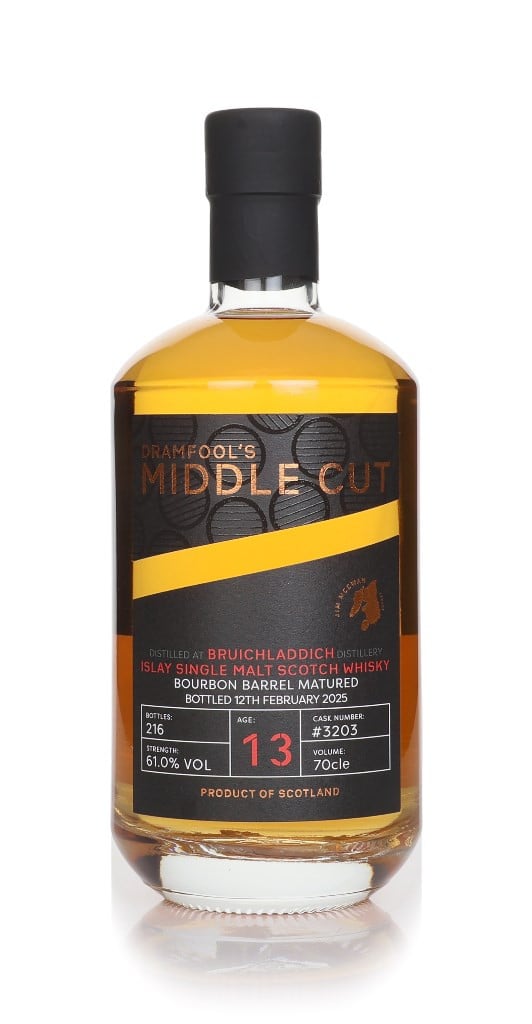
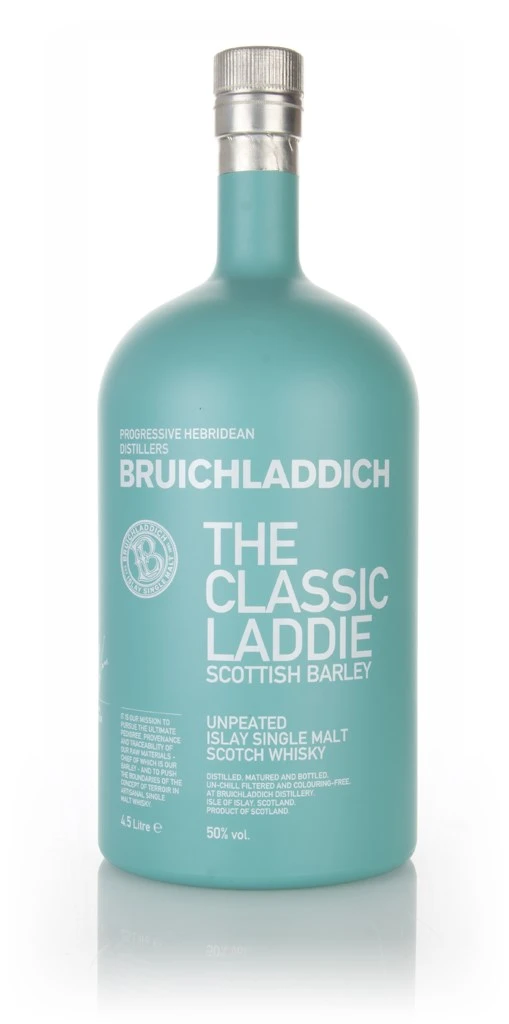
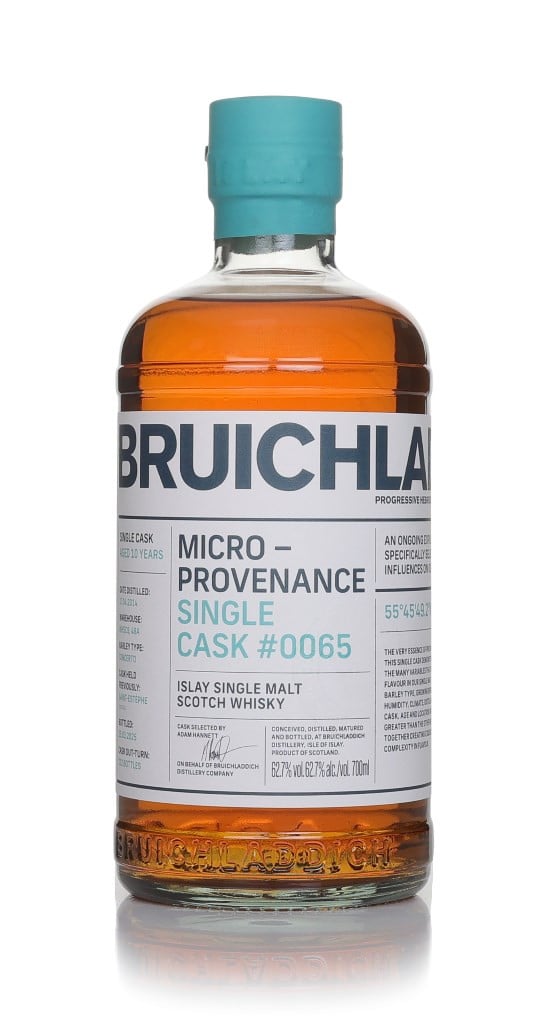
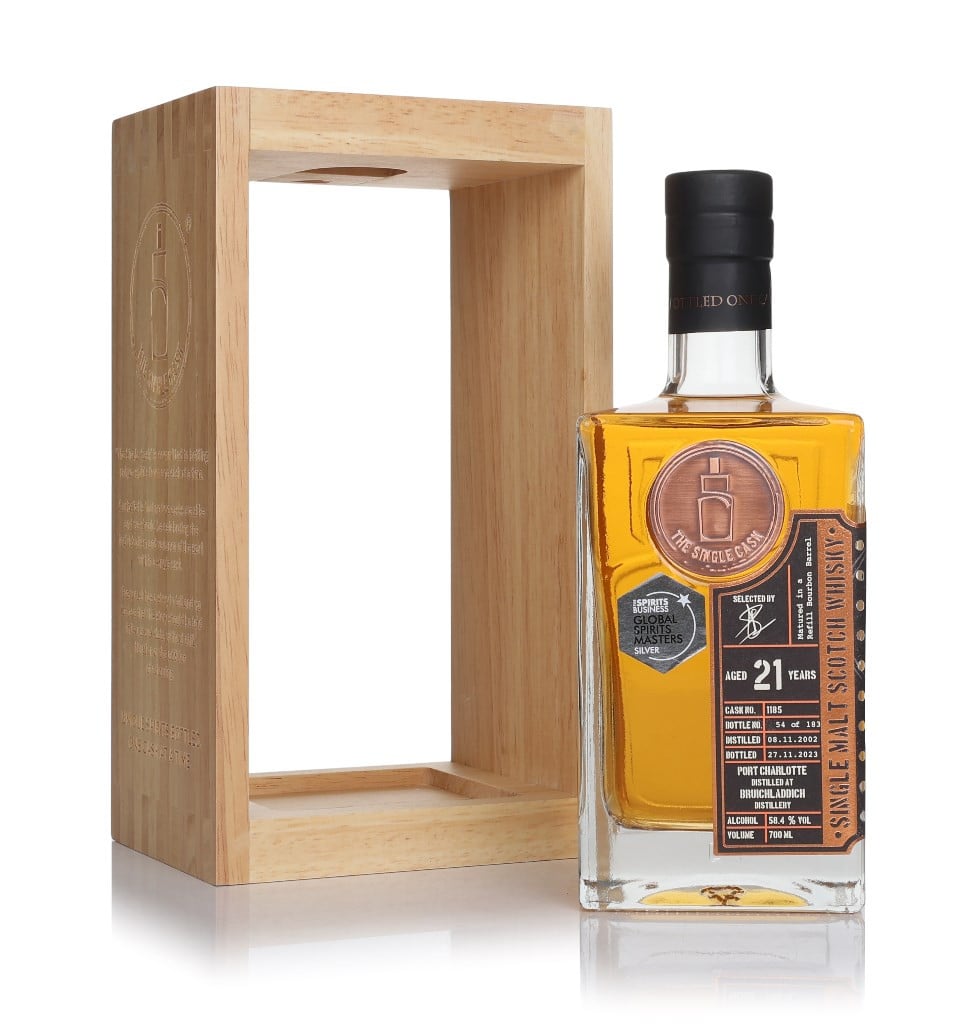
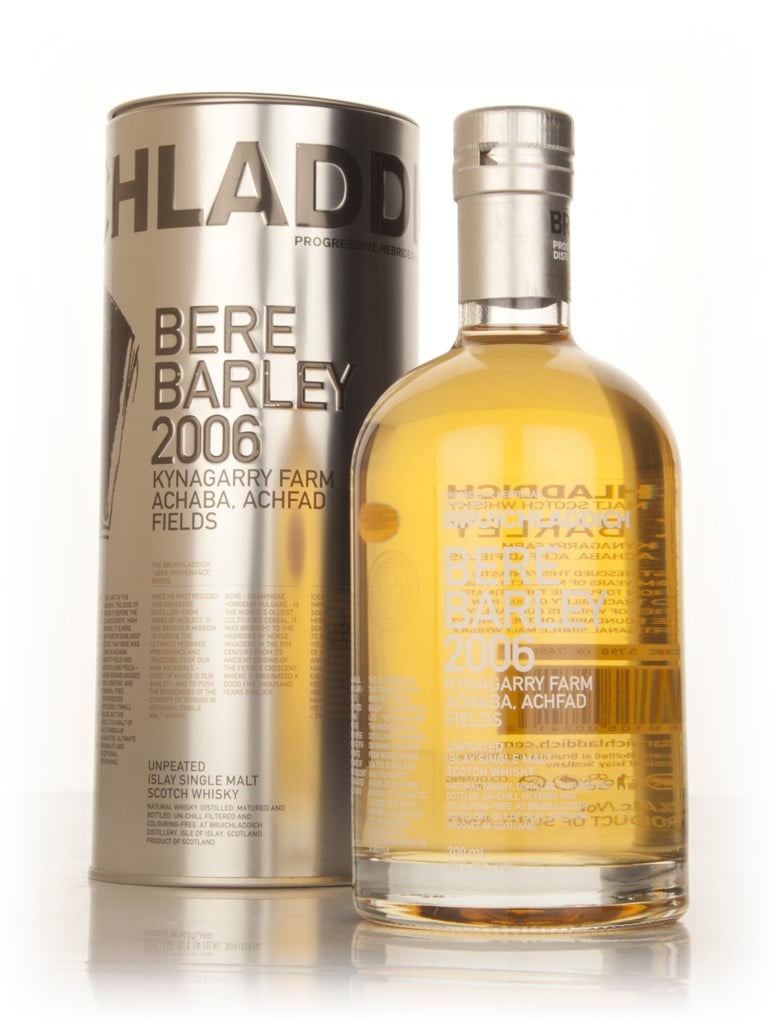
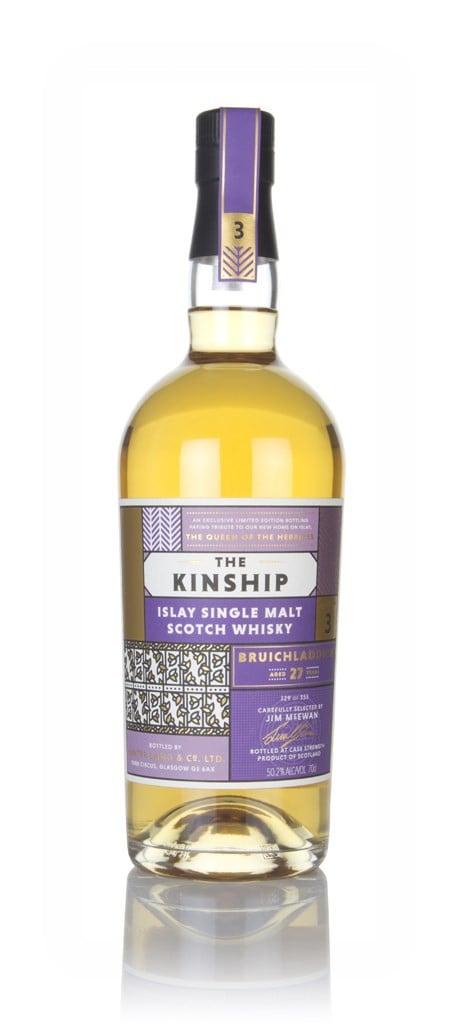
Bruichladdich Whisky
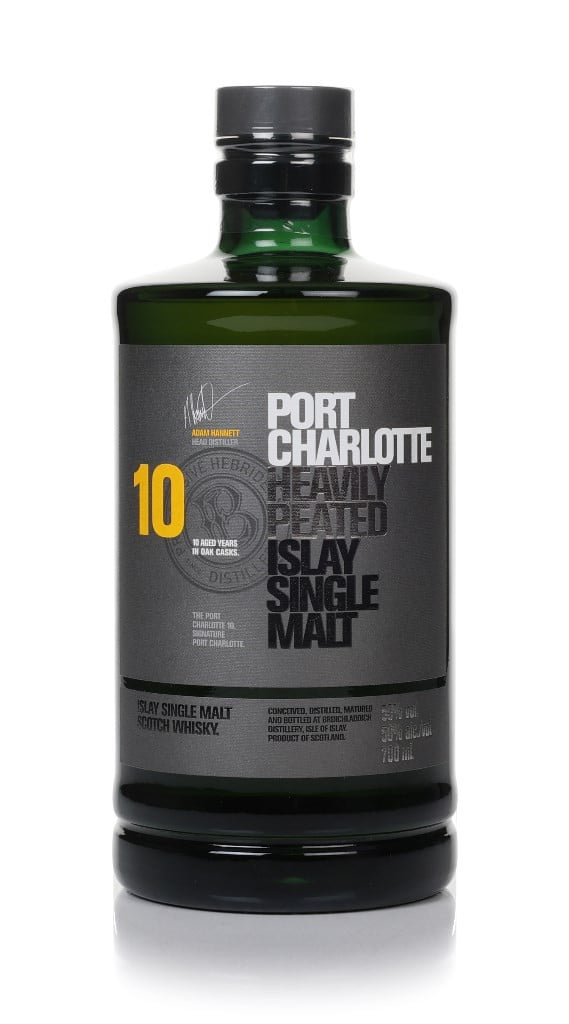
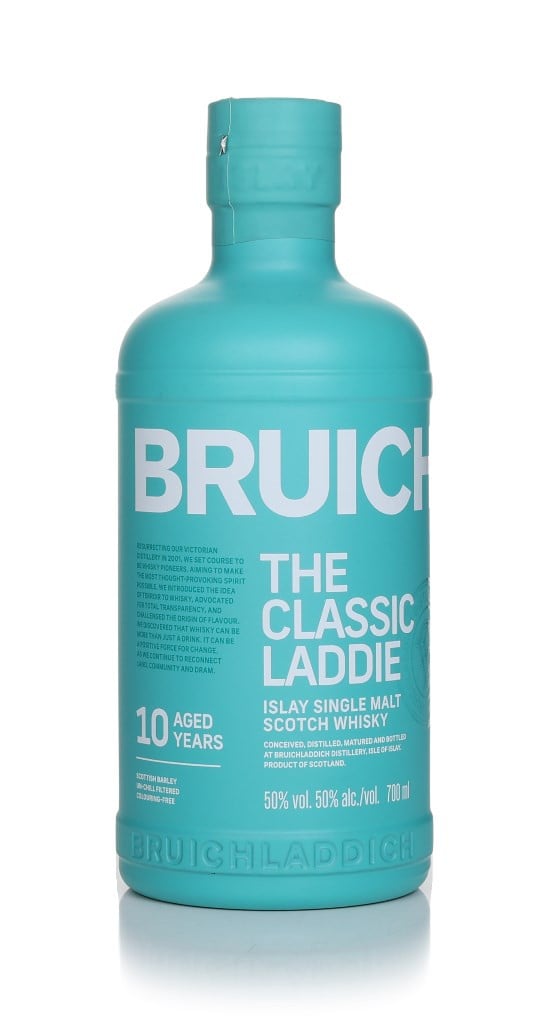
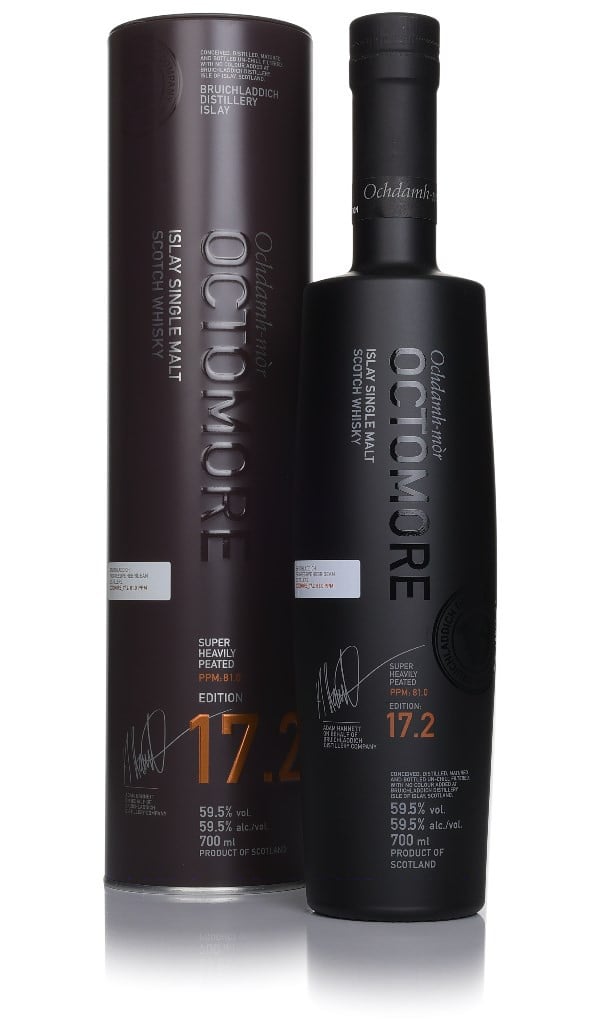
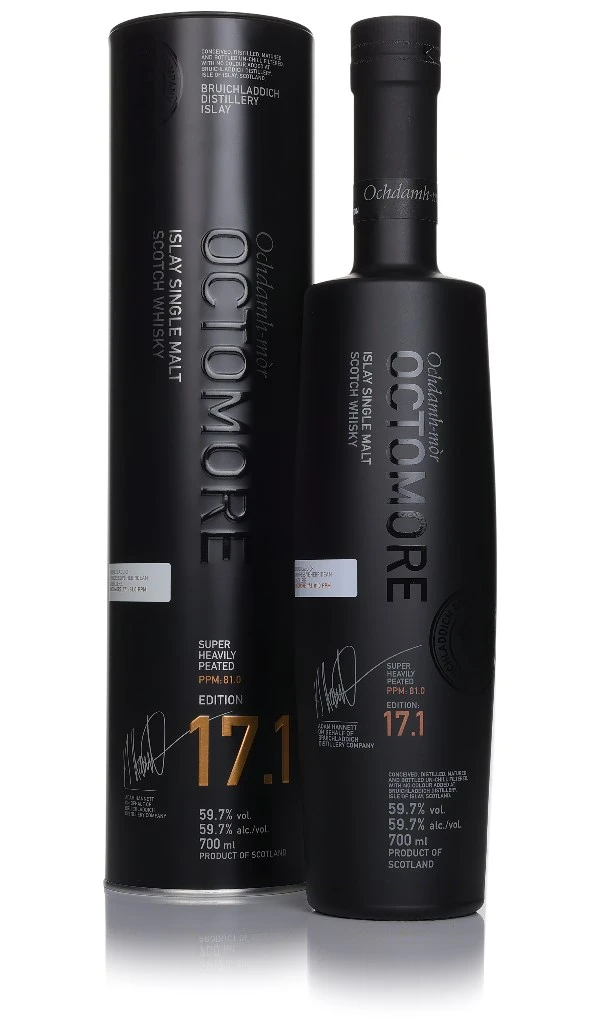
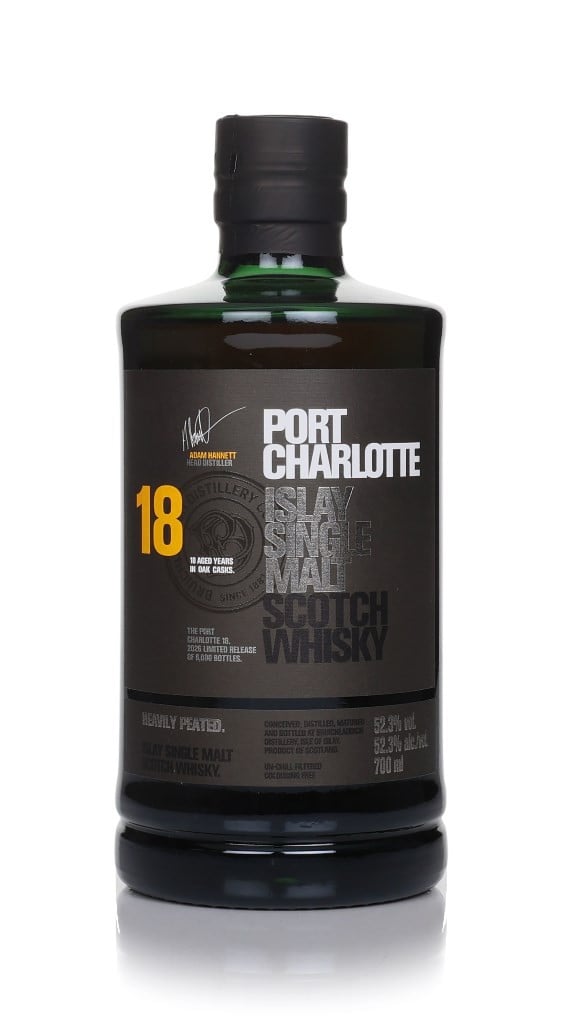
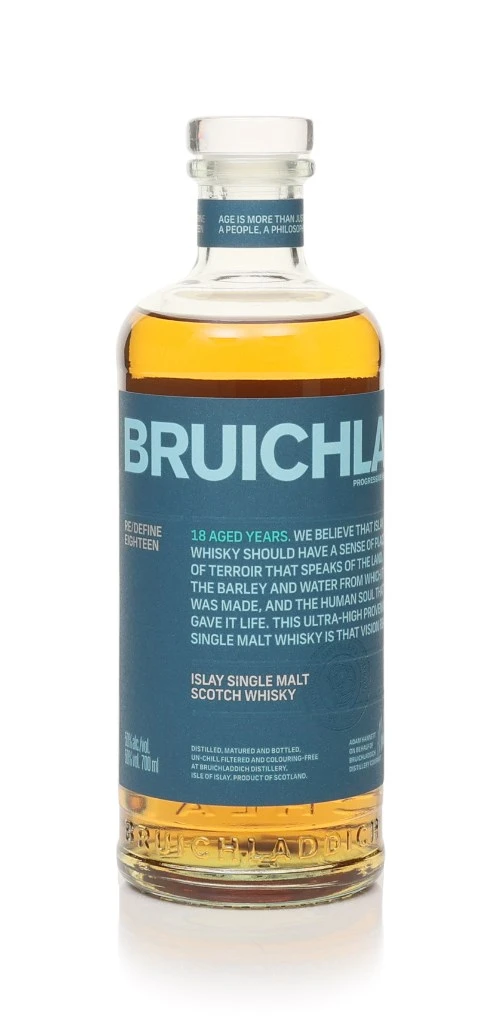
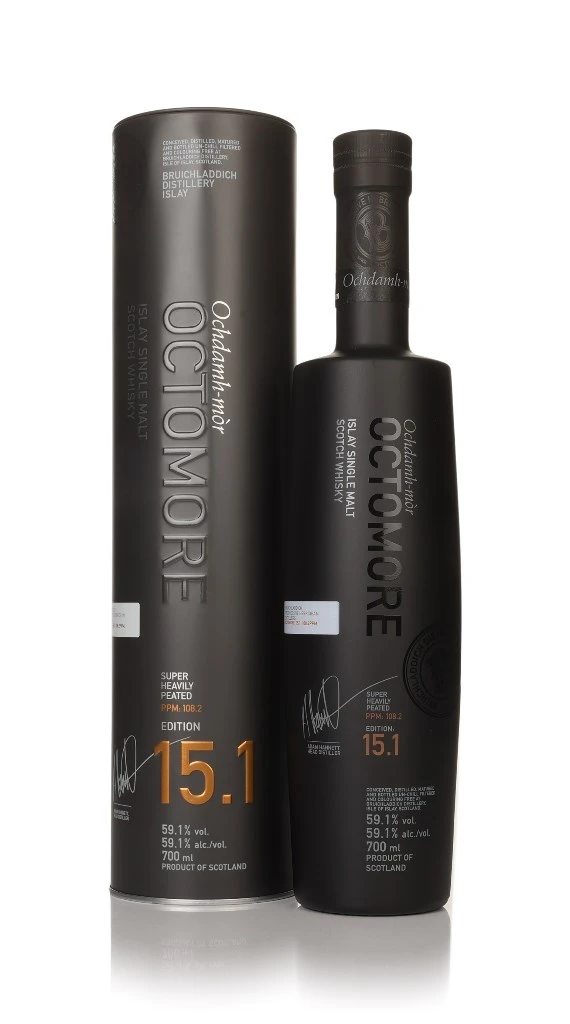
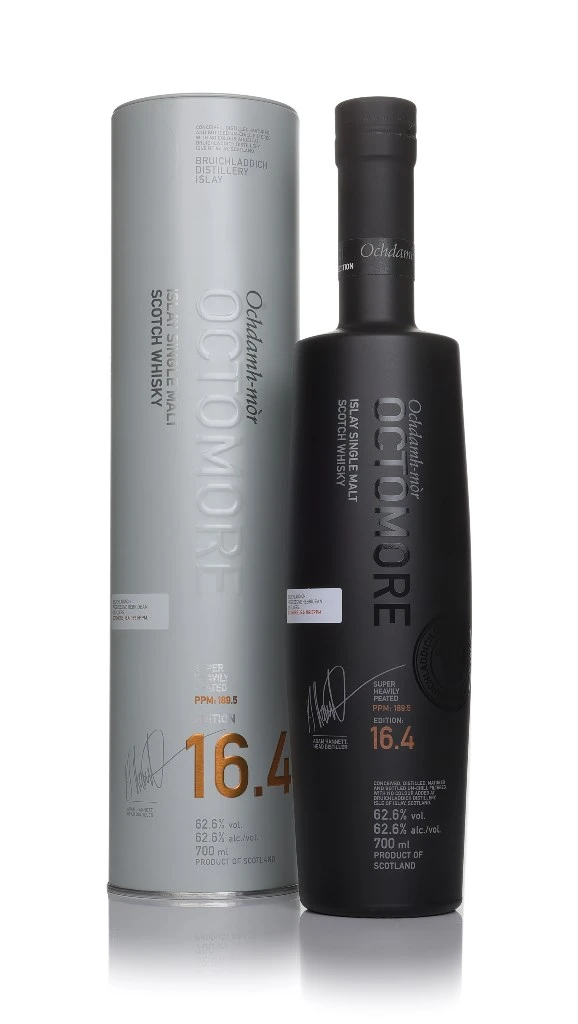
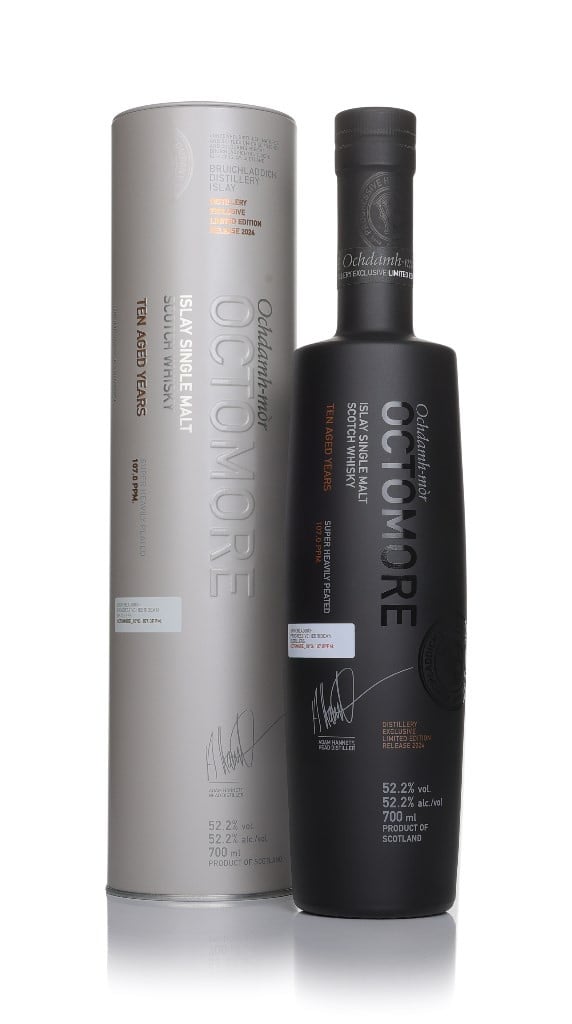
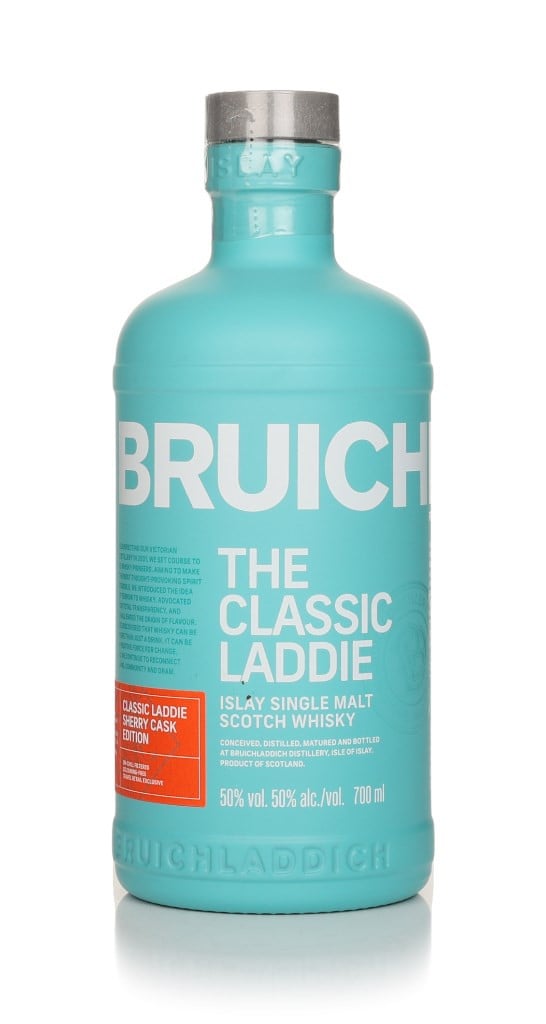
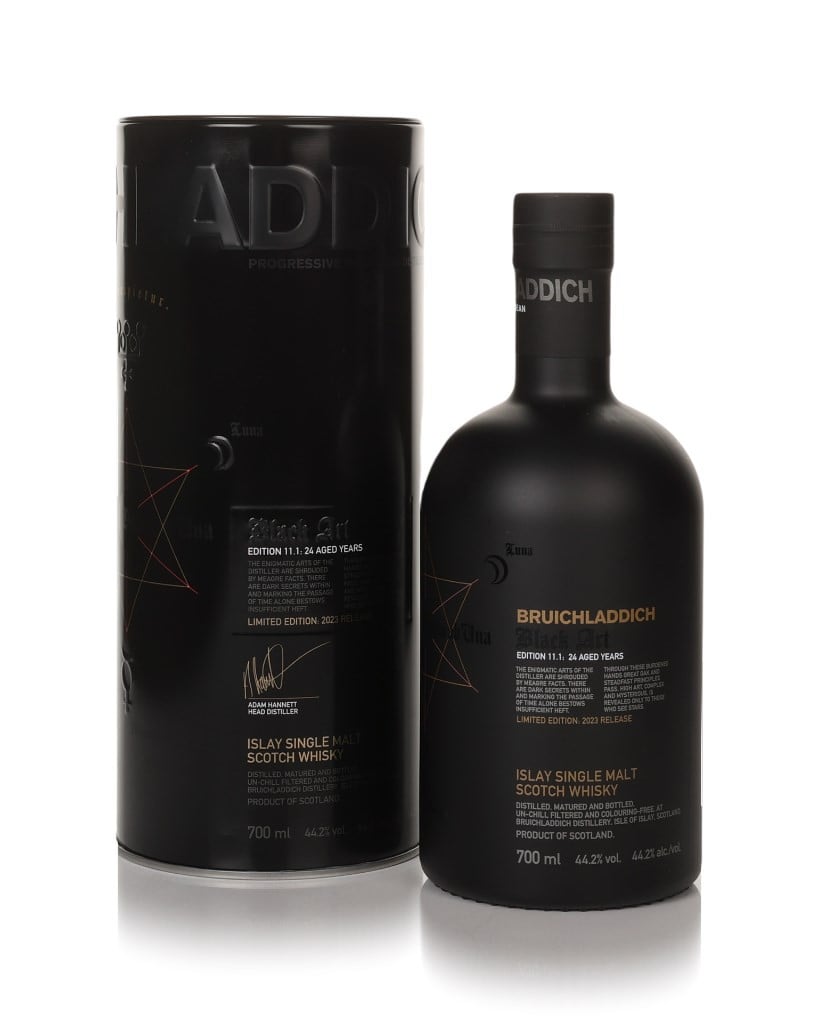
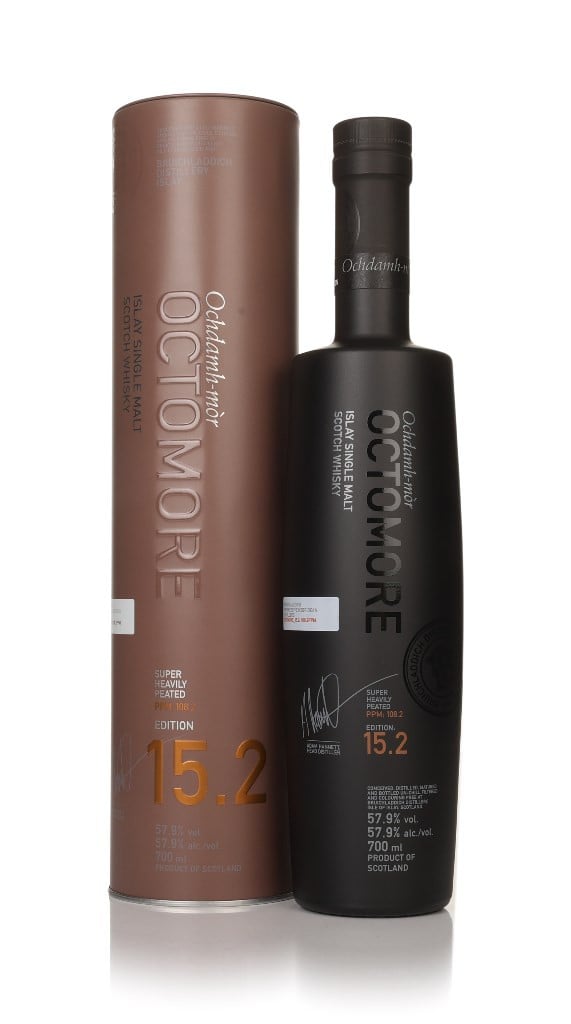
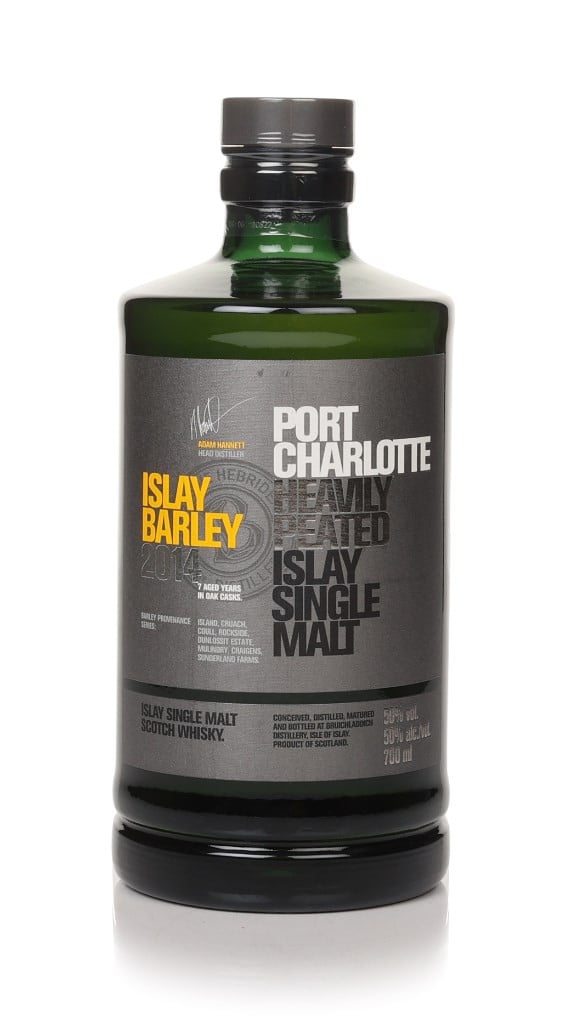
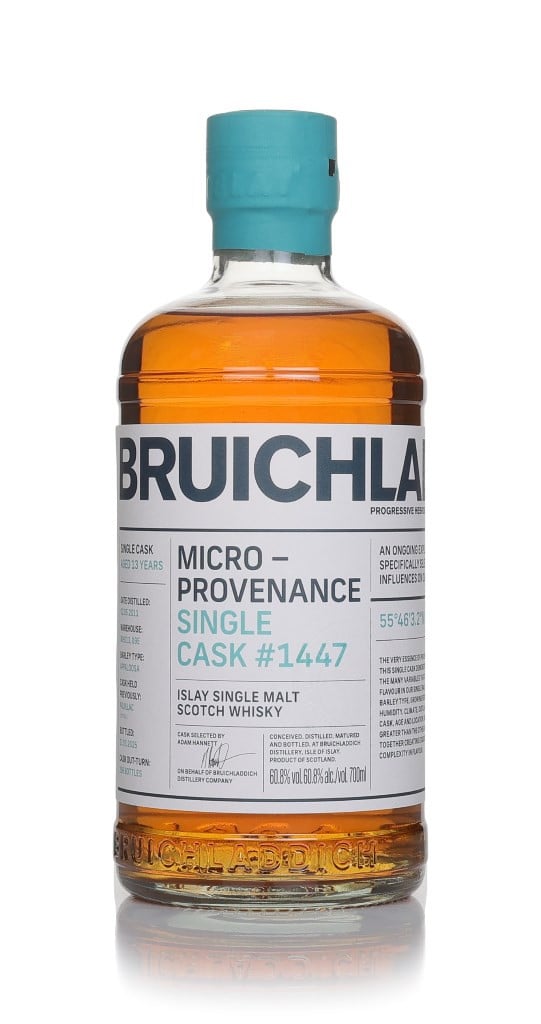
Bruichladdich was built by Barnett Harvey in 1881. Five years later, the Bruichladdich Distillery Company was founded and renovation and refurbishment commenced. The ‘Laddie’, as it is affectionately known, is often considered to be the fruitiest, most inventive Islay malt and, indeed, there has been some contention as to whether it has truly attained Islay-status. Bruichladdich countered this with the introduction of the Port Charlotte range and later with the 2008-released Octomore, the world’s most heavily peated whisky with a phenol content of 131ppm. Then the distillery went almost the complete opposite direction and created The Botanist Gin!
The gentle character of the spirit is attributed by some to the milder weather conditions at Bruichladdich's locality, sheltered, as it is, from Mother Nature by the Rhinns, the rugged Islay mountain range. Following the death of the then owner, Barnett’s son William Harvey IV in 1936, the distillery was run by Kenneth Harvey and sold a year later to Joseph Hobbs for the sum of £23,000. Silent for the latter part of the Second World War, Bruichladdich closed its in-house maltings in 1961, bringing malt in from the Islay maltings at Port Ellen. Enjoying good fortunes, further stills were added in 1975 to grapple increasing demand.
Blenders Whyte and Mackay acquired the distillery under Invergordon Distillers in 1993. Just two years later, production ceased and in 2000 the distillery was purchased by Murray McDavid for £6.5m. The former Bowmore manager, Jim McEwan was brought in as Production Director, and in July of 2001 distillation began once more. Today the range is vast; many cask finishes, or 'ACE'd (additional cask enhancement) whiskies, have been released as well as the formerly mentioned peated offerings and, following a few successful years, the ‘Laddie’s’ future looks promising.
The gentle character of the spirit is attributed by some to the milder weather conditions at Bruichladdich's locality, sheltered, as it is, from Mother Nature by the Rhinns, the rugged Islay mountain range. Following the death of the then owner, Barnett’s son William Harvey IV in 1936, the distillery was run by Kenneth Harvey and sold a year later to Joseph Hobbs for the sum of £23,000. Silent for the latter part of the Second World War, Bruichladdich closed its in-house maltings in 1961, bringing malt in from the Islay maltings at Port Ellen. Enjoying good fortunes, further stills were added in 1975 to grapple increasing demand.
Blenders Whyte and Mackay acquired the distillery under Invergordon Distillers in 1993. Just two years later, production ceased and in 2000 the distillery was purchased by Murray McDavid for £6.5m. The former Bowmore manager, Jim McEwan was brought in as Production Director, and in July of 2001 distillation began once more. Today the range is vast; many cask finishes, or 'ACE'd (additional cask enhancement) whiskies, have been released as well as the formerly mentioned peated offerings and, following a few successful years, the ‘Laddie’s’ future looks promising.