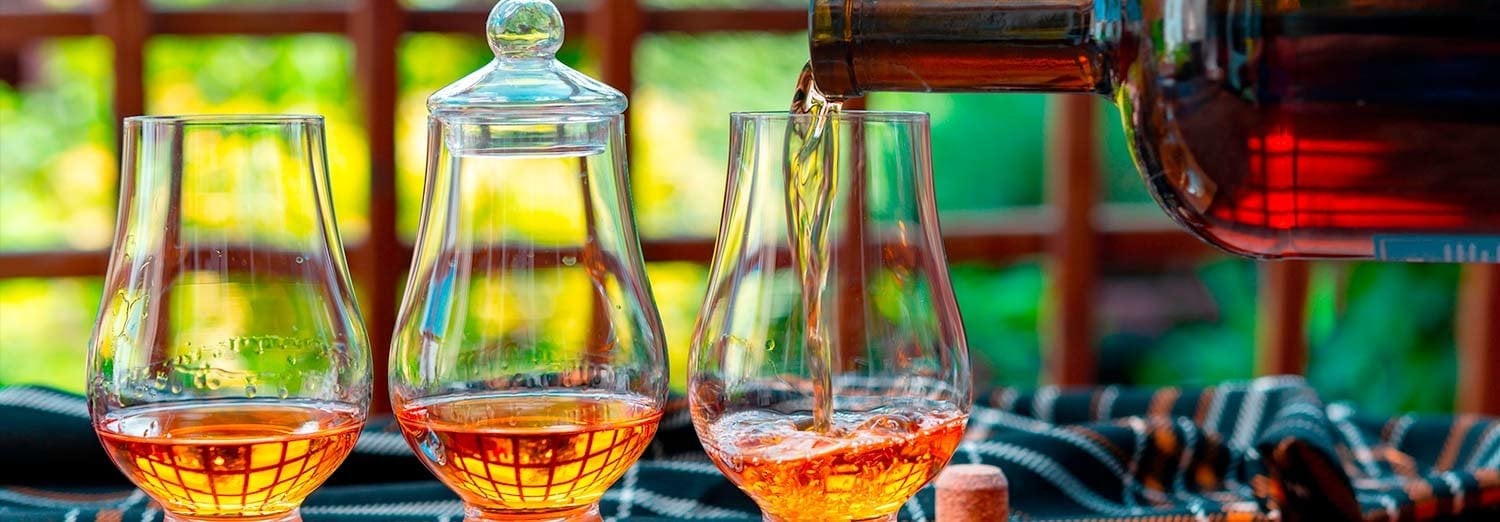
Bourbon
Bourbon whiskey is the most prominent style of whiskey produced in the USA. In the 1700s, Irish and Scottish immigrants came to Kentucky and Tennessee and started making whisky, creating a tradition. Jacob Beam, also known as Jim Beam, was German and started making whiskey in Kentucky in the 1790s. Evan Williams, now owned by Heaven Hill, was Welsh. Not all whiskey makers in Kentucky were from Scotland or Ireland.
The early days of bourbon
There wasn’t much barley about but there was a native crop, corn (maize) and rye too so Americans used these to make their whiskey. Kentucky had good land for growing rye and corn. People there made whiskey from these grains to preserve them and use as money. Cash was scarce on the frontier, so whiskey became a valuable commodity. This basic spirit distilled mainly from corn and rye evolved into what we know as bourbon. No one quite knows the reason for naming America's premier spirit after the French royal family. Some people believe it originated in Bourbon County, Kentucky, named after the French who assisted in overthrowing British rule. While others say it originated from Bourbon Street in New Orleans, a major port that shipped whiskey.
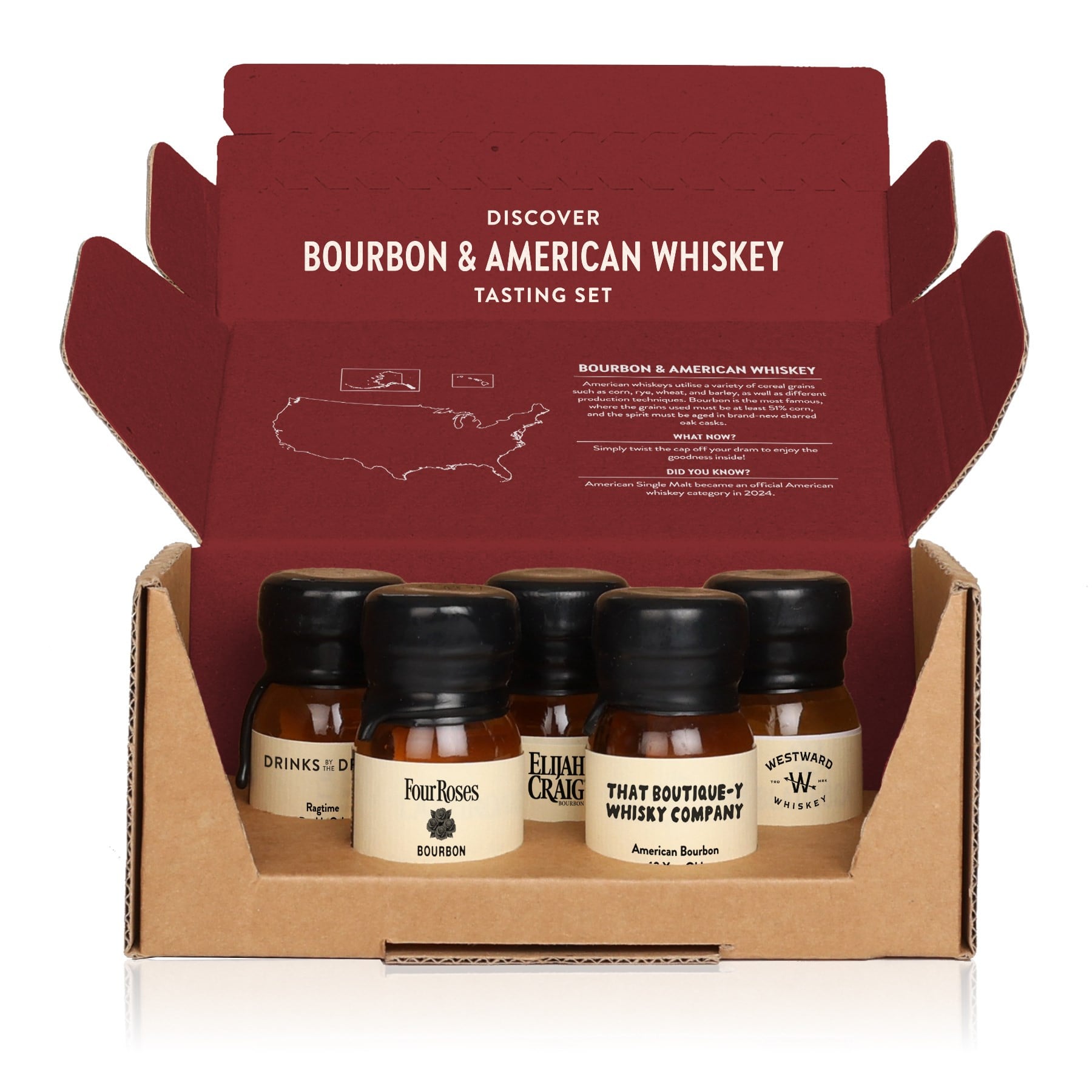
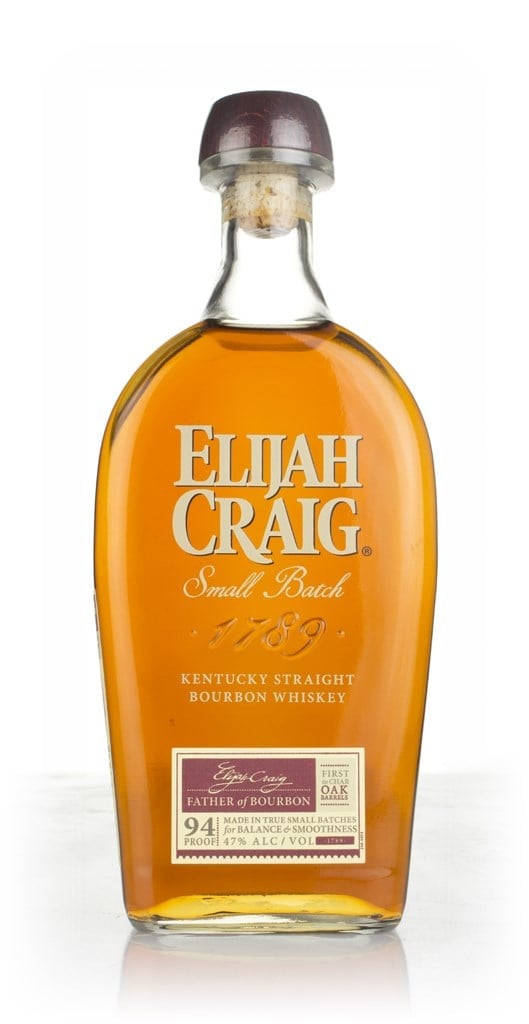
In the 19th century, Kentucky and Tennessee had a successful industry making spirits from corn, rye, and wheat. One of the first whiskey makers was Reverend Elijah Craig (1743-1808), whose name is still on whiskey bottles today. These ‘whiskeys’ would have almost certainly been drunk young with no or minimal wood ageing.
They noticed that the spirit had aged well in the cask during the trip to New Orleans on the Ohio river. This led to a preference for a more mature style. This started to replace imported spirits like Cognac in early cocktails such as the Old Fashioned and Sazerac.
The sour mash process In 1834 a Scottish chemist called James Crow invented the sour mash process. Or it might be better to say, he perfected and explained the process as it was probably something that some distillers were doing before. In the sour mash process, we add a bit of the last ferment to the next one to start it. This is similar to sourdough bread. The result is whiskey, which tastes even better. The result is whiskey, which is even better. This makes the fermentation more acidic, making it difficult for bacteria to survive, reducing the chances of spoilage. The sour mash process meant getting a consistent ferment every time.
The authors of old cocktail books from the ‘40s and early ‘50s, like Bernard de Voto’s The Hour lament the lack of good aged American whiskey at the time. It wasn’t easy to get hold of. But as the industry built up stocks, bourbon boomed in ‘50 and ‘60s America as the country itself prospered after the war. This was the Mad Men era of Old Fashioneds and long lunches. What is and isn’t bourbon was still very loosely regulated until 4 May 1964 when the United States Congress passed a resolution stating that “Bourbon Whiskey is a Distinctive Product of the United States and is unlike other types of alcoholic beverages, whether foreign or domestic.” It also set out that bourbon had to be made from a minimum of 51% corn and, here’s the really important bit, aged in charred new oak barrels at 125 proof (62.5% ABV) or less. Before that, bourbon might be aged in used casks. What it didn’t specify is exactly how long the liquid had to spend in oak, something we’ll come on to shortly.
But by the ‘70s as younger drinkers turned to wine and vodka, bourbon and its cousin rye whiskey became deeply unfashionable. Distilleries closed and the industry consolidated, only to be revived in the late ‘90s and ‘00s as a new generation of drinkers discovered the joys of dark spirits. Today, there are dozens of young brands, some of which even have their own distillery, and the bourbon’s capital, Louisville, Kentucky is a popular tourist destination.
Bourbon’s chaotic history means that though many old brands have been revived, there’s usually very little link between the pre-Prohibition distillery and the modern product. Furthermore the proliferation of new names without their own aged whiskey means that it’s not always clear what is made from bought-in stock and what has been distilled by the brand. It’s not really a problem as long as you take most bourbon origin stories, new and old, with a healthy pinch of salt. Trust your taste buds.
What is the definition of Bourbon, now?
As per the 1964 ruling, it must be made from 51% corn and aged in new charred American oak barrels. There are other rules, the main ones being that it can’t be distilled to more than 160 proof (80% ABV), it can’t go into barrels higher than 125 proof (62.5% ABV) and it must be bottled at a minimum of 80 proof 40% ABV. As long as it has spent any amount of time in new charred oak barrels, which could be as little as months, then it can be classed as bourbon but to be classed as ‘straight bourbon’, it must spend two years ageing. As EU and UK laws state that whiskey must be aged for a minimum of three years, much of what is classed as whiskey in the US can’t be sold as such here. Finally, here’s the big one: as long as you follow the rules, you can make bourbon anywhere in the US, it doesn’t just have to come from Kentucky.
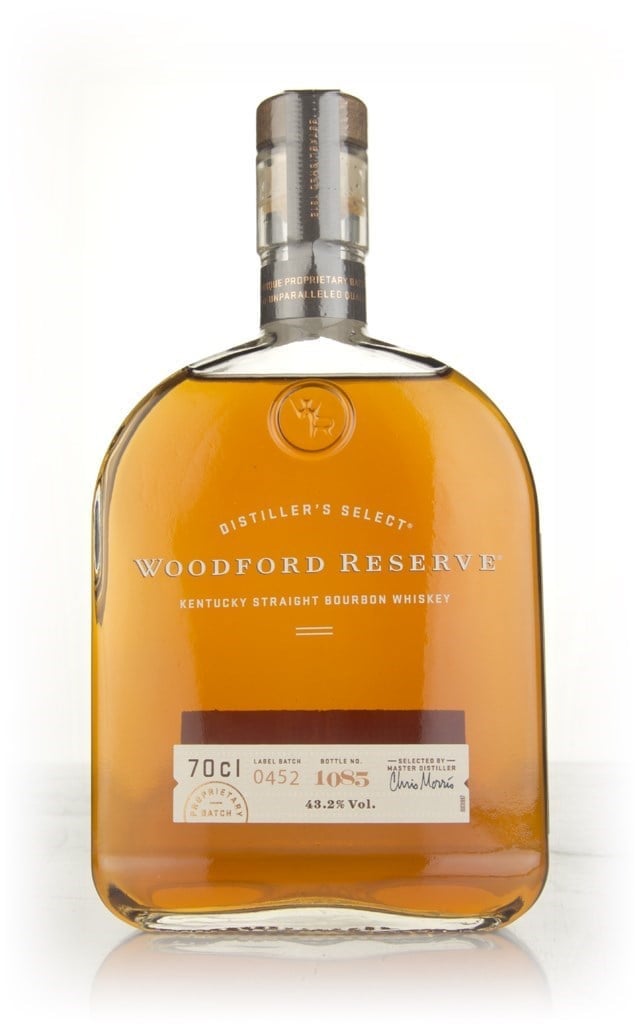
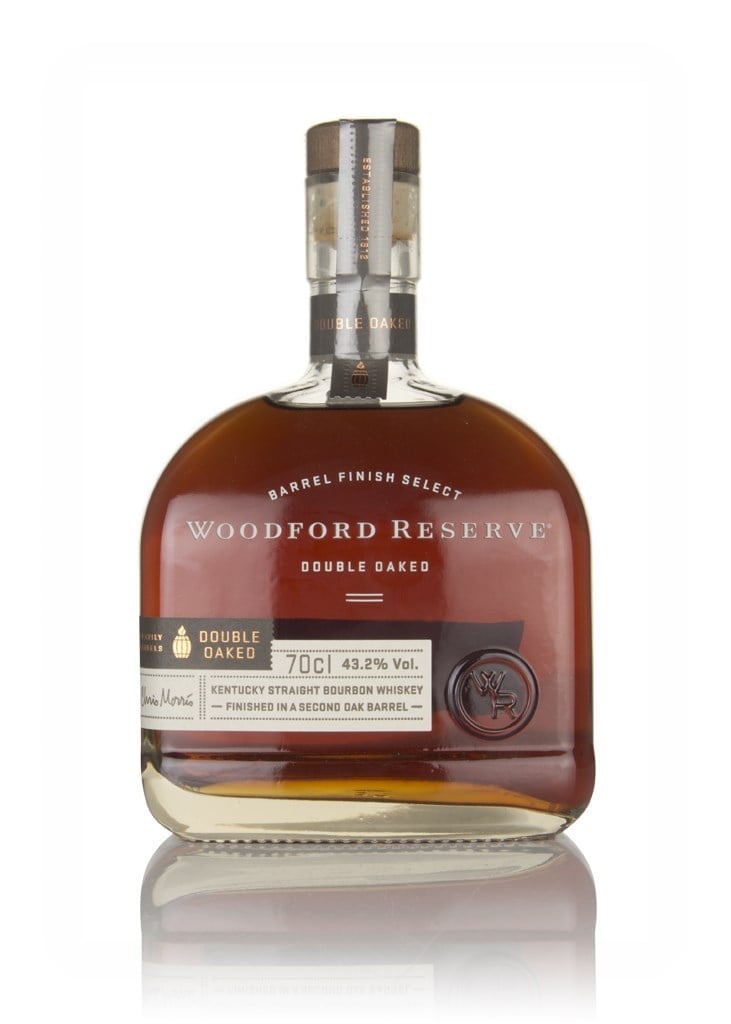
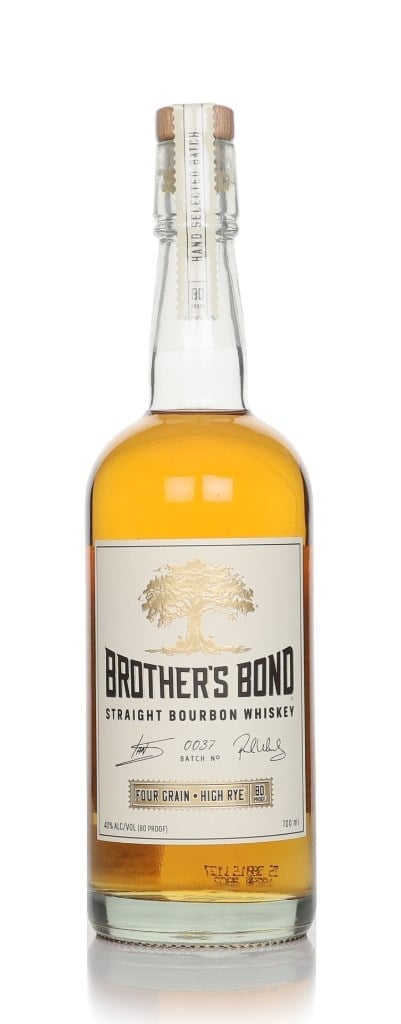
Most bourbon contains rye, wheat and barley as well as corn in varying amounts. Distillers tend to use enzymes to release fermentable sugars from starch, something that is not allowed in Scotland. Column stills are ubiquitous but there are some mavericks like Woodford Reserve that use pot stills. Today, there are many different types of Bourbon. Some are good mixed with Coke or ginger ale, while others are rare and valuable. They sell out quickly when they come to our warehouse. Bourbon’s mixed mashbill means that you get sweet, smooth sippers or high rye examples that are as spicy as hell.
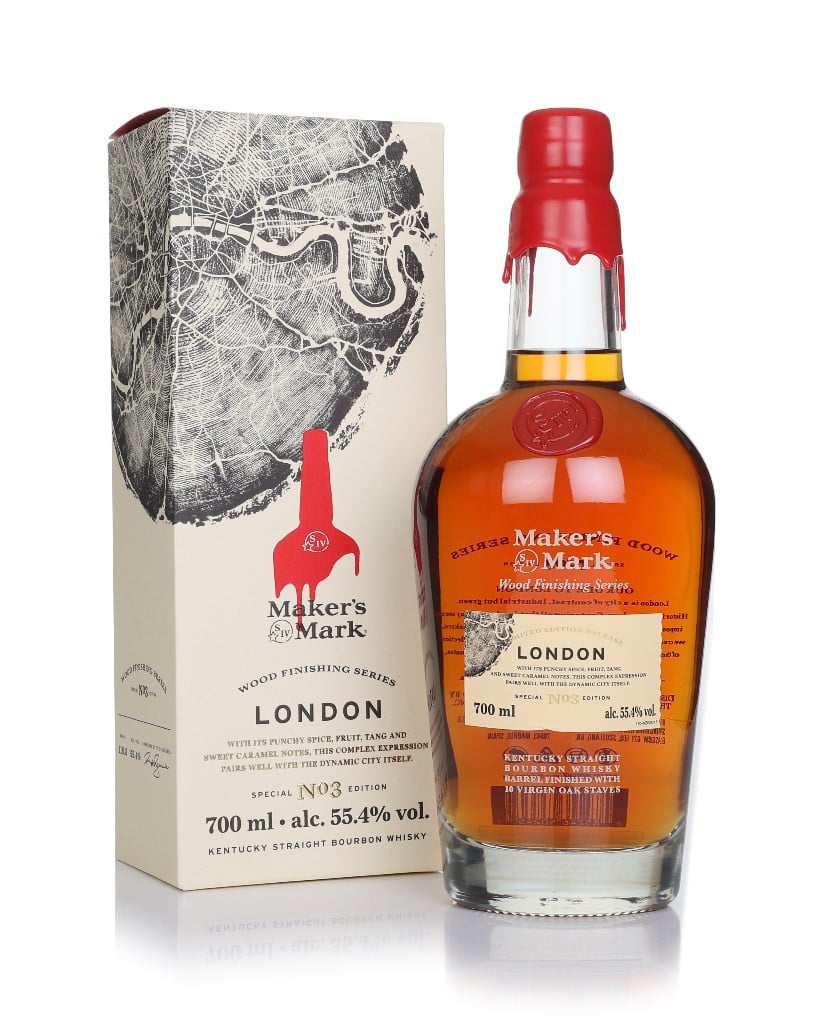
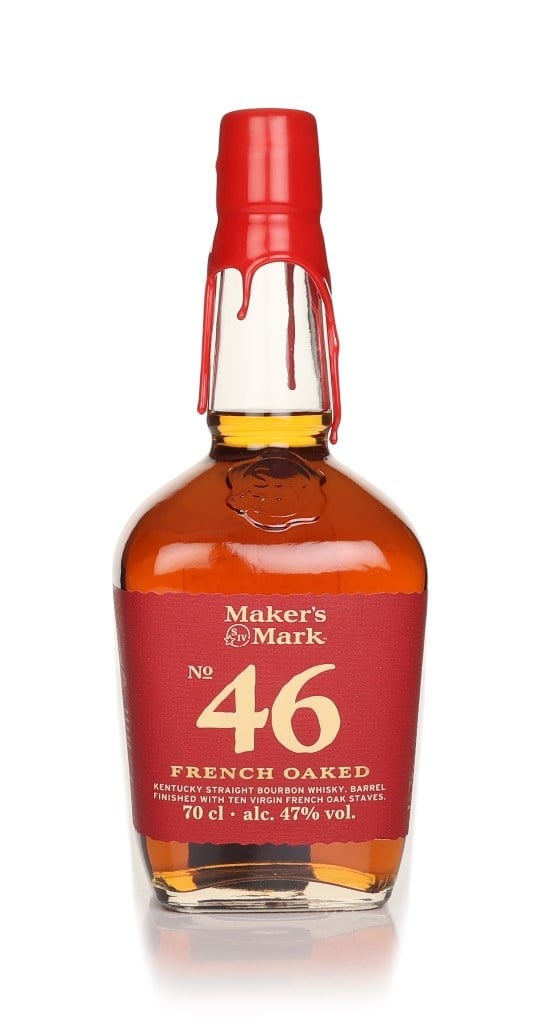
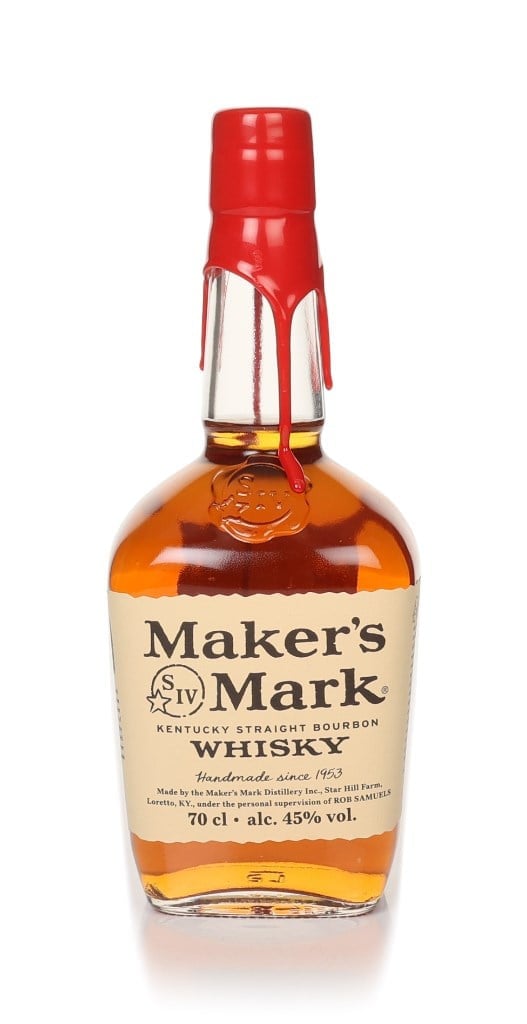
Finally, a word on spelling. In the US, whiskey is typically spelled with an 'e'. However, some producers, such as Maker's Mark and Balcones in Kentucky, spell it 'whisky'. This is just a variation in spelling, so there's no need to worry. Don't worry, it's just a different spelling.
The early days of bourbon
There wasn’t much barley about but there was a native crop, corn (maize) and rye too so Americans used these to make their whiskey. Kentucky had good land for growing rye and corn. People there made whiskey from these grains to preserve them and use as money. Cash was scarce on the frontier, so whiskey became a valuable commodity. This basic spirit distilled mainly from corn and rye evolved into what we know as bourbon. No one quite knows the reason for naming America's premier spirit after the French royal family. Some people believe it originated in Bourbon County, Kentucky, named after the French who assisted in overthrowing British rule. While others say it originated from Bourbon Street in New Orleans, a major port that shipped whiskey.
In the 19th century, Kentucky and Tennessee had a successful industry making spirits from corn, rye, and wheat. One of the first whiskey makers was Reverend Elijah Craig (1743-1808), whose name is still on whiskey bottles today. These ‘whiskeys’ would have almost certainly been drunk young with no or minimal wood ageing.
They noticed that the spirit had aged well in the cask during the trip to New Orleans on the Ohio river. This led to a preference for a more mature style. This started to replace imported spirits like Cognac in early cocktails such as the Old Fashioned and Sazerac.
The sour mash process In 1834 a Scottish chemist called James Crow invented the sour mash process. Or it might be better to say, he perfected and explained the process as it was probably something that some distillers were doing before. In the sour mash process, we add a bit of the last ferment to the next one to start it. This is similar to sourdough bread. The result is whiskey, which tastes even better. The result is whiskey, which is even better. This makes the fermentation more acidic, making it difficult for bacteria to survive, reducing the chances of spoilage. The sour mash process meant getting a consistent ferment every time.
The authors of old cocktail books from the ‘40s and early ‘50s, like Bernard de Voto’s The Hour lament the lack of good aged American whiskey at the time. It wasn’t easy to get hold of. But as the industry built up stocks, bourbon boomed in ‘50 and ‘60s America as the country itself prospered after the war. This was the Mad Men era of Old Fashioneds and long lunches. What is and isn’t bourbon was still very loosely regulated until 4 May 1964 when the United States Congress passed a resolution stating that “Bourbon Whiskey is a Distinctive Product of the United States and is unlike other types of alcoholic beverages, whether foreign or domestic.” It also set out that bourbon had to be made from a minimum of 51% corn and, here’s the really important bit, aged in charred new oak barrels at 125 proof (62.5% ABV) or less. Before that, bourbon might be aged in used casks. What it didn’t specify is exactly how long the liquid had to spend in oak, something we’ll come on to shortly.
But by the ‘70s as younger drinkers turned to wine and vodka, bourbon and its cousin rye whiskey became deeply unfashionable. Distilleries closed and the industry consolidated, only to be revived in the late ‘90s and ‘00s as a new generation of drinkers discovered the joys of dark spirits. Today, there are dozens of young brands, some of which even have their own distillery, and the bourbon’s capital, Louisville, Kentucky is a popular tourist destination.
Bourbon’s chaotic history means that though many old brands have been revived, there’s usually very little link between the pre-Prohibition distillery and the modern product. Furthermore the proliferation of new names without their own aged whiskey means that it’s not always clear what is made from bought-in stock and what has been distilled by the brand. It’s not really a problem as long as you take most bourbon origin stories, new and old, with a healthy pinch of salt. Trust your taste buds.
What is the definition of Bourbon, now?
As per the 1964 ruling, it must be made from 51% corn and aged in new charred American oak barrels. There are other rules, the main ones being that it can’t be distilled to more than 160 proof (80% ABV), it can’t go into barrels higher than 125 proof (62.5% ABV) and it must be bottled at a minimum of 80 proof 40% ABV. As long as it has spent any amount of time in new charred oak barrels, which could be as little as months, then it can be classed as bourbon but to be classed as ‘straight bourbon’, it must spend two years ageing. As EU and UK laws state that whiskey must be aged for a minimum of three years, much of what is classed as whiskey in the US can’t be sold as such here. Finally, here’s the big one: as long as you follow the rules, you can make bourbon anywhere in the US, it doesn’t just have to come from Kentucky.
Most bourbon contains rye, wheat and barley as well as corn in varying amounts. Distillers tend to use enzymes to release fermentable sugars from starch, something that is not allowed in Scotland. Column stills are ubiquitous but there are some mavericks like Woodford Reserve that use pot stills. Today, there are many different types of Bourbon. Some are good mixed with Coke or ginger ale, while others are rare and valuable. They sell out quickly when they come to our warehouse. Bourbon’s mixed mashbill means that you get sweet, smooth sippers or high rye examples that are as spicy as hell.
Finally, a word on spelling. In the US, whiskey is typically spelled with an 'e'. However, some producers, such as Maker's Mark and Balcones in Kentucky, spell it 'whisky'. This is just a variation in spelling, so there's no need to worry. Don't worry, it's just a different spelling.
Popular Brands
See More
No
Yes
Price
Advanced Search
Age in years
All
Bottling year
All
Vintage
All
Alcohol by volume
All
Category
Distillery / Brand
Bottler
Style
User rating
Bottle size
Country
Sort by
Show
Showing 1 - 30 out of 443



...



